





Treatise on the Medicinal Leech – Dr. James Rawlins Johnson, 1816
2022-08-13
https://wellcomecollection.org/works/xze7zcta/items?canvas=22Continue Reading
https://wellcomecollection.org/works/xze7zcta/items?canvas=22Continue Reading

In 1816 Dr. James Rawlins Johnson published his Treatise on the Medicinal Leech. Besides the aforementioned methods of leech use, he studied the leech itself with exacting care. He tested to see if they were cannibals (they were); he froze them with or without salt to see if they would dieContinue Reading
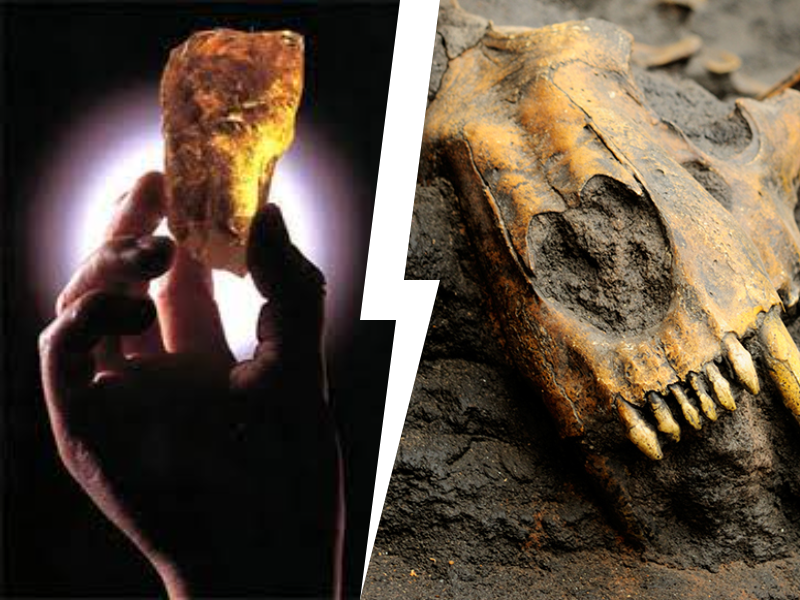
What is Hu Po succinum or amber? When it comes to amber, also known as succinum in Latin and Hu Po in Mandarin, everyone seems know it well that this is a beautiful stone with a variety of colors, such as golden, yellow, orange-red, green, blue, and black. What’s more, among themContinue Reading
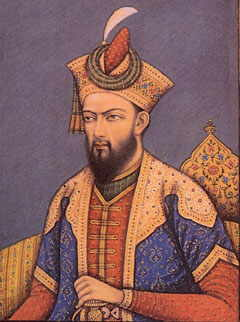
The tale known as “The Poison Dress” or “Embalmed Alive“[1] features a dress that has in some way been poisoned. This is a recurring theme throughout legends and folktales of various cultures, including ancient Greece, Mughal India, and the United States. Although lacking evidence suggesting that some American urban legends are directly linked to the classical tales, they shareContinue Reading
3.2.6.2. Studies on the effect of aspartame administration on xenobiotic metabolising enzymesAn early study (E15, 1972) indicated that the oral administration of aspartame to male Charles River rats (2000-4000 mg/kg) for four days had no acute effect on hepatic cytochrome P450 (CYP)-mediated xenobiotic metabolism, as measured as aminopyrine N-demethylation, p-nitroanisoleContinue Reading
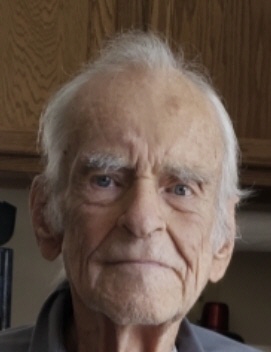
Lead chemist and developer of Aspartame used to make NutraSweet and Equal artificial sweetenersContinue Reading

Norwegian chemical engineer who helped develop aspartame sweetener as a sugar substitute while working for General Foods (1971-85)Continue Reading


Wu S, Yan S, Qi W, Huang R, Cui J, Su R, He Z. Green synthesis of gold nanoparticles using aspartame and their catalytic activity for p-nitrophenol reduction. Nanoscale Res Lett. 2015 May 8;10:213. doi: 10.1186/s11671-015-0910-7. PMID: 25991916; PMCID: PMC4431991. Abstract We demonstrated a facile and environmental-friendly approach to formContinue Reading
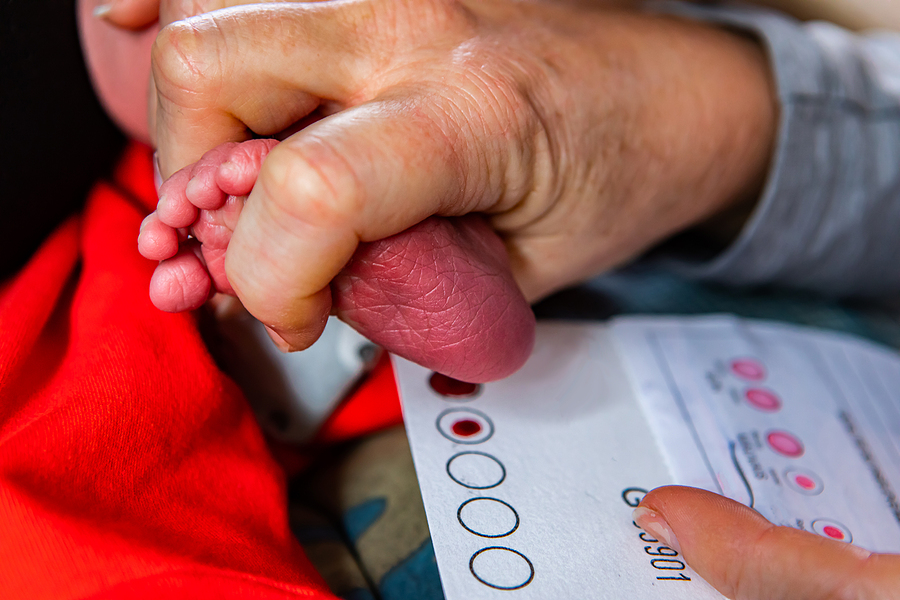
Aspartame is approved for use in food as a nutritive sweetener. Aspartame brand names include Nutrasweet®, Equal®, and Sugar Twin®. It does contain calories, but because it is about 200 times sweeter than table sugar, consumers are likely to use much less of it. FDA approved aspartame in 1981 (46 FR 38283) for uses, under certainContinue Reading
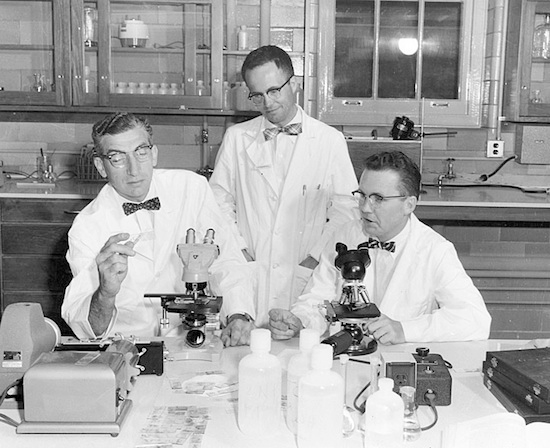
Experimental phenylketonuria can be produced in infant monkeys by feeding excessive quantities of L-phenylalanine soon after birth. Both the phenylketonuric monkey and the phenylketonuric human patient have elevated plasma levels of phenylalanine, and monkey and human excrete almost the same phenylalanine metabolites in the urine. Grand-mal convulsions, observed in someContinue Reading
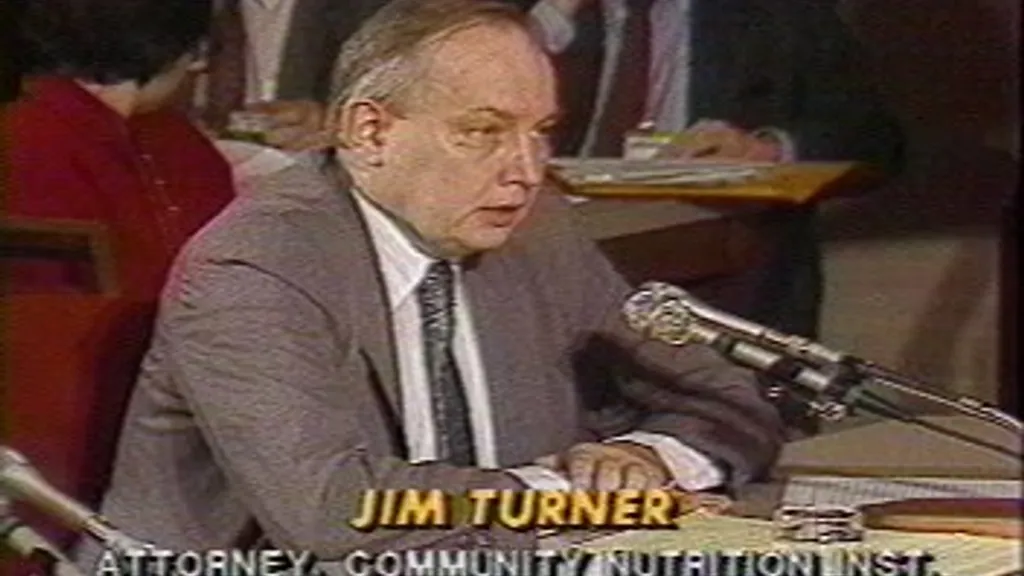
In 2021, Turner was instrumental in forcing the FDA to release its documents on aspartame. At the time of his death, Turner had been preparing a lawsuit to get aspartame banned, using the Delaney Clause, incorporated into the Federal Food, Drug and Cosmetic Act by the Food Additives Amendment of 1958.Continue Reading
