




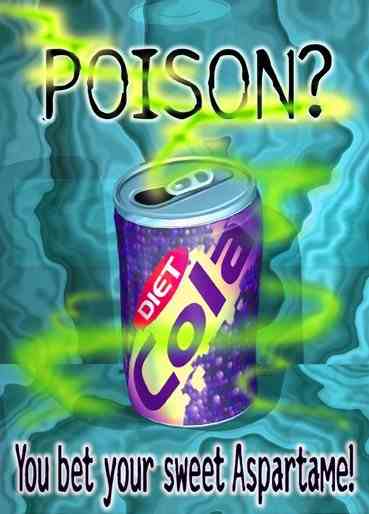
https://www.ncbi.nlm.nih.gov/pmc/articles/PMC8042911/ Abstract Background Aspartame is one of the world’s most widely used artificial sweeteners and is an ingredient in more than 5000 food products globally. A particularly important use is in low-calorie beverages consumed by children and pregnant women. The Ramazzini Institute (RI) reported in 2006 and 2007 that aspartameContinue Reading

NOTES ASPARTAME Under various names, aspartame is an ingredient in tens of thousands of consumables. some researchers suggest it is “by far” the most dangerous food additive. this is a collection of notes and articles concerning aspartame (in no particular order). HISTORY Aspartame was discovered in 1965 by James M.Continue Reading

Human placental lactogen (hPL), also called human chorionic somatomammotropin (HCS), is a polypeptideplacental hormone, the human form of placental lactogen (chorionic somatomammotropin). Its structure and function are similar to those of human growth hormone. It modifies the metabolic state of the mother during pregnancy to facilitate the energy supply of the fetus. hPL has anti-insulin properties. hPL is a hormone secreted by the syncytiotrophoblast duringContinue Reading

Human chorionic gonadotropin (hCG) is a hormone for the maternal recognition of pregnancy produced by trophoblast cells that are surrounding a growing embryo (syncytiotrophoblast initially), which eventually forms the placenta after implantation. Cole LA (2009). “New discoveries on the biology and detection of human chorionic gonadotropin”. Reprod. Biol. Endocrinol. 7: 8. doi:10.1186/1477-7827-7-8. PMC 2649930. PMID 19171054. Gregory JJ, Finlay JL (April 1999). “Alpha-fetoprotein and beta-human chorionicContinue Reading

The prostaglandins (PG) are a group of physiologically active lipid compounds called eicosanoids  “Eicosanoid Synthesis and Metabolism: Prostaglandins, Thromboxanes, Leukotrienes, Lipoxins”. themedicalbiochemistrypage.org. Retrieved 2018-09-21.  having diverse hormone-like effects in animals. Prostaglandins have been found in almost every tissue in humans and other animals. They are derived enzymatically from the fatty acid arachidonic acid. Ricciotti E, FitzGerald GA (May 2011). “Prostaglandins and inflammation”. Arteriosclerosis, Thrombosis, and Vascular Biology. 31 (5): 986–1000. doi:10.1161/ATVBAHA.110.207449. PMC 3081099. PMID 21508345.Continue Reading

Siderophores (Greek: “iron carrier”) are small, high-affinity iron-chelating compounds that are secreted by microorganisms such as bacteria and fungi. They help the organism accumulate iron. Although a widening range of siderophore functions is now being appreciated. Siderophores are among the strongest (highest affinity) Fe3+ binding agents known. Phytosiderophores are siderophores produced by plants.Continue Reading

A scanning electron microscope image of a gold nugget, revealing bacterioform (bacteria-shaped) structures

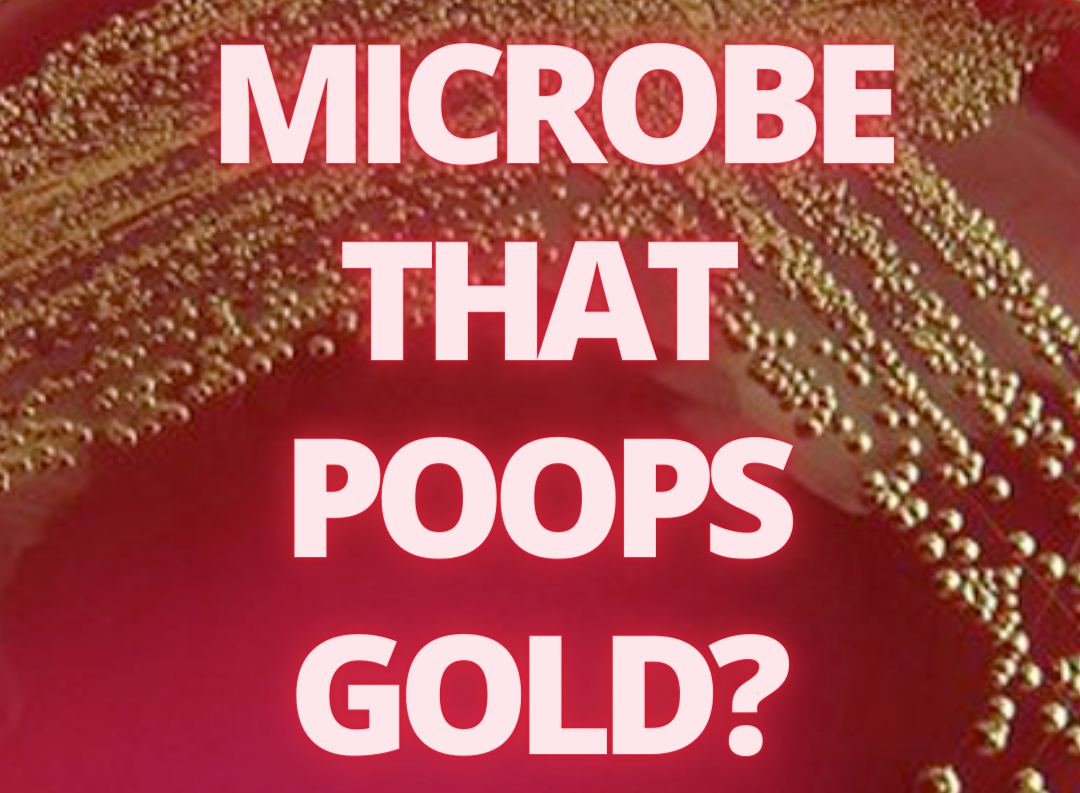
C. metallidurans plays a vital role, together with Delftia acidovorans, in the formation of gold nuggets. It precipitates metallic gold from a solution of gold(III) chloride, a compound highly toxic to most other microorganisms.Continue Reading