
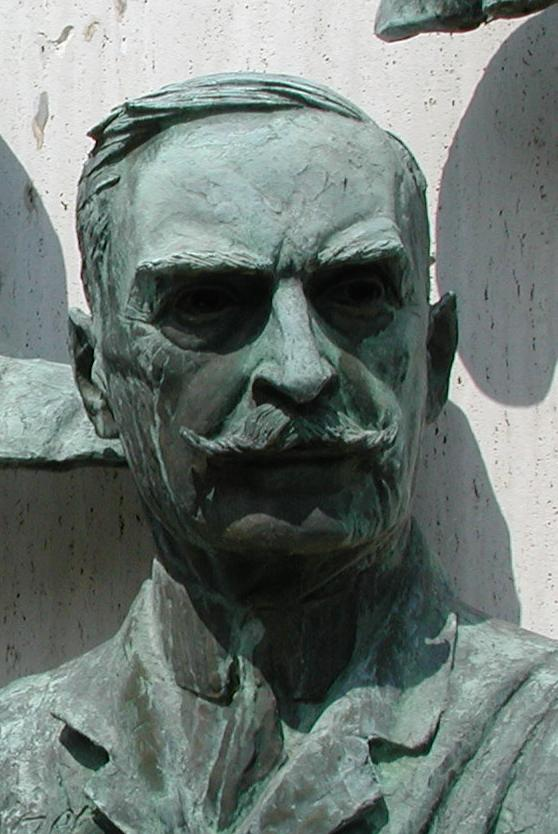
Karl Landsteiner – discovered poliovirus, the rhesus factor, described as the father of transfusion medicine
Karl Landsteiner ForMemRS (14 June 1868 – 26 June 1943) was an Austrian-born American biologist, physician, and immunologist. He distinguished the main blood groups in 1900, having developed the modern system of classification of blood groups from…
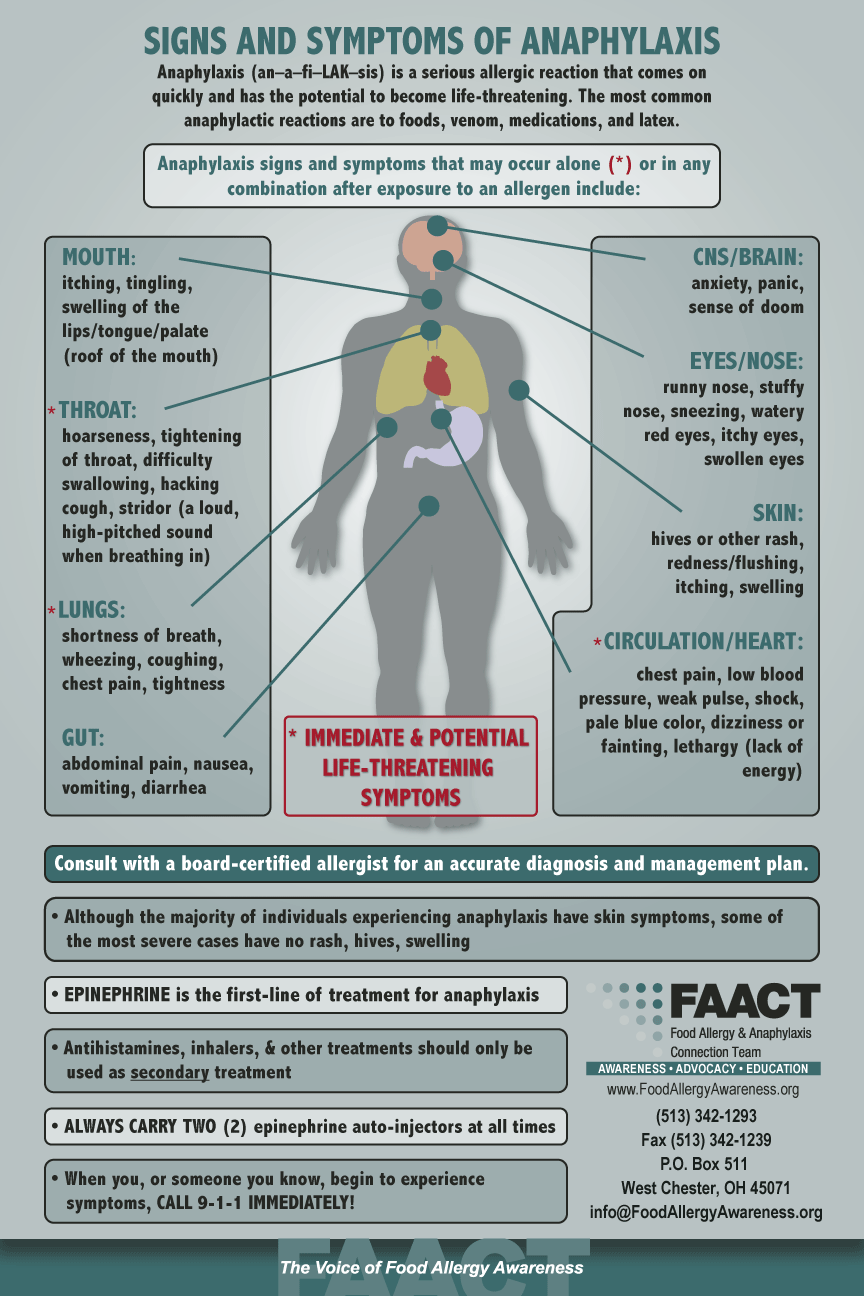
Allergolical (or allergological) syndrome that can show itself clinically with expressions of both respiratory allergy and alimentary allergy
Tabar AI, Acero S, Arregui C, Urdánoz M, Quirce S. Asma y alergia por el colorante carmín [Asthma and allergy due to carmine dye]. An Sist Sanit Navar. 2003;26 Suppl…
The chemical nature of flavokermesic acid
JanWouters∗AndréVerhecken The chemical nature of flavokermesic acid. Tetrahedron Letters Volume 28, Issue 11, 1987, Pages 1199-1202 Received 24 November 1986, Available online 9 March 2001 https://doi.org/10.1016/S0040-4039(00)95325-5 Abstract: Flavokermesic acid, a minor…

Pharmacy (etymology)
pharmacy (n.) late 14c., farmacie, “a medicine that rids the body of an excess of humors (except blood);” also “treatment with medicine; theory of treatment with medicine,” from Old French farmacie “a purgative” (13c.)…
Toxin (etymology)
toxin (n.) “organic poison,” especially one produced by bacteria in an animal body, 1886, from toxic + -in (2). toxic (adj.) 1660s, from French toxique and directly from Late Latin toxicus “poisoned,” from Latin toxicum “poison,” from Greek toxikon (pharmakon) “(poison) for use on…
Sugar-coat (etymology)
also sugarcoat, 1870, originally of medicine; figuratively, “make more palatable,” from 1910; from sugar (n.) + coat (v.). Related: Sugarcoated; sugarcoating. sugar (n.) late 13c., sugre, from Old French sucre “sugar” (12c.), from Medieval Latin succarum, from Arabic sukkar, from Persian shakar, from Sanskrit sharkara “ground…
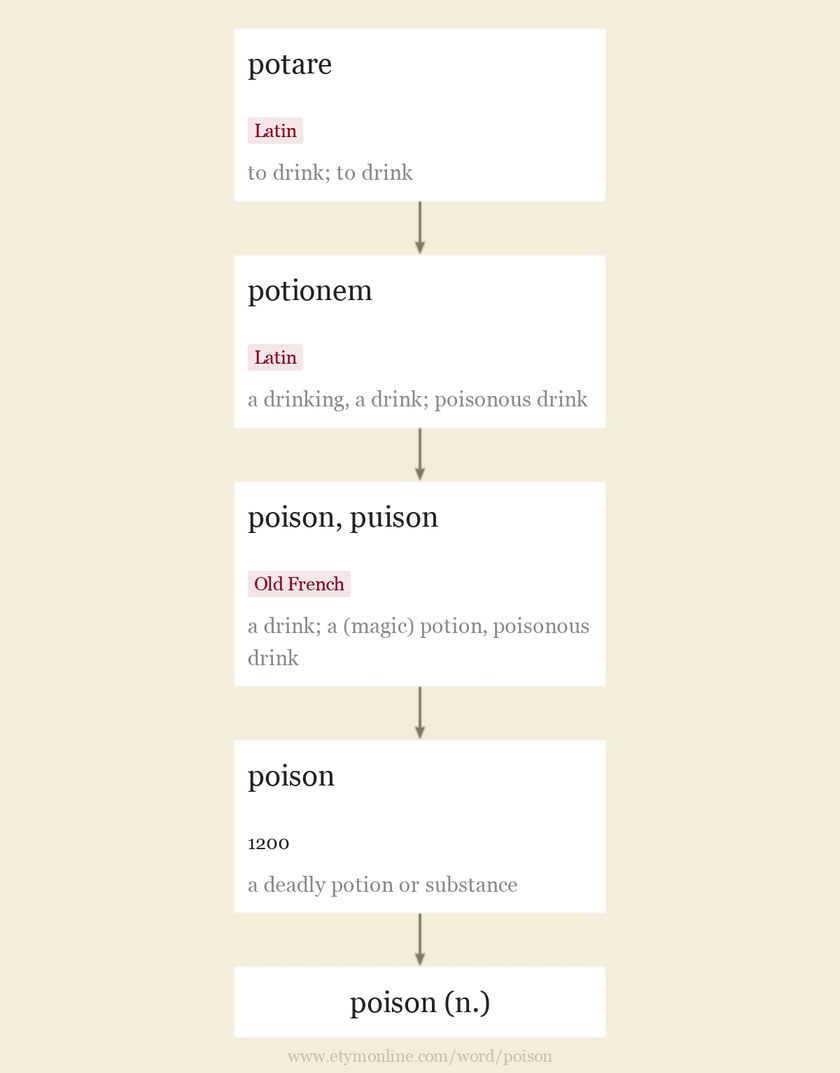
Poison (etymology)
poison (n.) c. 1200, poisoun, “a deadly potion or substance,” also figuratively, “spiritually corrupting ideas; evil intentions,” from Old French poison, puison (12c., Modern French poison) “a drink,” especially a medical drink, later “a (magic) potion,…
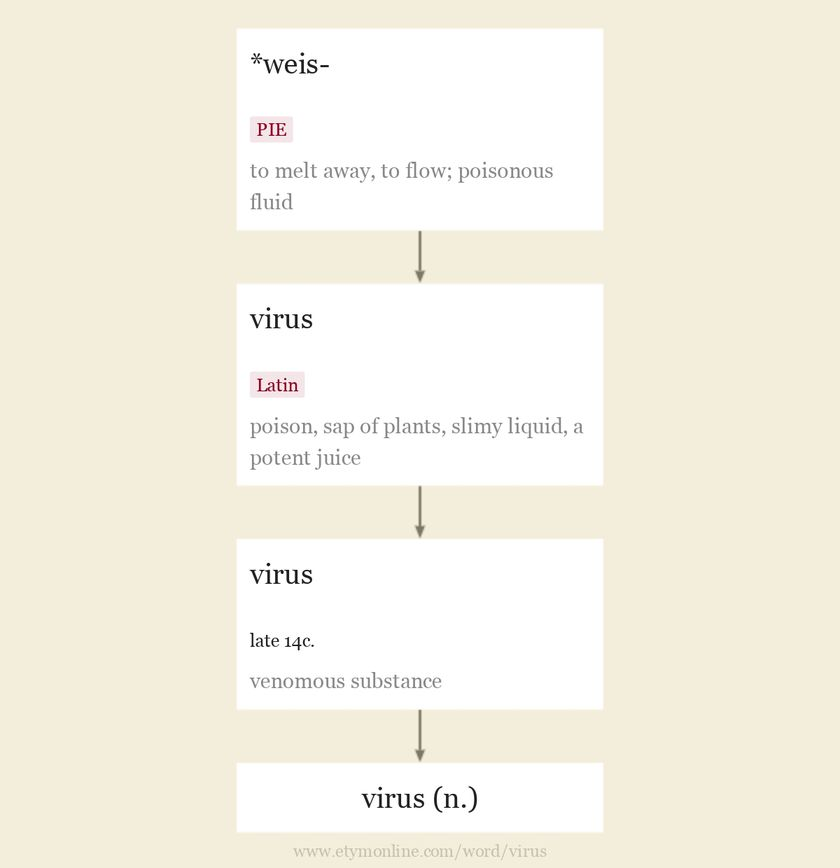
Virus (etymology)
virus (n.) late 14c., “poisonous substance” (a sense now archaic), from Latin virus “poison, sap of plants, slimy liquid, a potent juice,” from Proto-Italic *weis-o-(s-) “poison,” which is probably from a PIE root *ueis-, perhaps originally meaning…