

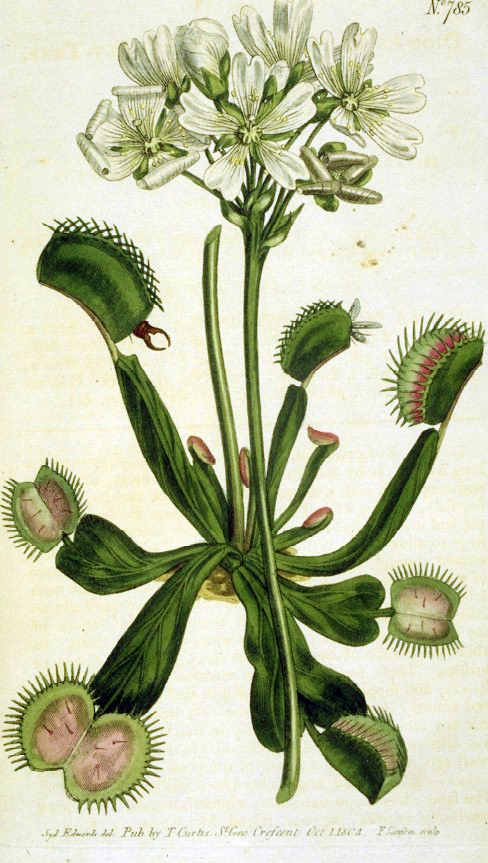
Venus flytrap
The Venus flytrap (Dionaea muscipula) is a carnivorous plant native to subtropical wetlands on the East Coast of the United States in North Carolina and South Carolina. It catches its prey—chiefly insects and arachnids—with a trapping structure formed by the terminal portion of each of the…

Plant breeders’ rights
Plant breeders’ rights (PBR), also known as plant variety rights (PVR), are rights granted to the breeder of a new variety of plant that give the breeder exclusive control over the propagating material (including seed, cuttings, divisions, tissue culture) and…
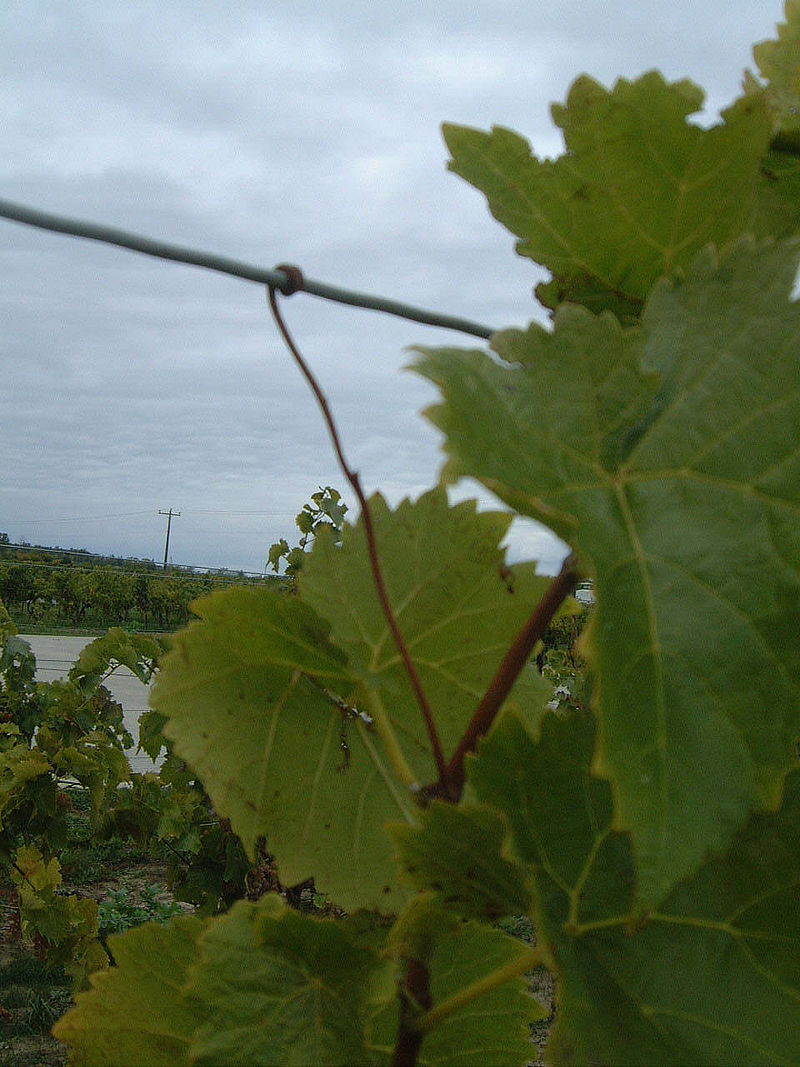
Plant perception (physiology)
Plant perception is the ability of plants to sense and respond to the environment by adjusting their morphology and physiology. Botanical research has revealed that plants are capable of reacting to a broad range of stimuli, including chemicals, gravity, light, moisture, infections, temperature, oxygen and carbon dioxide concentrations, parasite infestation, disease,…

Plant perception (paranormal)
Plant perception or biocommunication is the paranormal idea that plants are sentient, that they respond to humans in a manner that amounts to ESP, and that they experience a range of emotions or parapsychological states. Since plants lack nervous systems, paranormal claims regarding…

Plant cognition
Plant cognition or plant gnosophysiology is the study of the mental capacities of plants. It explores the idea that plants are capable of responding to and learning from stimuli in their surroundings in order to choose and…

Plant Rights
Plant rights are rights to which plants may be entitled. Such issues are often raised in connection with discussions about human rights, animal rights, biocentrism, or sentiocentrism. Not to be confused with Plant breeders’ rights. Philosophy Samuel Butler‘s Erewhon contains a chapter,…
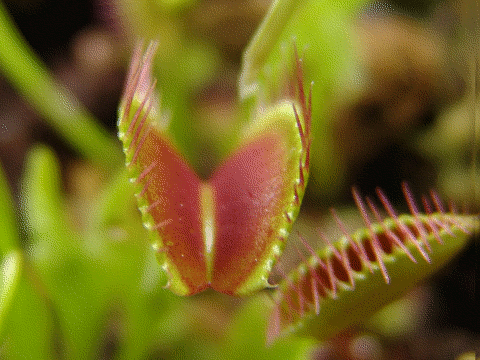
Plant arithmetic
Plant arithmetic is a form of plant cognition whereby plants appear to perform arithmetic operations – a form of number sense in plants. Arithmetic by species Venus flytrap The Venus flytrap can count to two and five in order…
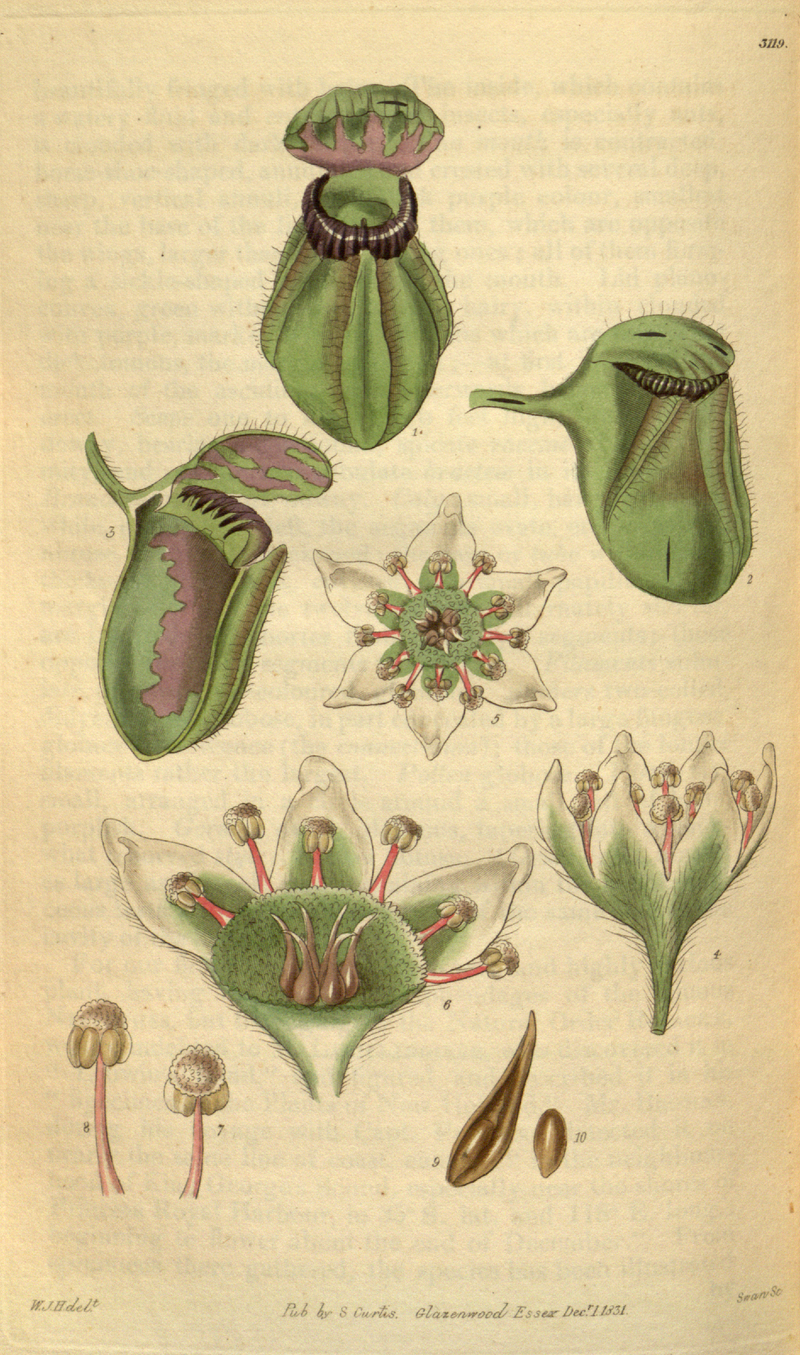
Cephalotus
Cephalotus (Greek: κεφαλή “head”, and οὔς/ὠτός “ear”, to describe the head of the anthers) is a genus which contains one species, Cephalotus follicularis the Albany pitcher plant, a small carnivorous pitcher plant. The pit-fall traps of the modified leaves have inspired the common names for this plant,…
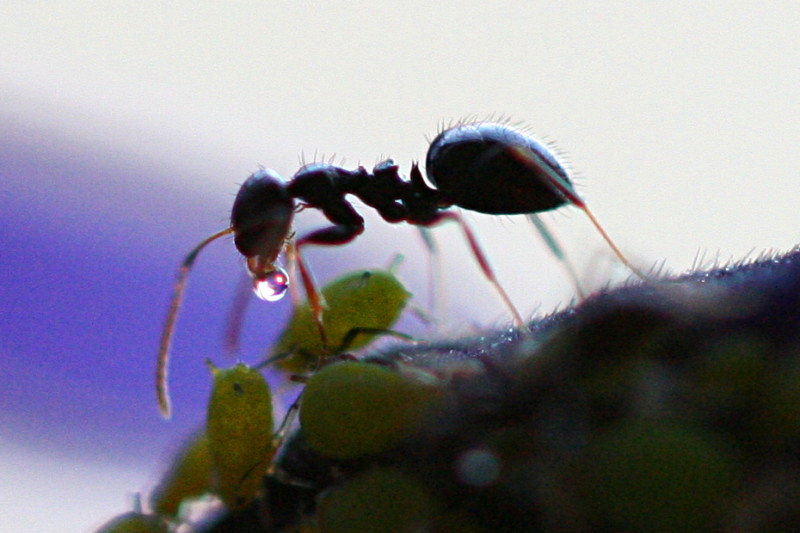
Honeydew
Honeydew is a sugar-rich sticky liquid, secreted by aphids and some scale insects as they feed on plant sap. When their mouthpart penetrates the phloem, the sugary, high-pressure liquid is forced out of the anus of the aphid. Honeydew is particularly common…

Katydids have the biggest balls of all
Insects in the family Tettigoniidae are commonly called katydids (especially in North America), or bush crickets. They have previously been known as “long-horned grasshoppers”. More than 8,000 species are known. Part of the suborder Ensifera, the Tettigoniidae are the only extant (living) family in…
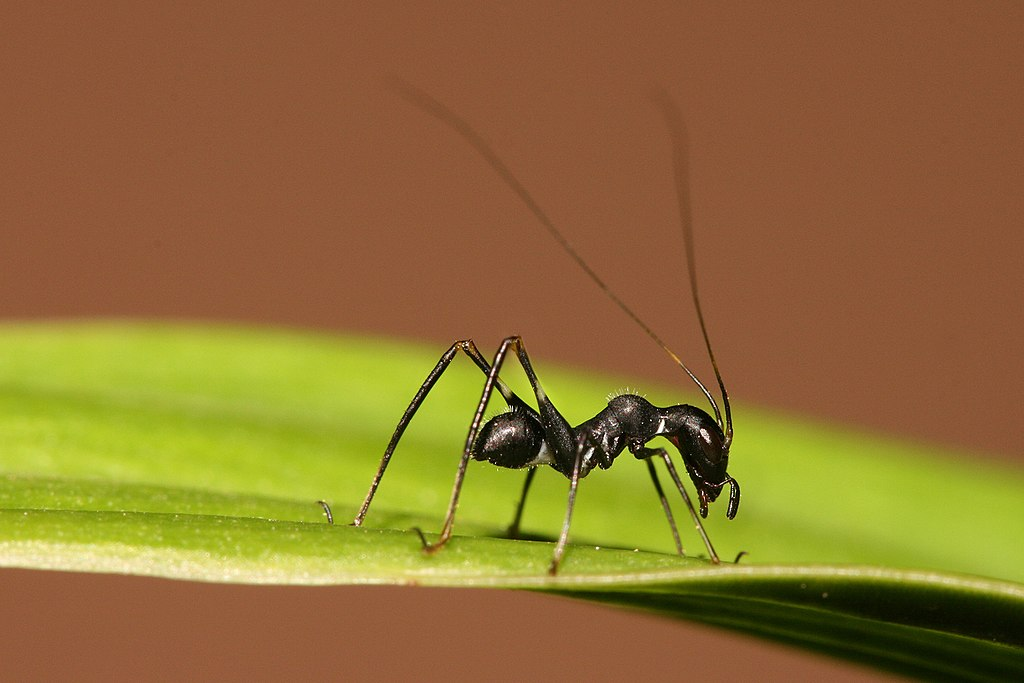
Ant-mimicking Orthoptera: Crickets, grasshoppers etc.
Batesian mimicry Young instars of some Orthoptera, such as the bush cricket Macroxiphus sumatranus, have an “uncanny resemblance” to ants, extending to their black coloration, remarkably perfect antlike shape, and convincingly antlike behaviour. Their long…

I discovered how to earn up to $180,000 per year by pooping – New York Post
Why do they offer such a massive sum for excrement? The site explains: “It is a major problem that the vast majority of people in modern society are in poor…