


Dhanvantari
Dhanvantari (Dhanvantari, Dhanvamtari, ‘moving in a curve’) is the physician of the devas in Hinduism. He is regarded to be an avatar of Vishnu. He is mentioned in the Puranas as the god of Ayurveda. During his incarnation on earth, he reigned…
Plumbagin
Plumbagin or 5-hydroxy-2-methyl-1,4-naphthoquinone is an organic compound with the chemical formula C11H8O3. It is regarded as a toxin and it is genotoxic and mutagenic. Plumbagin is a yellow dye, formally derived from naphthoquinone. It is named after the plant genus Plumbago, from which it was originally…
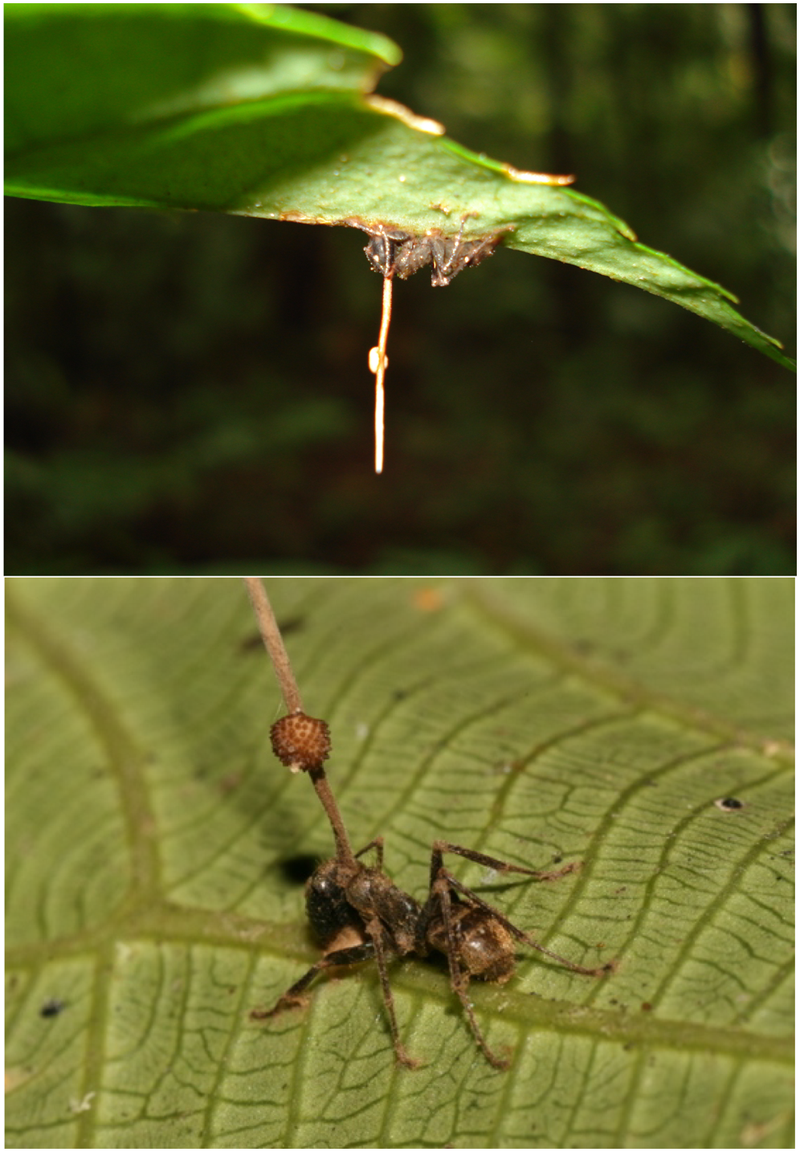
Zombie Ant Fungus “Medicinal potential”
Ophiocordyceps are known in the pharmaceutical world to be a medically-important group. O. unilateralis fungi produce various known secondary metabolites, as well as several structurally uncharacterised substances. These natural products are reportedly being investigated…
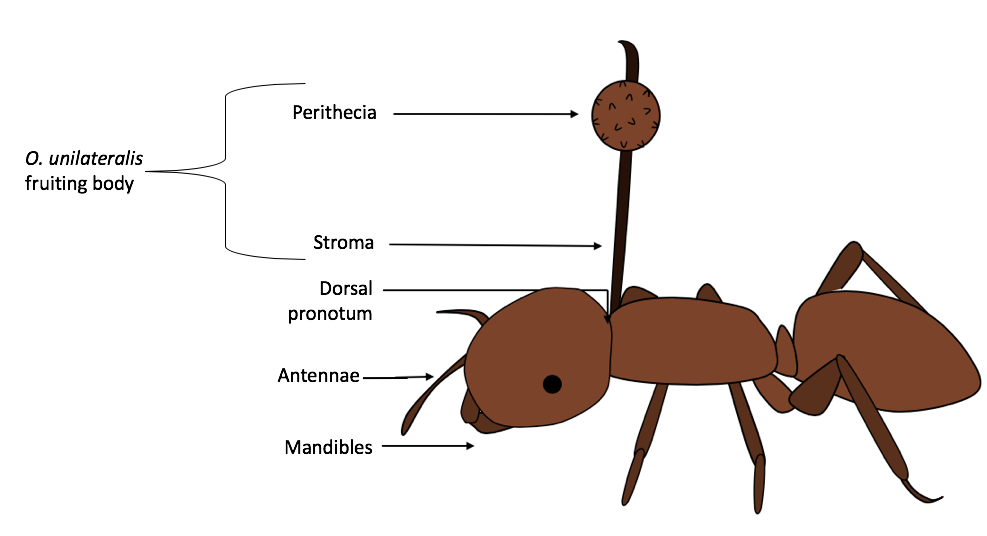
Ophiocordyceps unilateralis, aka Zombie Ant Fungus (Morphology)
The zombie-ant fungus is easily identifiable when its reproductive structure becomes apparent on its dead host, usually a carpenter ant. At the end of its life cycle, O. unilateralis typically generates a…
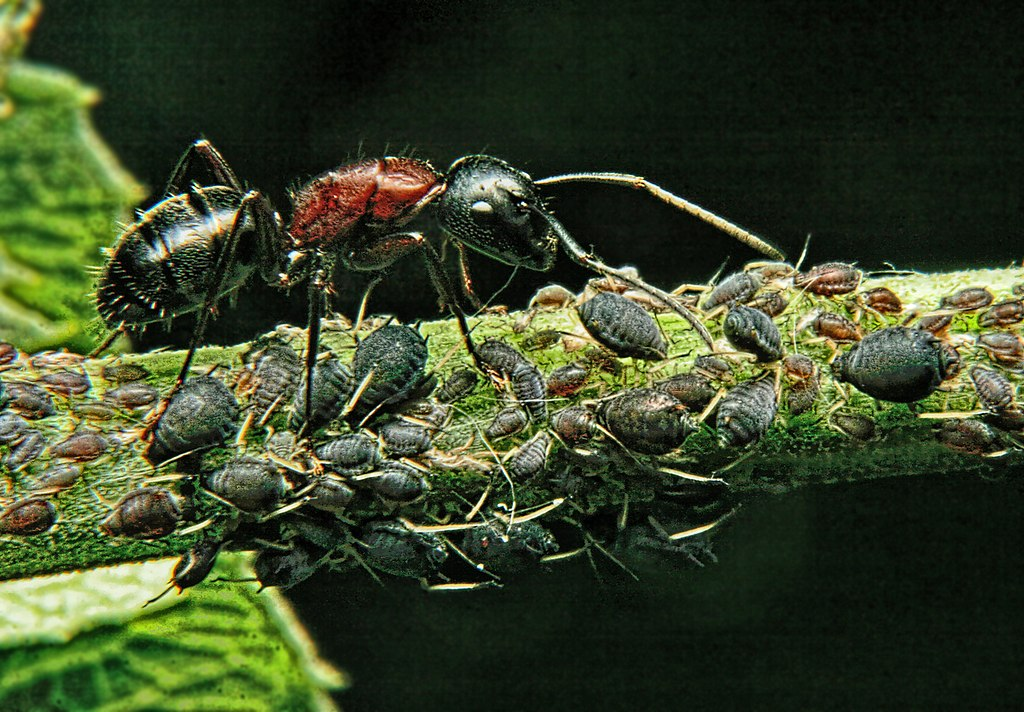
Ants and aphids
Some species of ants farm aphids, protecting them on the plants where they are feeding, and consuming the honeydew the aphids release from the terminations of their alimentary canals. This is a mutualistic relationship, with these…
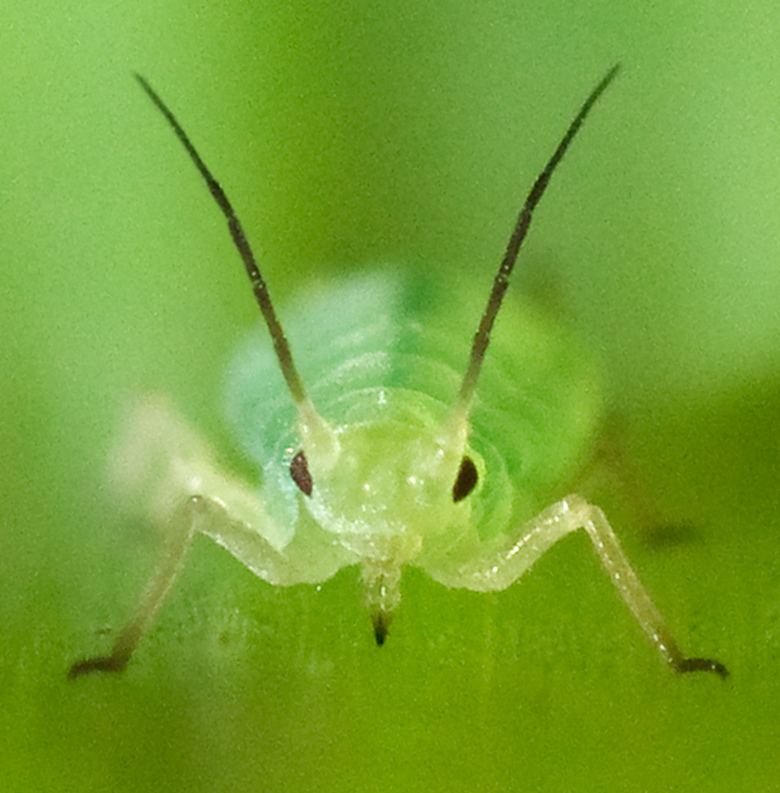
Aphids, carotenoids and photoheterotrophy
Some species of aphids have acquired the ability to synthesise red carotenoids by horizontal gene transfer from fungi. They are the only animals other than two-spotted spider mites and the oriental hornet with this capability. Using their carotenoids, aphids…