
Tongue stone
According to Renaissance accounts, large, triangular fossil teeth often found embedded in rocky formations were believed to be petrified tongues of dragons and snakes and so were referred to as “tongue stones” or “glossopetrae”. Glossopetrae were commonly thought…
Toadstone aka bufonite
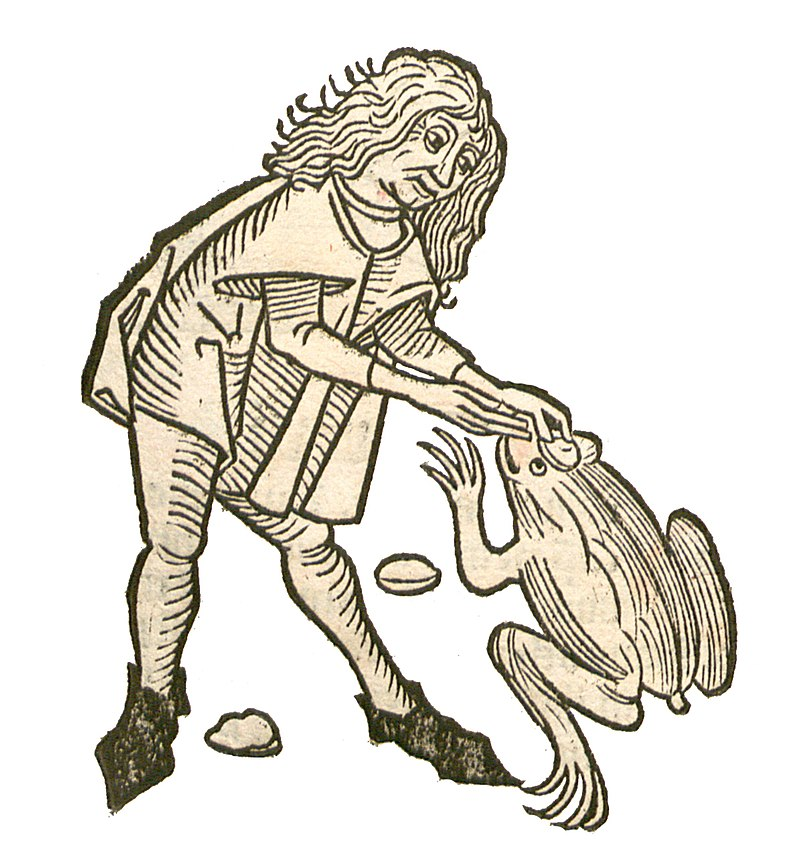
The toadstone, also known as bufonite (from Latin bufo, “toad”), is a mythical stone or gem that was thought to be found in the head of a toad. It was supposed to be an antidote to poison and in this…
Lyngurium
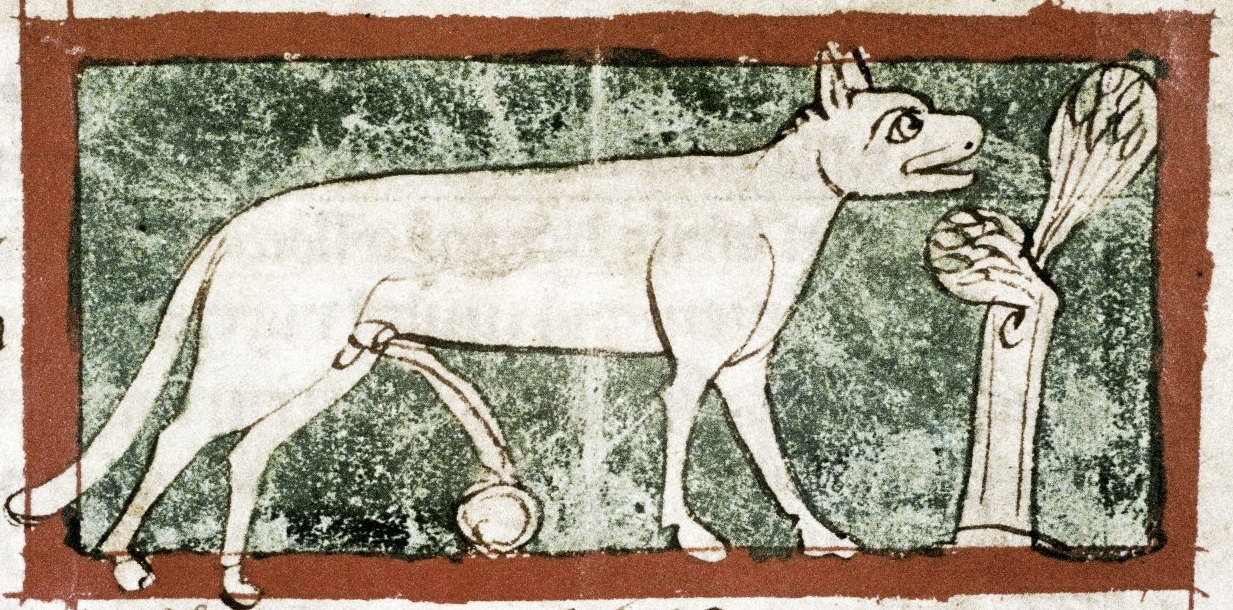
Lyngurium or Ligurium is the name of a mythical gemstone believed to be formed of the solidified urine of the lynx (the best ones coming from wild males). It was included in classical and “almost every medieval lapidary” or book of…
Shaligram
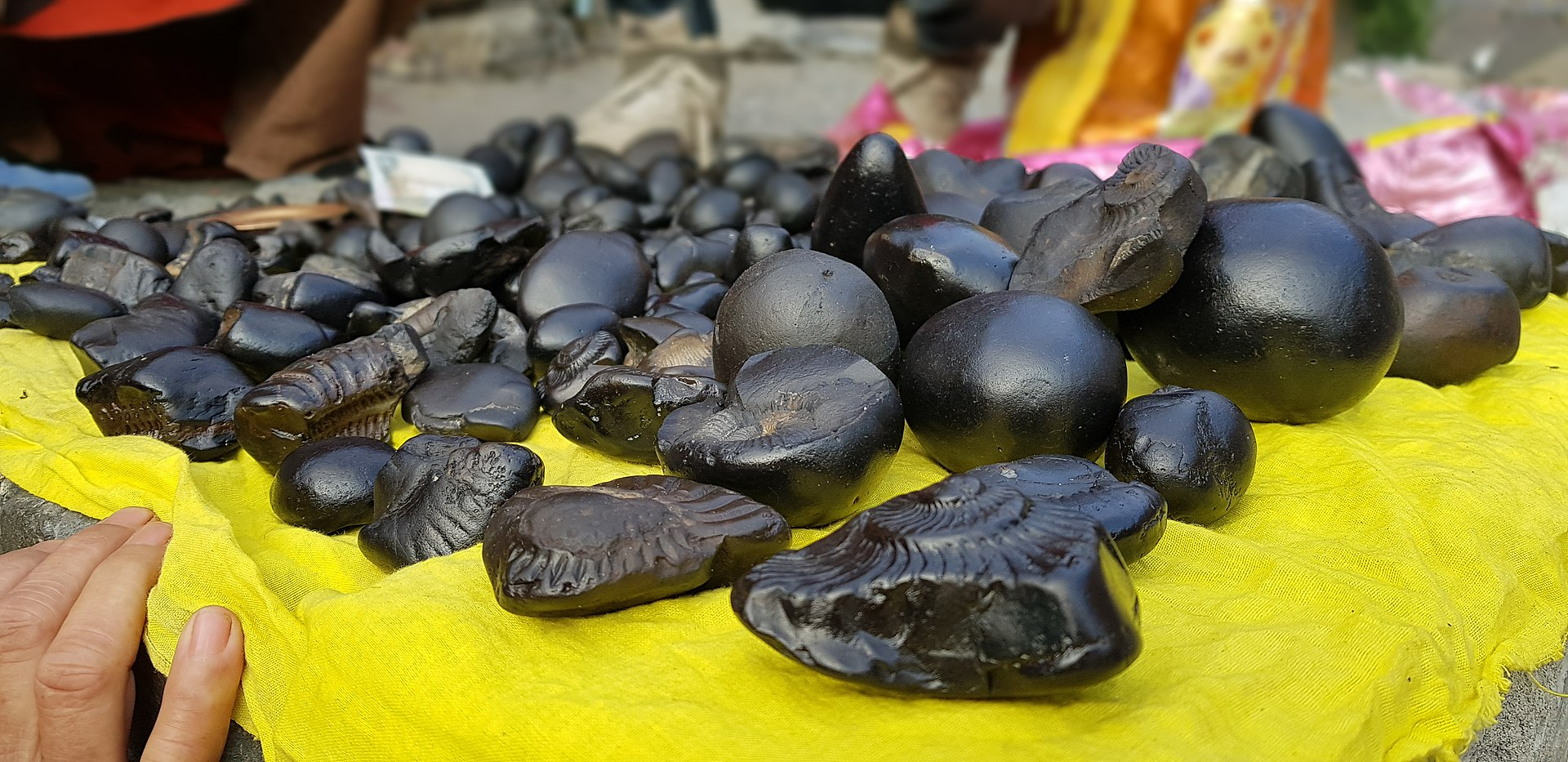
A shaligram, or shaligrama shila (Devanagari: शालिग्राम शिला Śāligrāma-śilā), is a particular variety of stone collected from riverbed or banks of the Kali Gandaki, a tributary of the Gandaki River in Nepal, used as a non-anthropomorphic representation of Vishnu by Hindus. They…
Madstone
In the folklore of the early United States, a madstone was a special medicinal substance that, when pressed into an animal bite, was believed to prevent rabies by drawing the “poison” out. The Encyclopedia Americana described it as “a…
Adder stone aka hag stone
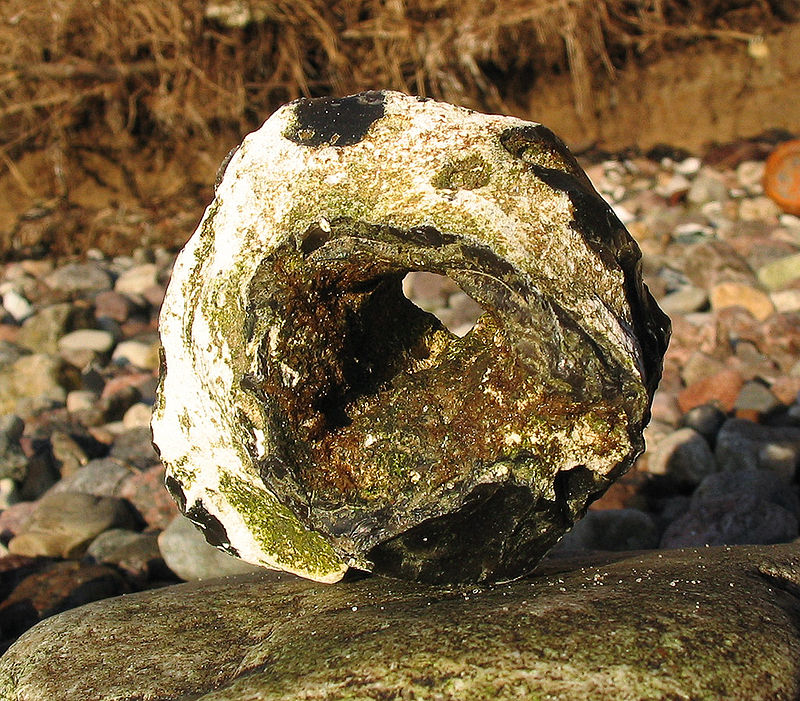
An adder stone is a type of stone, usually glassy, with a naturally occurring hole through it. Such stones, which usually consist of flint, have been discovered by archaeologists in both Britain and Egypt. Commonly, they are found…
Snake stone aka viper stone, snake pearl, black stone, serpent stone and nagamani
A snake-stone, also known as a viper’s stone, snake’s pearl, black stone, serpent-stone, or nagamani is an animal bone or stone used as folk medicine for snake bite in Africa, South America, India and Asia. The early Celtic…
Goa stone
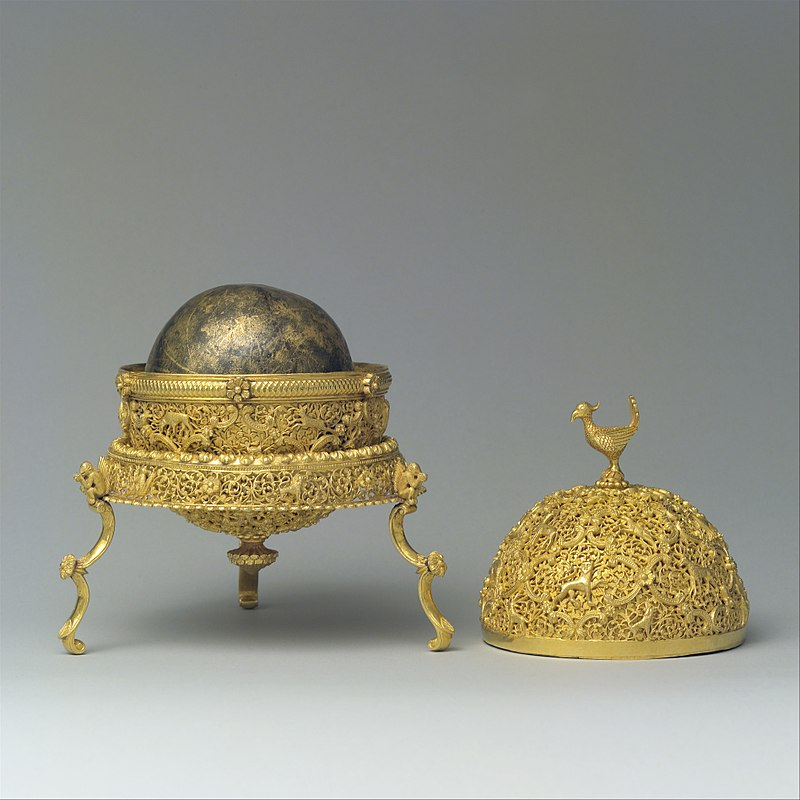
A Goa stone or Lapis de Goa was a man-made bezoar that was considered to have medicinal and talismanic properties. Goa stones were made in Goa, India and exported to apothecaries in Europe from the mid-16th to 18th century. Goa stones were…
Bezoar
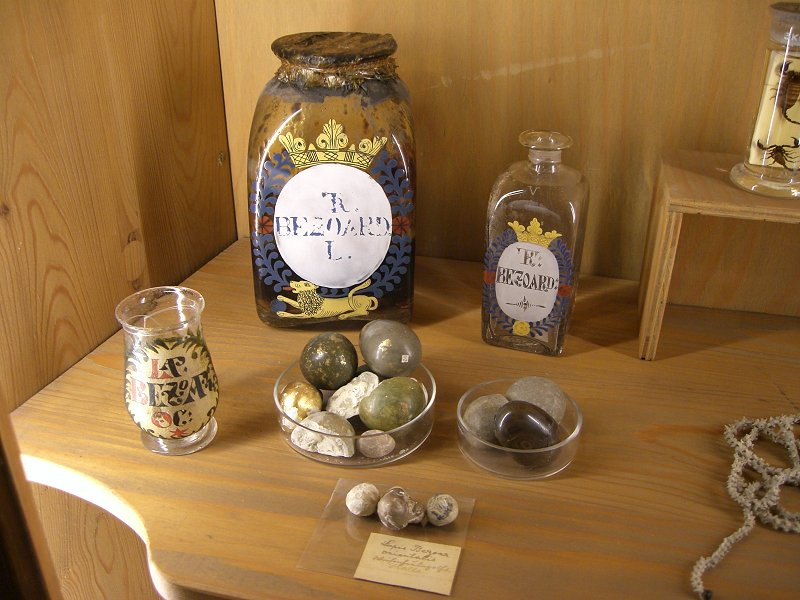
A bezoar is a mass often found trapped in the gastrointestinal system, though it can occur in other locations. A pseudobezoar is an indigestible object introduced intentionally into the digestive system. There are several varieties of bezoar,…
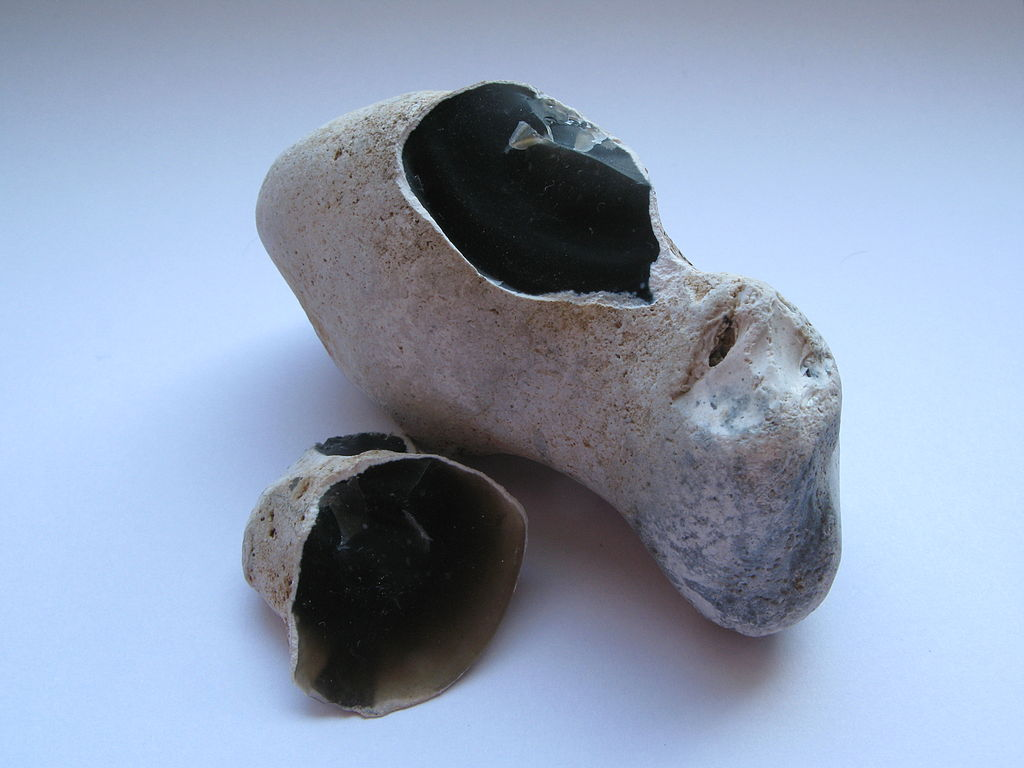
Chert
Chert is a hard, fine-grained sedimentary rock composed of microcrystalline or cryptocrystalline quartz, the mineral form of silicon dioxide (SiO2). Chert is characteristically of biological origin, but may also occur inorganically as a chemical precipitate or a diagenetic replacement, as in petrified wood. Chert is…