
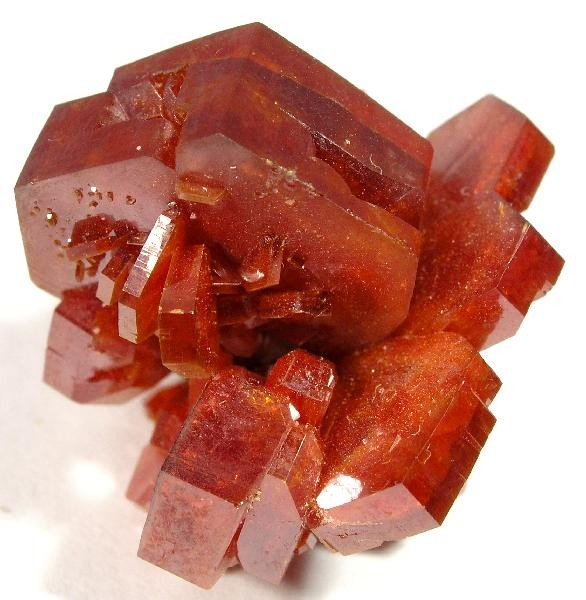
Tabular/Blocky/Stubby – More elongated than equant, slightly longer than wide, flat tablet-shaped
Common examples include: feldspar, topaz, vanadinite
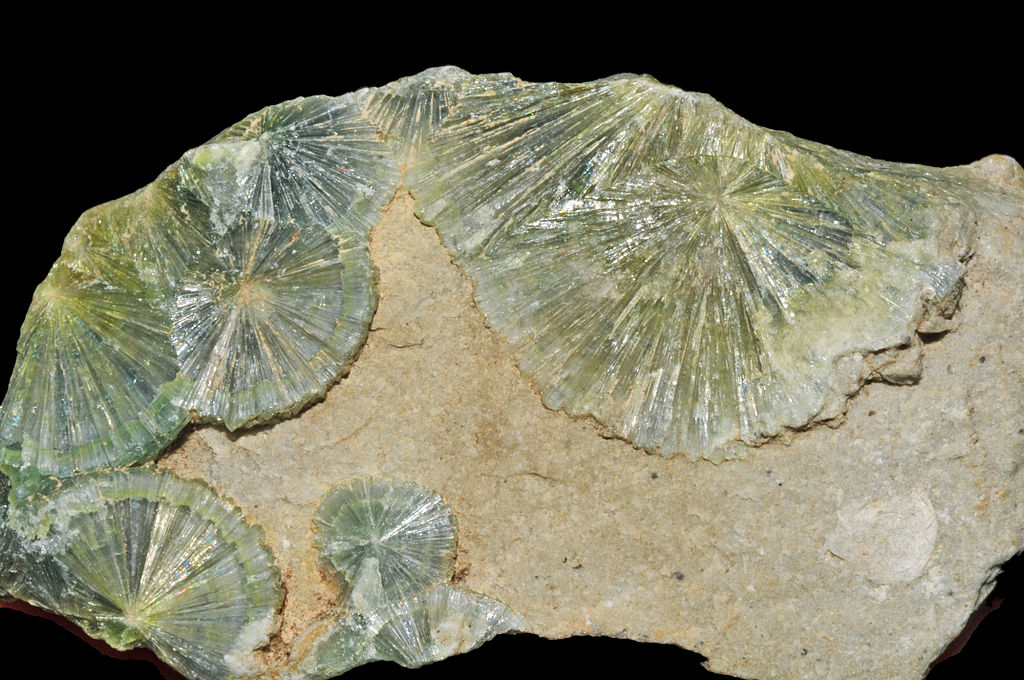
Stellate – Star-like, radial aggregates radiating from a “star”-like point to produce gross spheres (crystals are not or weakly separated and have similar lengths)
Common examples include: pyrophyllite, aragonite, wavellite, “pyrite suns”
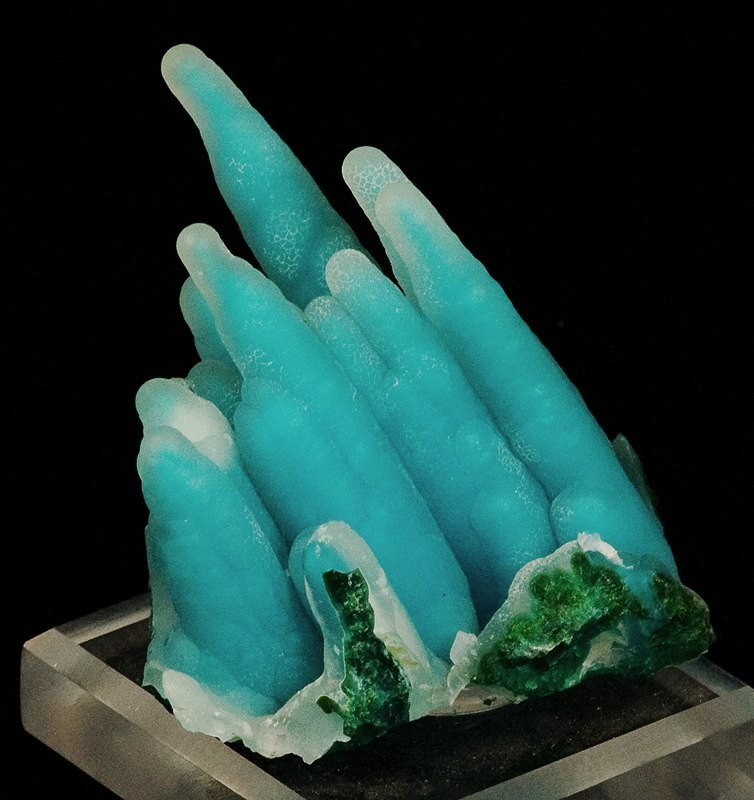
Stalactitic – Forming as stalactites or stalagmites; cylindrical or cone-shaped. Their cross-sections often reveal a “concentric” pattern
Common examples include: calcite, chrysocolla, goethite, malachite
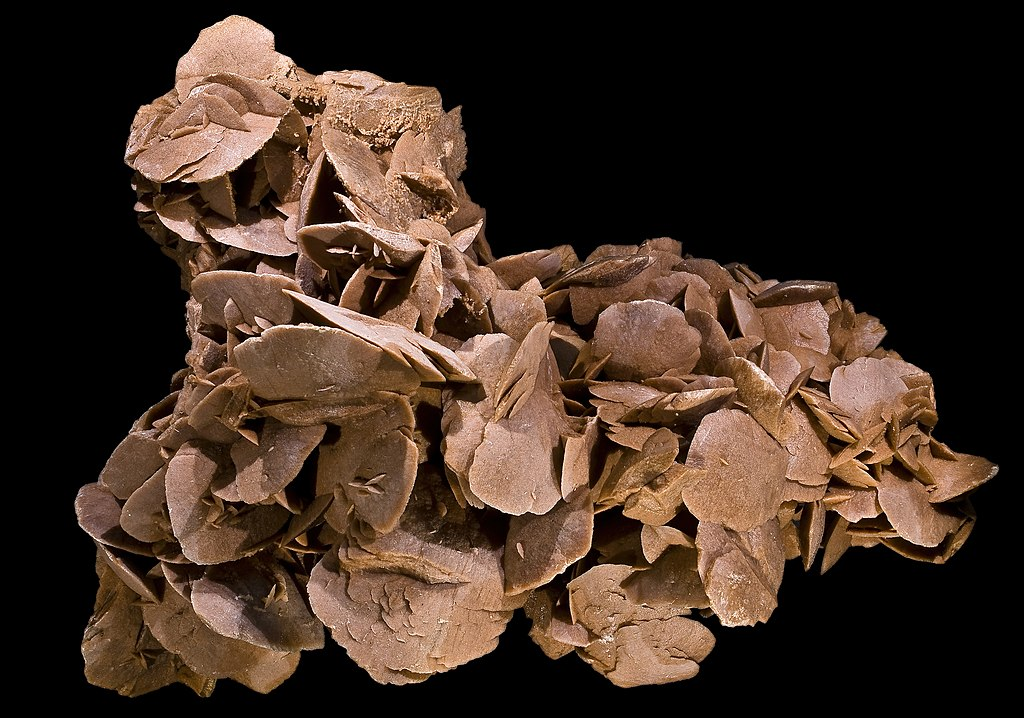
Rosette/Lenticular – Platy, radiating rose-like aggregate (also lens shaped crystals)
Common examples include: gypsum, baryte, calcite
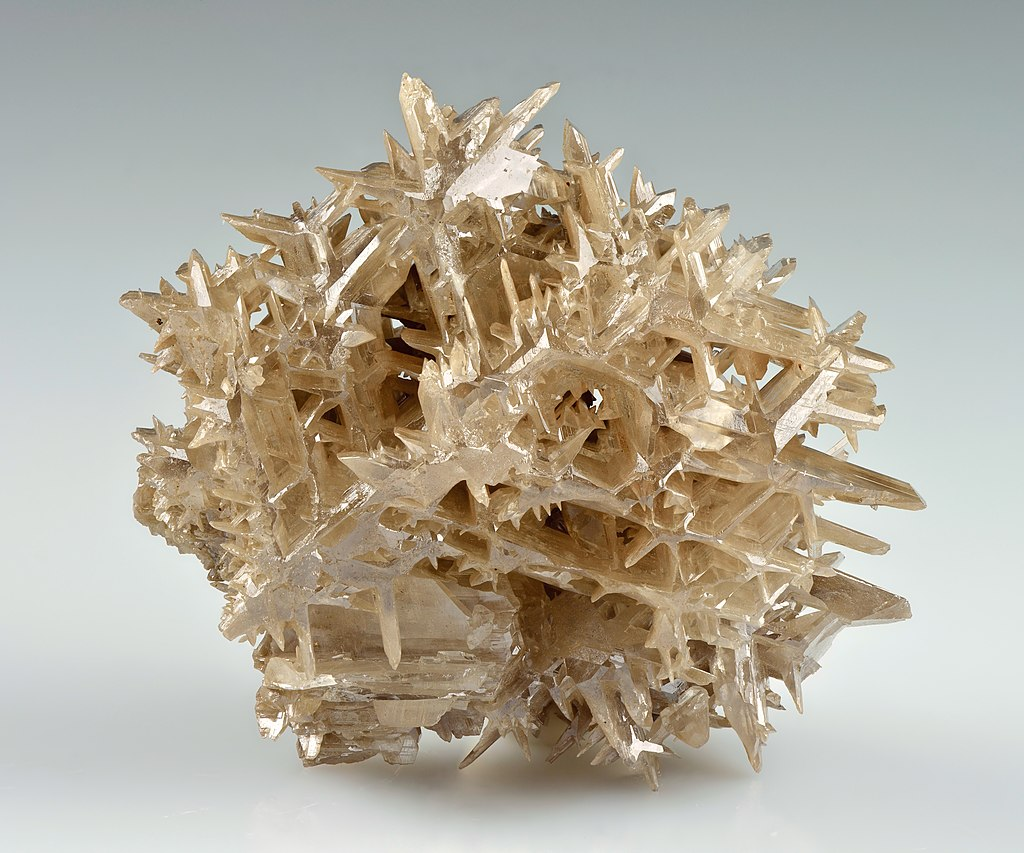
Reticulated – Crystals forming net-like intergrowths
Common examples include: cerussite
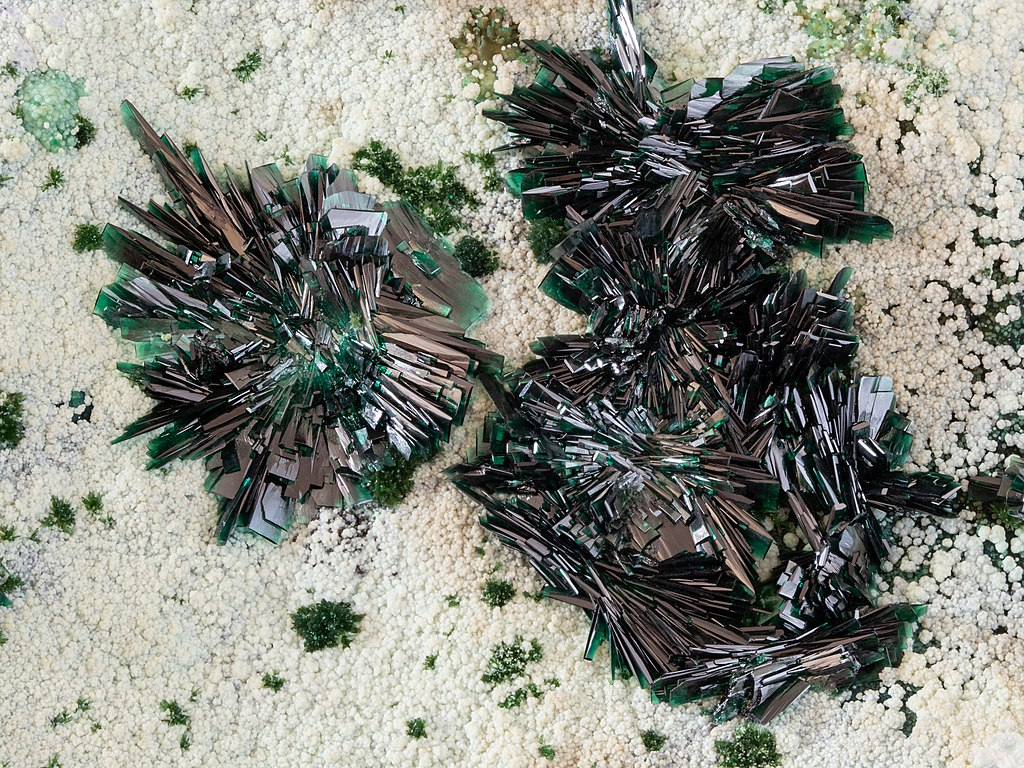
Radial/Radiating/Divergent – Radiating outward from a central point without producing a star (crystals are generally separated and have different lengths)
Common examples include: atacamite, stibnite
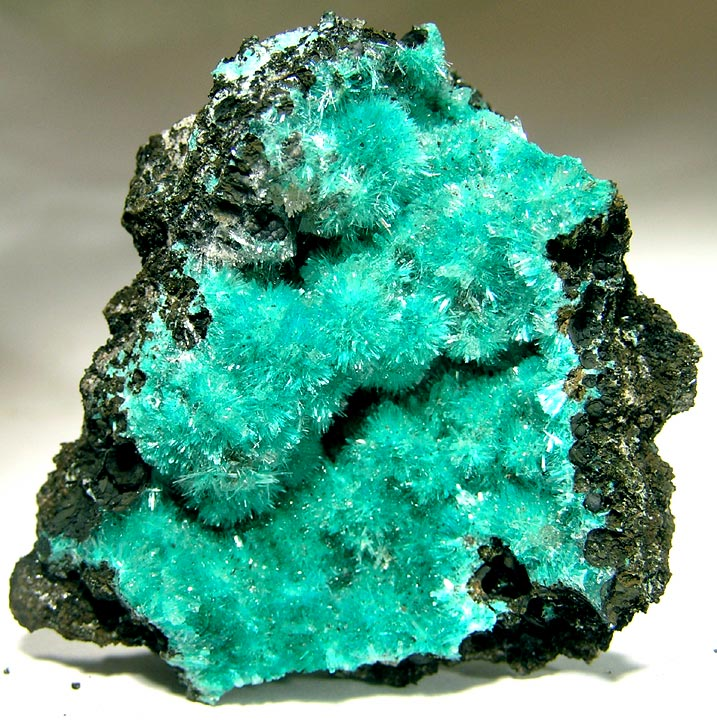
Plumose – Fine, feather-like scales
Common examples: aurichalcite, boulangerite, mottramite
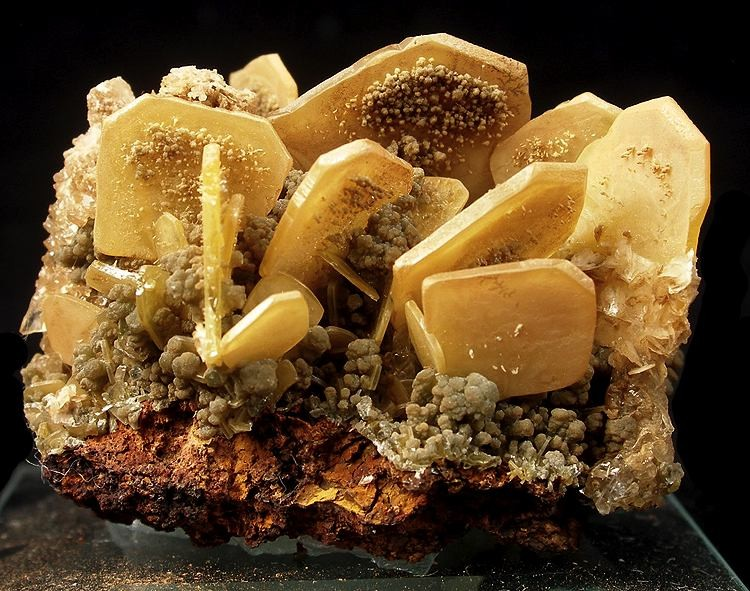
Platy – Flat, tablet-shaped, prominent pinnacoid
Common examples include: wulfenite
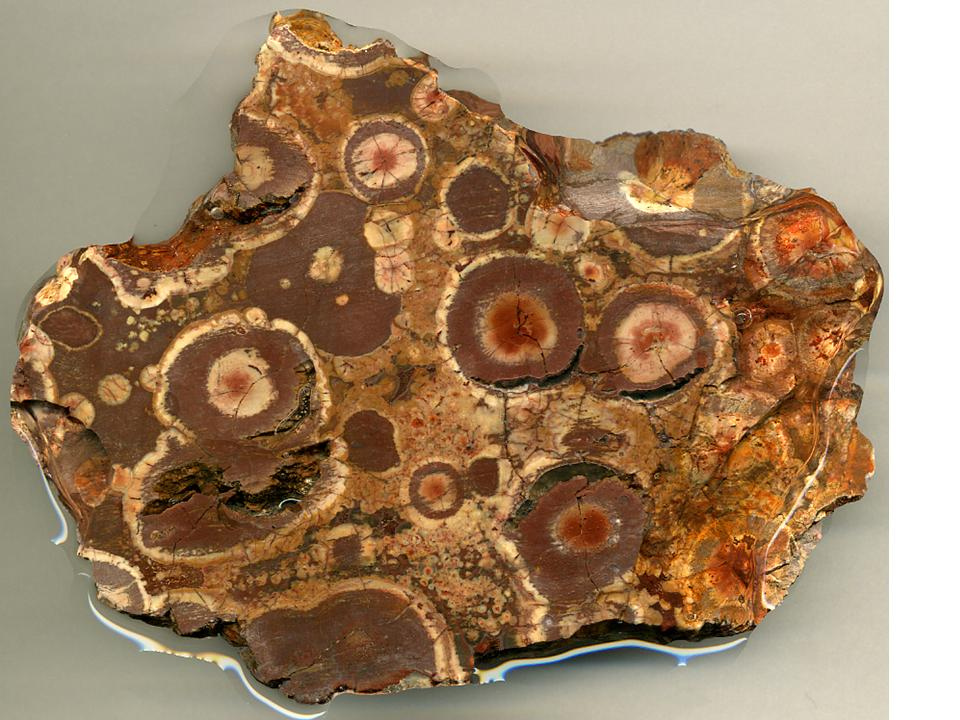
Pisolitic – Rounded concentric nodules often found in sedimentary rocks. Much larger than oolithic
Common examples include: bauxite, gibbsite
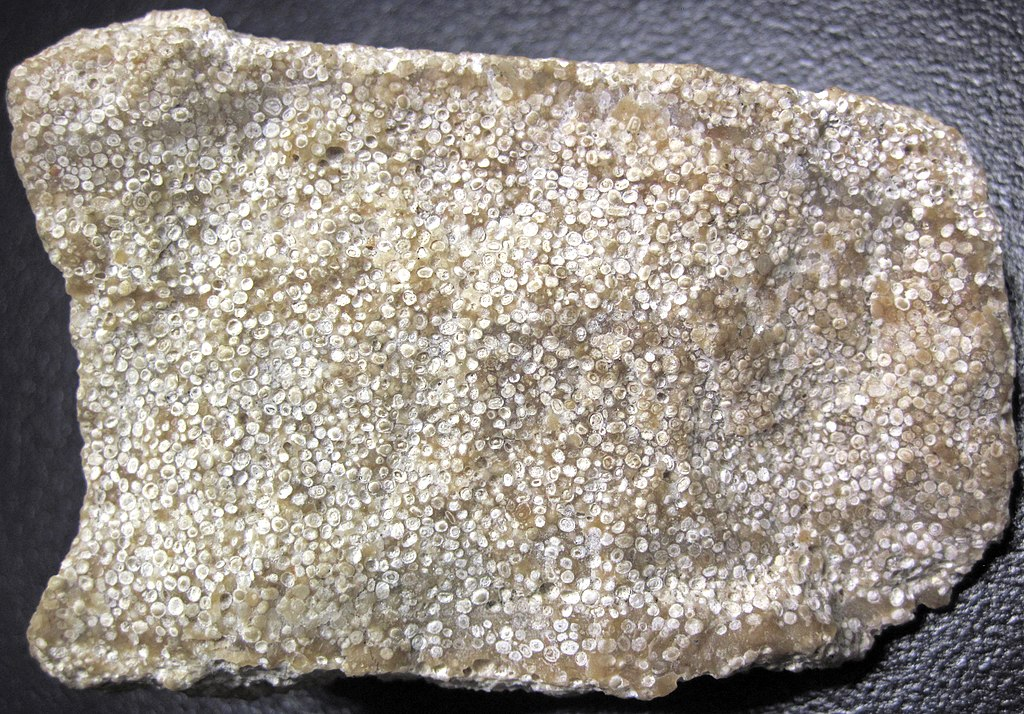
Oolithic – Small circumferences or grains (commonly flattened) that resemble eggs
Common examples include: aragonite, calcite
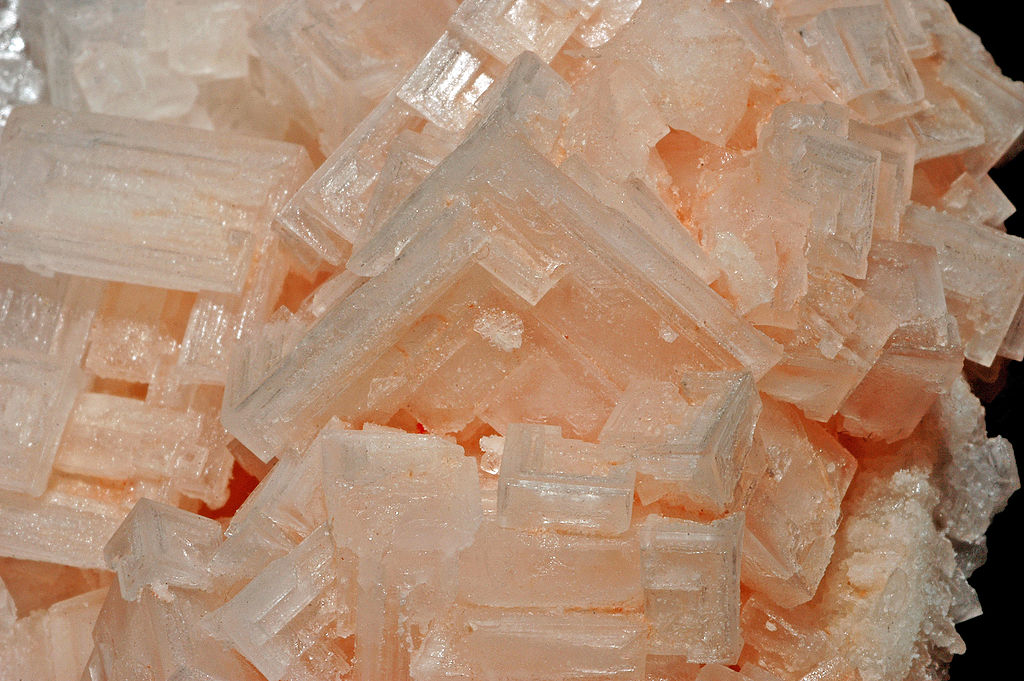
Hopper – Like cubic, but outer portions of cubes grow faster than inner portions creating a concavity
Common examples include: halite, calcite, synthetic bismuth A hopper crystal is a form of crystal, the shape of which resembles that of a pyramidal hopper container. The edges of hopper crystals are fully developed, but the interior…
 matrix or other surface">
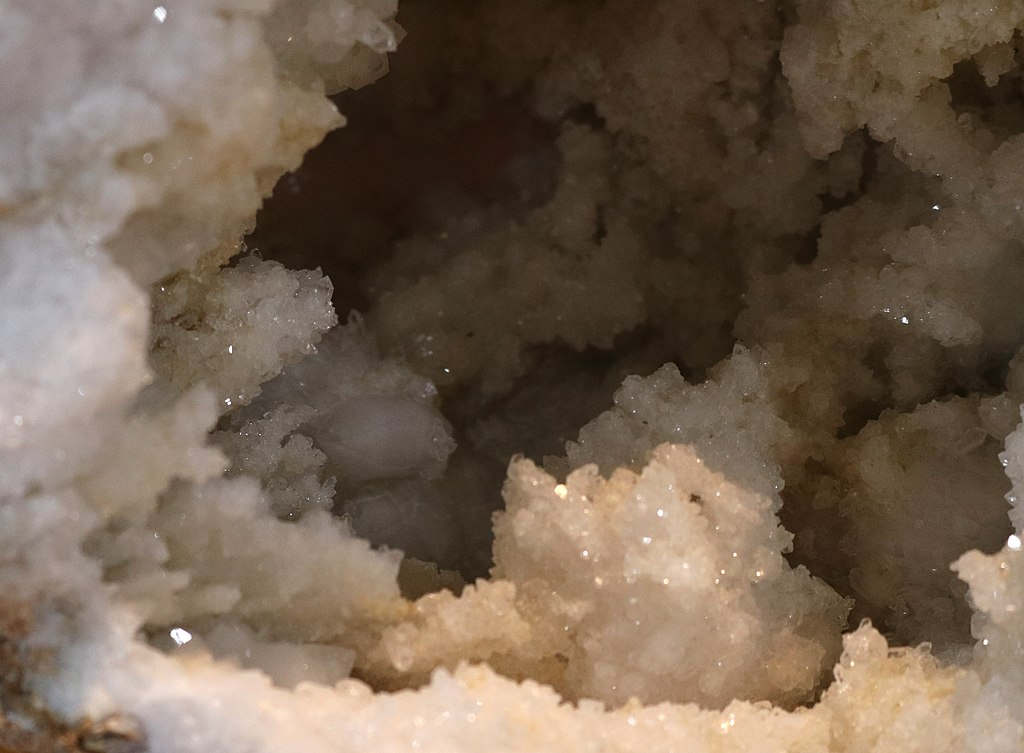
Granular – Aggregates of diminute anhedral crystals in matrix or other surface
Common examples include: andradite, bornite, scheelite, quartz