
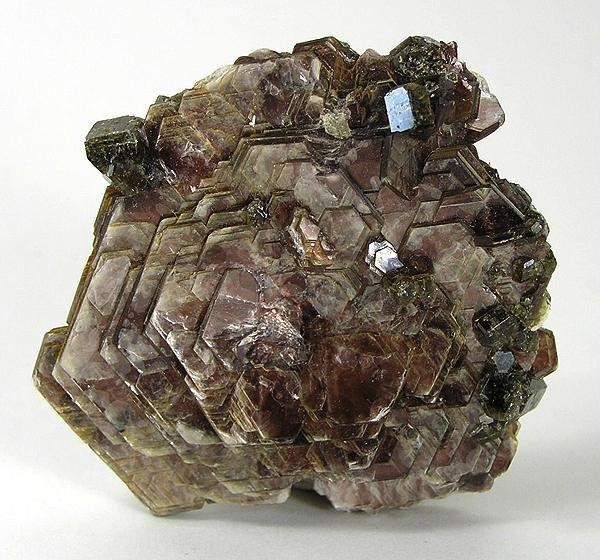
Foliated/Micaceous/Lamellar – Layered crystal structures, parting into thin sheets
Common examples include: muscovite, biotite, lepidolite, molybdenite
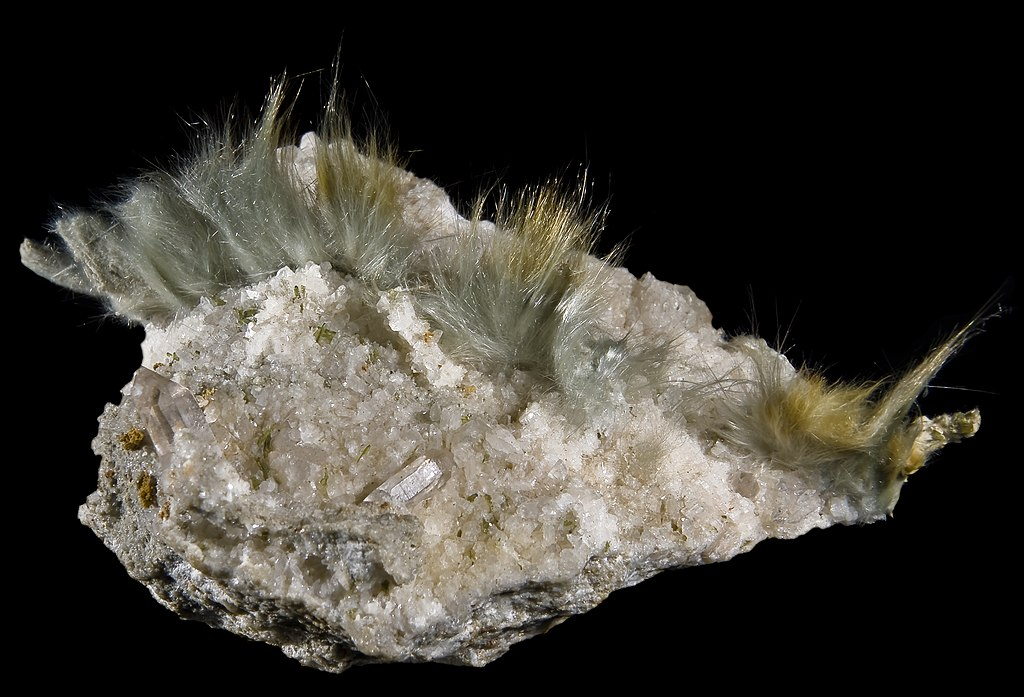
Filiform or capillary – Hair-like or thread-like, extremely fine
Common examples include: many zeolites, byssolite, millerite, okenite

Fibrous (including asbestiform) – Extremely slender prisms, muscle-like fibers
Common examples include: serpentine group, actinolite, kyanite, gypsum, nitratine, tremolite (i.e. asbestos) Asbestiform is a crystal habit. It describes a mineral that grows in a fibrous aggregate of high tensile strength, flexible, long, and thin crystals that readily separate. The…
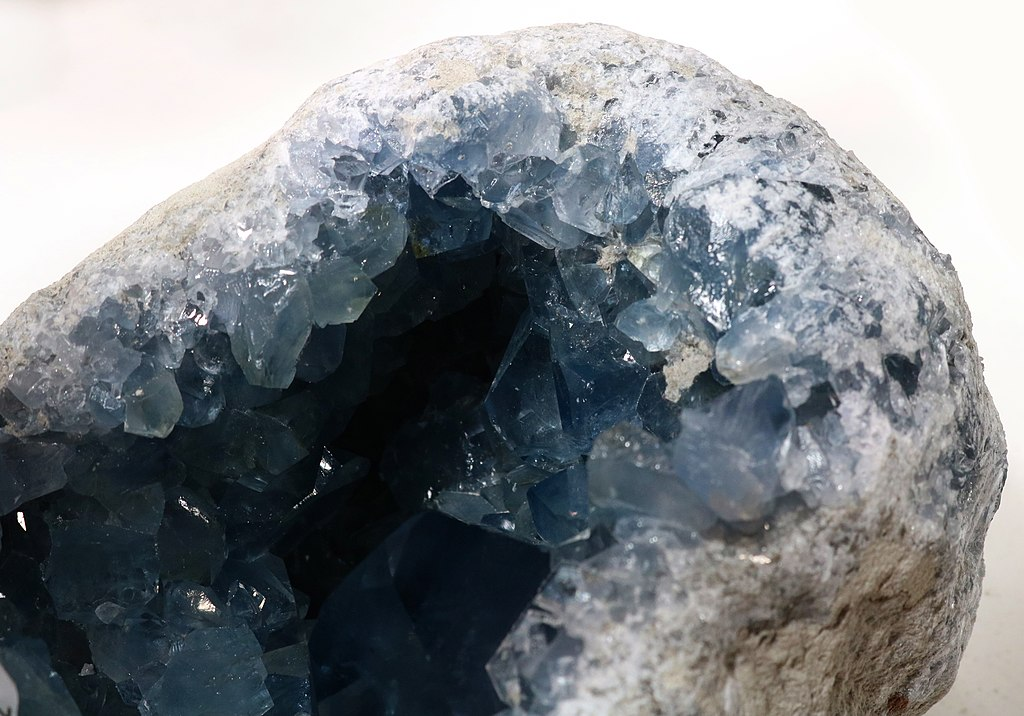
Druse, encrustation – Aggregate of crystals coating a surface or cavity, usually found in geodes
Common examples: azurite, celestine, calcite, uvarovite, malachite, quartz In geology, druse refers to a coating of fine crystals on a rock fracture surface or vein or within a vug or geode. See also References
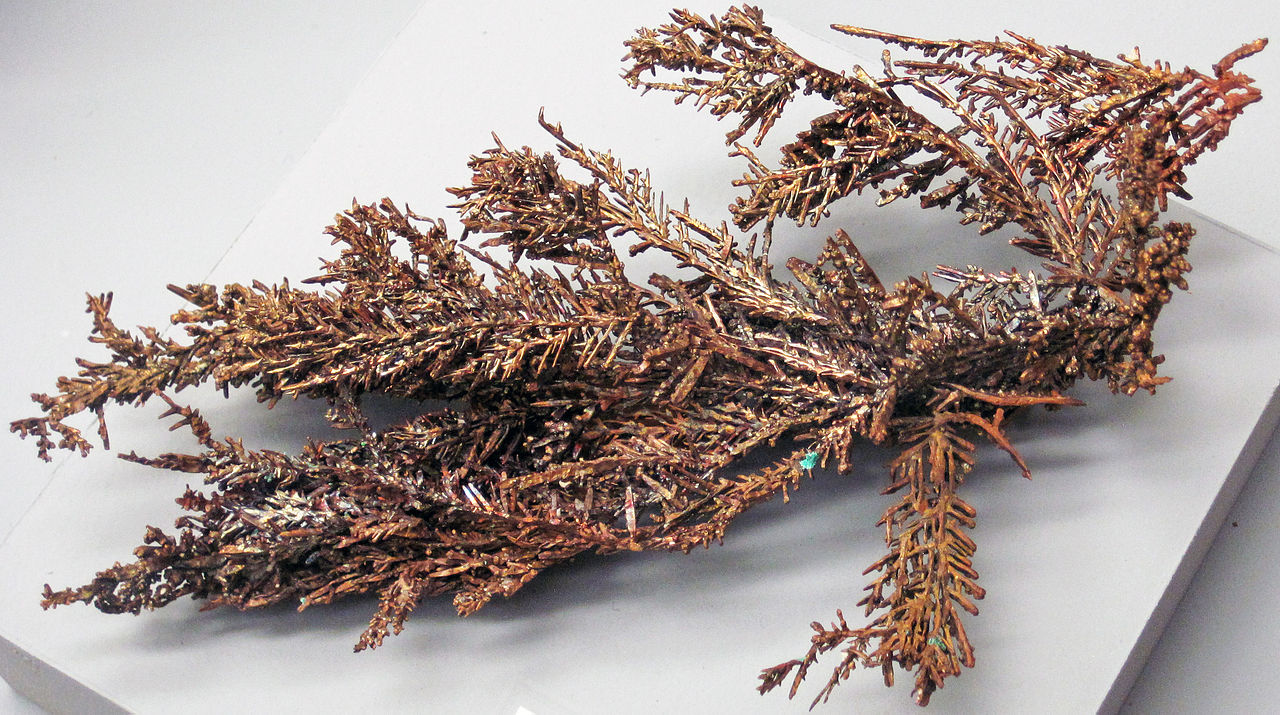
Dendritic, Arborescent – Tree-like, branching in one or more direction from central point
Common examples include: romanechite, magnesite, native copper
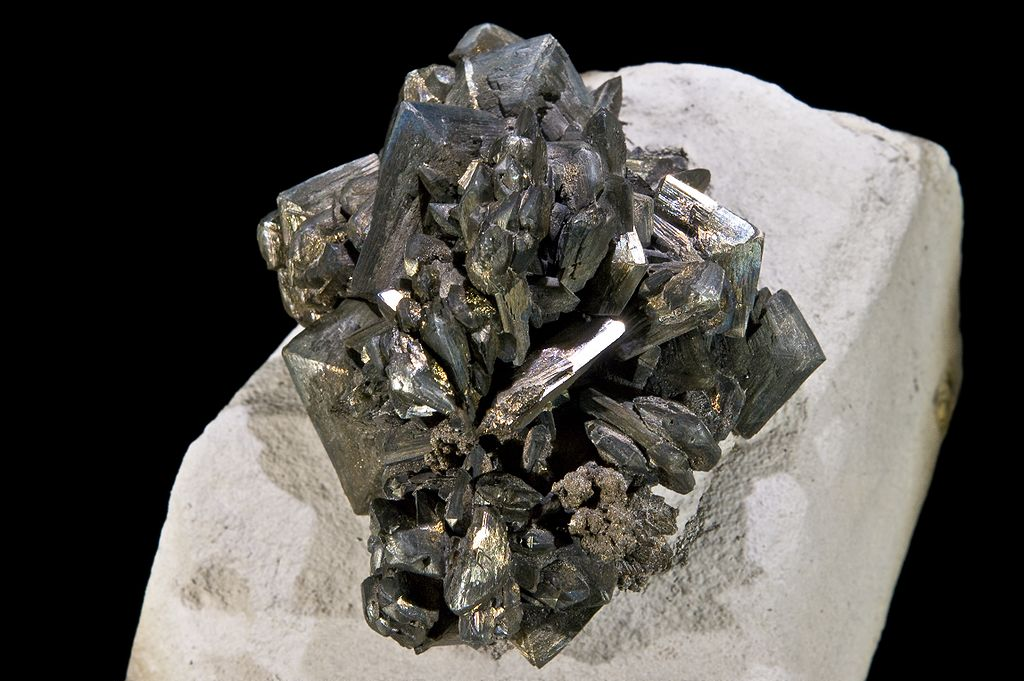
Coxcomb – Aggregated flaky or tabular crystals closely spaced.
Common examples include: barite, marcasite
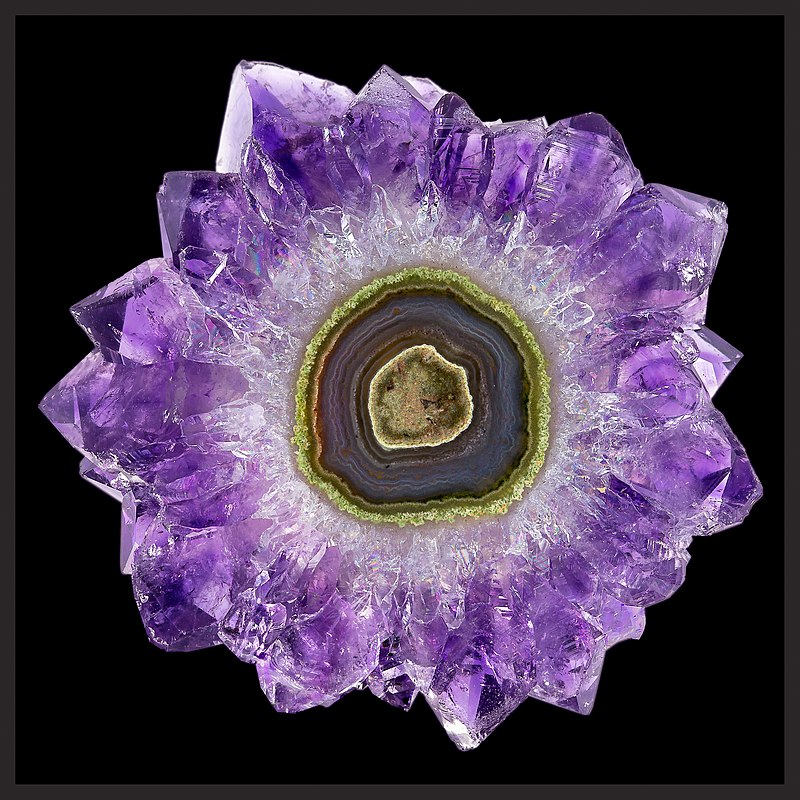
Concentric – Circular ring aggregates around a center
This habit is found in cross-sections from reniform/mamillary habits, and also from elongated stalactites of amethyst (quartz), malachites, rhodocrosite, and others Common examples include: quartz, malachite, rhodocrosite
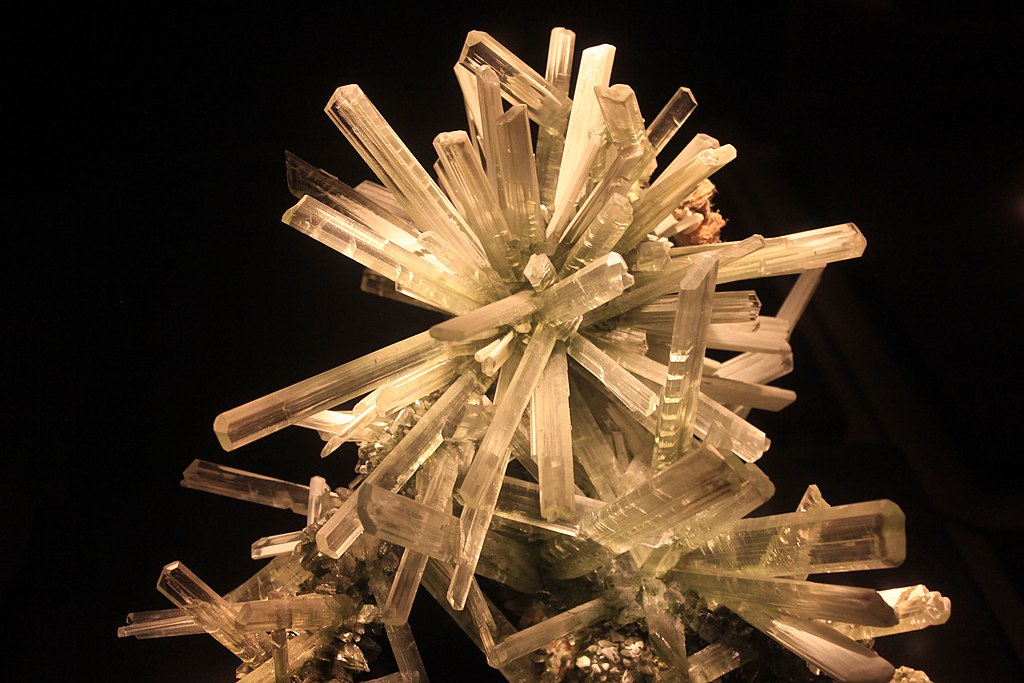
Columnar – Similar to bladed and radial: Long, slender prisms often with parallel growth
Common examples: calcite, gypsum/selenite
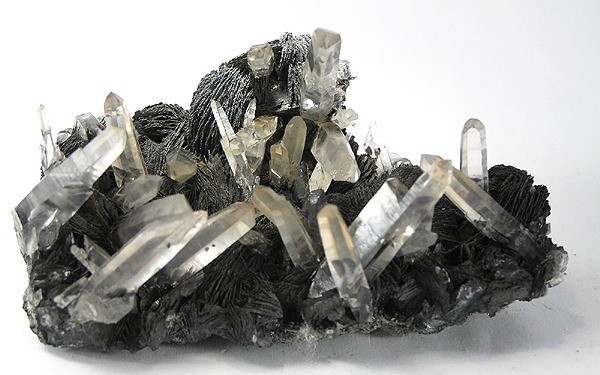
Bladed – Blade-like ends, slender and somewhat flattened
Common examples: quartz, stilbite, kyanite
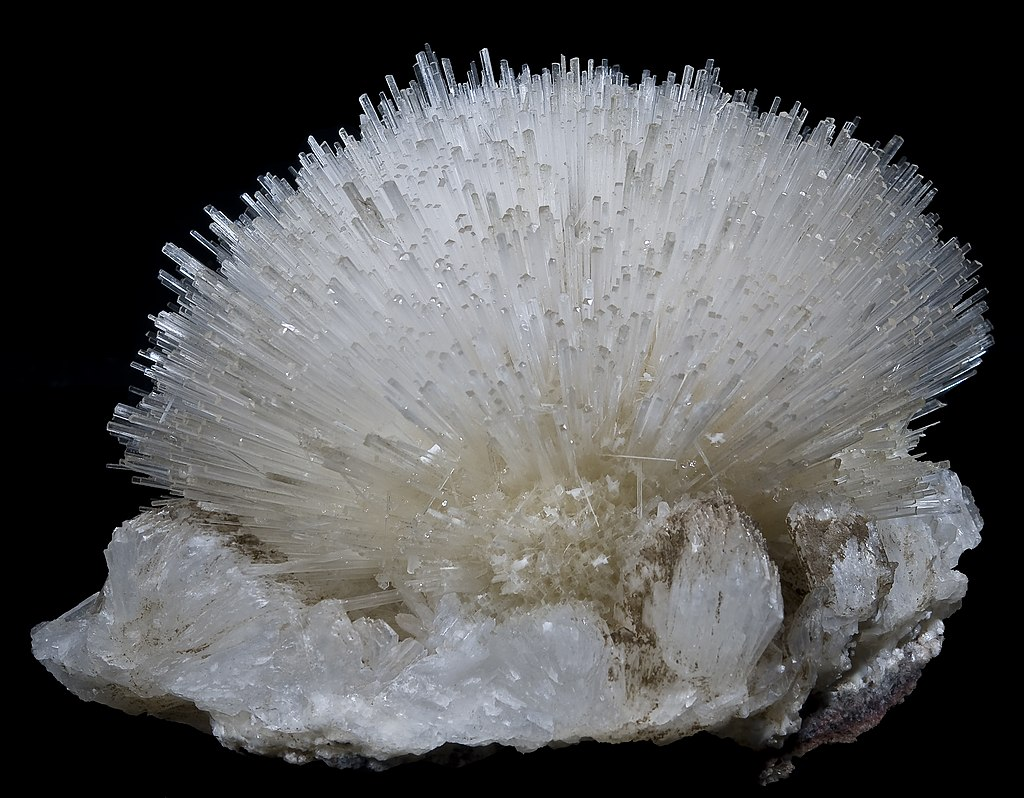
Acicular – Needle-like, slender and/or tapered
Acicular, in mineralogy, refers to a crystal habit composed of slender, needle-like crystals. Crystals with this habit tend to be fragile. Complete, undamaged acicular specimens are uncommon. The term “acicular” derives from the Late Latin “acicula”…