

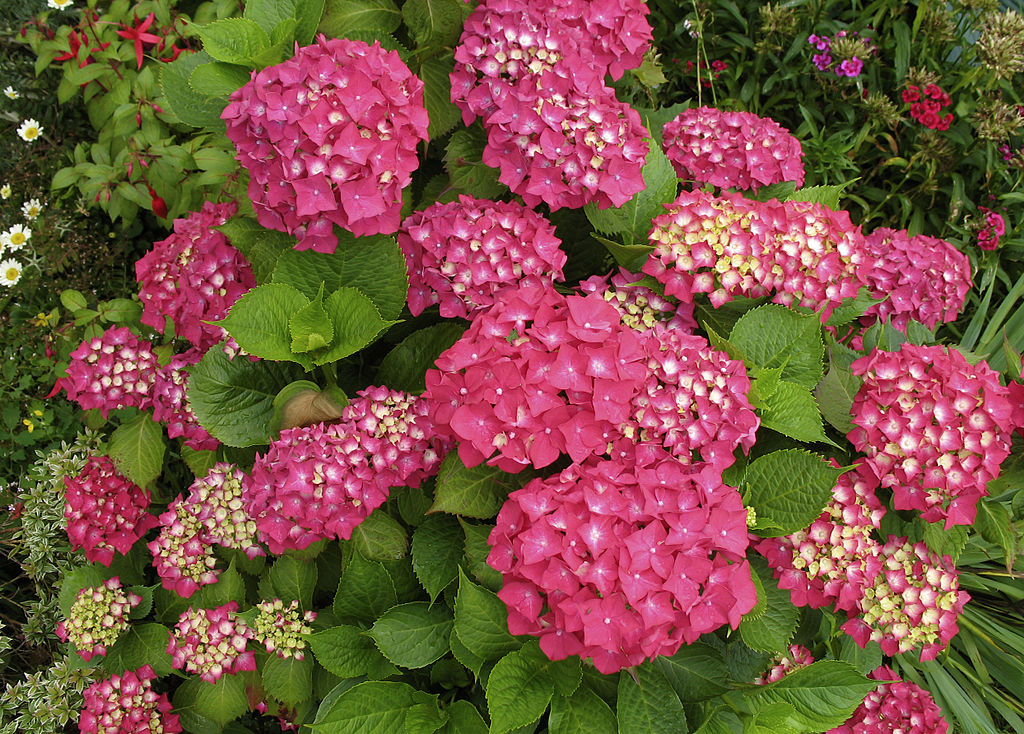
Hydrangea macrophylla
Hydrangea macrophylla is a species of flowering plant in the family Hydrangeaceae, native to Japan. It is a deciduous shrub growing to 2 m (7 ft) tall by 2.5 m (8 ft) broad with large heads of pink or blue flowers in summer and…

Umbelliferone
Umbelliferone, also known as 7-hydroxycoumarin, hydrangine, skimmetine, and beta-umbelliferone, is a natural product of the coumarin family. It absorbs ultraviolet light strongly at several wavelengths. There are some indications that this chemical is antimutagenic, it is used in sunscreens. Umbelliferone has been…
5-Nitro-2-propoxyaniline, aka P-4000 and Ultrasüss, banned artificial sweetener
5-Nitro-2-propoxyaniline, also known as P-4000 and Ultrasüss, is about 4,000 times the intensity of sucrose (hence its alternate name, P-4000). It is an orange solid that is only slightly soluble in water. It is stable…
Dulcin, toxic artificial sweetener about 250 times sweeter than sugar
Dulcin is an artificial sweetener about 250 times sweeter than sugar, discovered in 1883 by the Polish chemist Józef (Joseph) Berlinerblau (27 August 1859 – 1935). It was first mass-produced about seven years later. Although…
Erepsin
Erepsin is a mixture of enzymes contained in a protein fraction found in the intestinal juices that digest peptones into amino acids. It is produced and secreted by the intestinal glands in the ileum and the pancreas, but it is also found widely in…
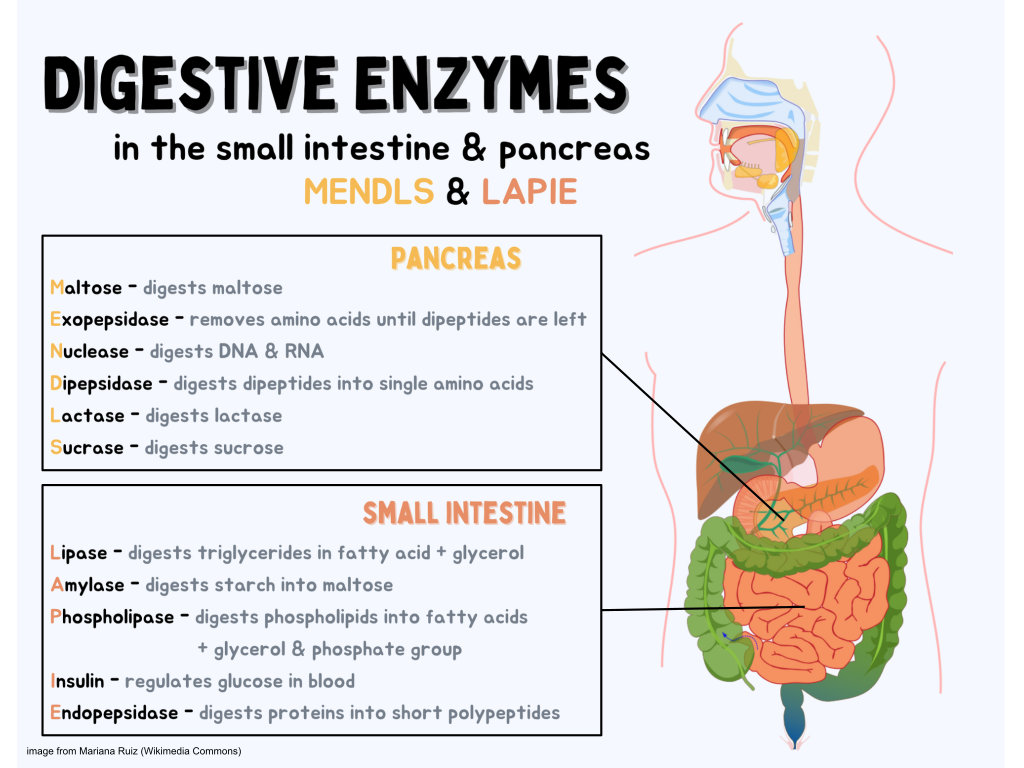
Digestive enzymes
Digestive enzymes are a group of enzymes that break down polymeric macromolecules into their smaller building blocks, in order to facilitate their absorption into the cells of the body. Digestive enzymes are found in the…
Digestive enzymes
In carnivorous plants digestive enzymes and acids break down insects and in some plants small animals. In some plants the leaf collapses on the prey to increase contact, others have a small vessel of…