

PPARGC1A is also known as human accelerated region 20 (HAR20) and may have played a key role in differentiating humans from apes
Peroxisome proliferator-activated receptor gamma coactivator 1-alpha (PGC-1α) is a protein that in humans is encoded by the PPARGC1A gene. PPARGC1A is also known as human accelerated region 20 (HAR20). It may, therefore, have played a key role in…
Bile acid receptor (BAR) aka farnesoid X receptor (FXR) or NR1H4
The bile acid receptor (BAR), also known as farnesoid X receptor (FXR) or NR1H4 (nuclear receptor subfamily 1, group H, member 4), is a nuclear receptor that is encoded by the NR1H4 gene in humans. Function FXR is expressed at…
20-Hydroxyecdysone, ecdysteroid hormone which controls the ecdysis (moulting) and metamorphosis of arthropods
20-Hydroxyecdysone (ecdysterone or 20E) is a naturally occurring ecdysteroid hormone which controls the ecdysis (moulting) and metamorphosis of arthropods. It is therefore one of the most common moulting hormones in insects, crabs, etc. It is also a phytoecdysteroid produced by various plants, including Cyanotis…
Bursicon
Bursicon (from the Greek bursikos, pertaining to tanning) is an insect hormone which mediates tanning in the cuticle of adult flies. Structure The molecular structure of the hormone has been characterized rather recently. Bursicon is a 30 kDa neurohormone heterodimeric protein which is…
Prothoracicotropic hormone (PTTH) formerly known as “brain hormone”
Prothoracicotropic hormone (PTTH) was the first insect hormone to be discovered. The chemical symbol for prothoracicotropic hormone is (C64H102N16O19S2). It was originally described simply as “brain hormone” by early workers such as Stefan Kopeć (1922) and Vincent…
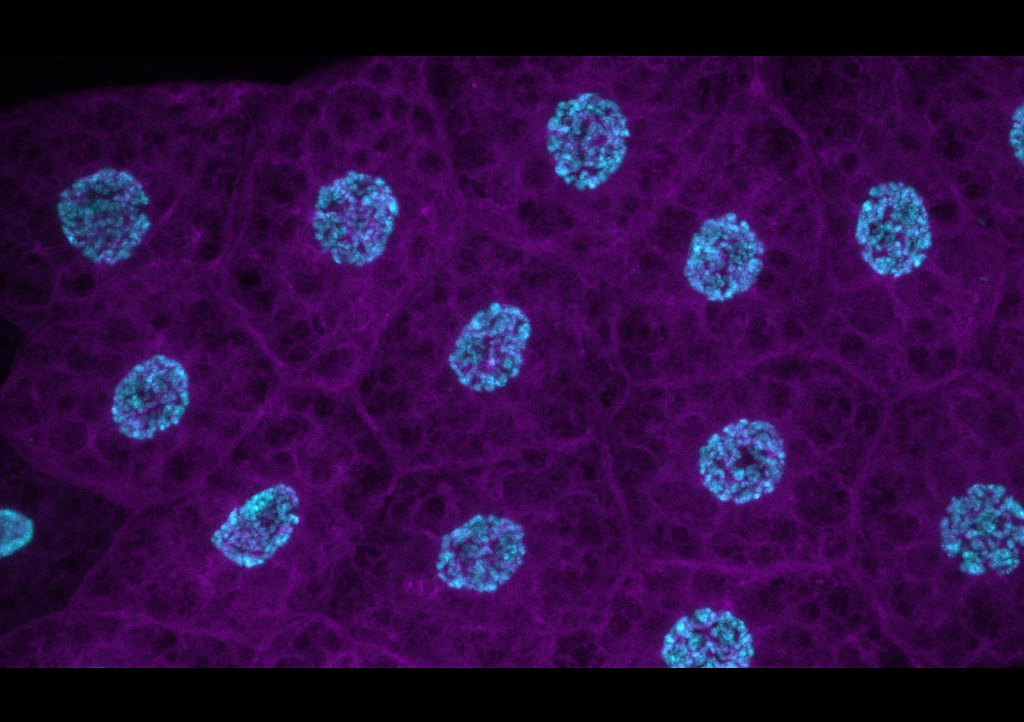
Fat body
Fat body is a highly dynamic insect tissue composed primarily of storage cells. It is distributed throughout the insect’s internal body cavity; the haemocoel, in close proximity to the epidermis, digestive organs and ovaries. Its main functions are nutrient storage and…
Phytoecdysteroids are plant-derived ecdysteroids
Phytoecdysteroids are plant-derived ecdysteroids. Phytoecdysteroids are a class of chemicals that plants synthesize for defense against phytophagous (plant eating) insects. These compounds are mimics of hormones used by arthropods in the molting…
The halloween genes
The halloween genes are a set of genes identified in Drosophila melanogaster that influence embryonic development. All of the genes code for cytochrome P450 enzymes in the ecdysteroidogenic pathway (biosynthesis of ecdysone from cholesterol). Ecdysteroids such as 20-hydroxyecdysone and ecdysone influence many of the morphological, physiological, biochemical…
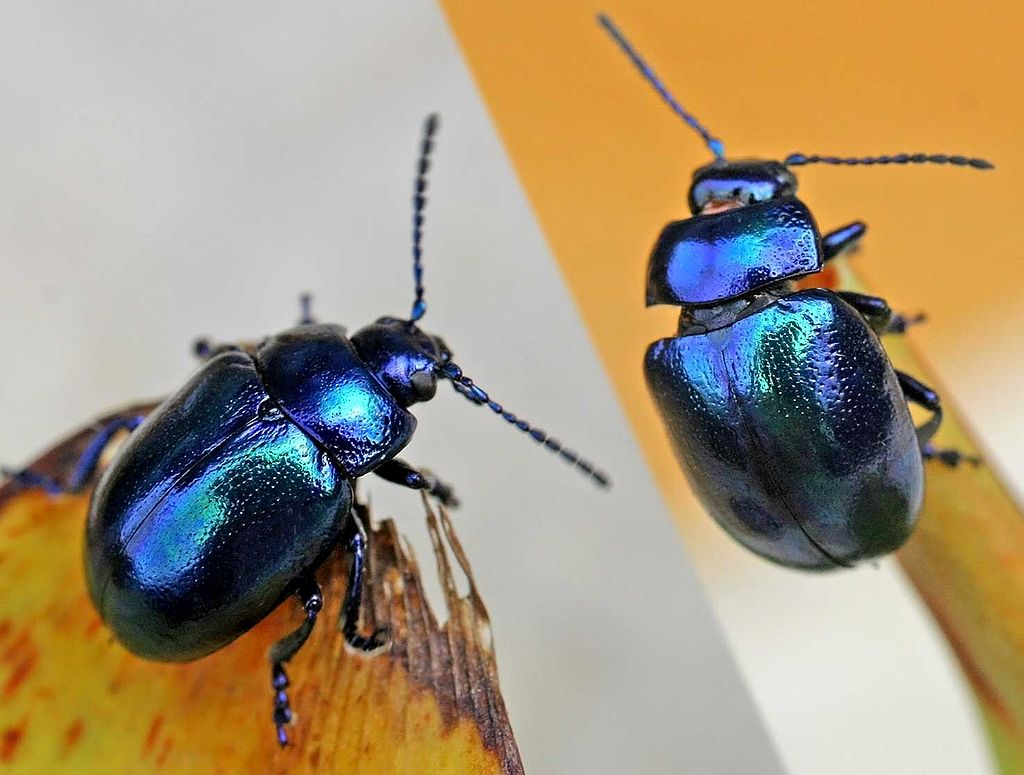
Chrysolina beetles, including Chrysolina coerulans, have cardiac glycosides (including xylose) in their defensive glands
The defensive secretions of some chrysomelid beetles belonging to the genera Chrysolina, Chrysochloa, and Dlochrysa contain complex mixtures of cardenolides. The spectral data for some of these compounds suggest that…
Xylose is the first saccharide added to the serine or threonine in the proteoglycan type O-glycosylation
Xylose is the first saccharide added to the serine or threonine in the proteoglycan type O-glycosylation, and, so, it is the first saccharide in biosynthetic pathways of most anionic polysaccharides such as heparan sulfate and chondroitin sulfate. Definitions Proteoglycans are proteins that are heavily glycosylated. The…
Xylose is the main building block for the hemicellulose
Xylose is the main building block for the hemicellulose xylan, which comprises about 30% of some plants (birch for example), far less in others (spruce and pine have about 9% xylan). Xylose…
Reduction of xylose by catalytic hydrogenation produces the sugar substitute xylitol
Xylose (cf. Ancient Greek: ξύλον, xylon, “wood”) is a sugar first isolated from wood, and named for it. Xylose is classified as a monosaccharide of the aldopentose type, which means that it contains five carbon atoms and includes an aldehyde functional group.…