

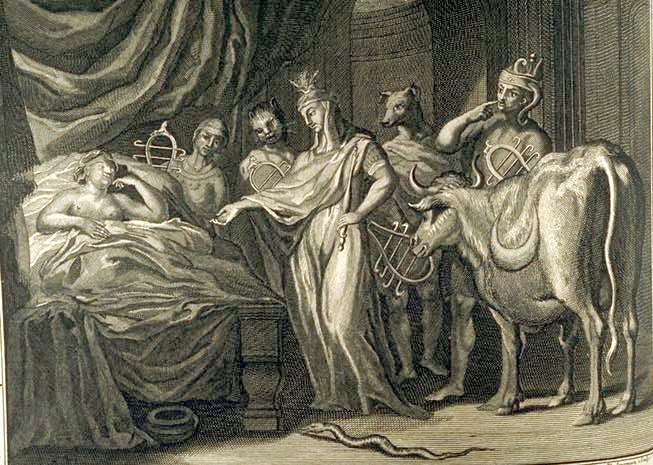
Iphis Notes
In Greek and Roman mythology, Iphis or Iphys was a child of Telethusa and Ligdus in Crete, born female and raised male, who was later transformed by the goddess Isis into a man. (/ˈaɪfɪs/ EYE-fis, /ˈɪfɪs/ IF-iss; Ancient Greek: Ἶφις Îphis [íi.pʰis], gen. Ἴφιδος Ī́phidos) Mythology According to the Roman poet Ovid‘s Metamorphoses,…
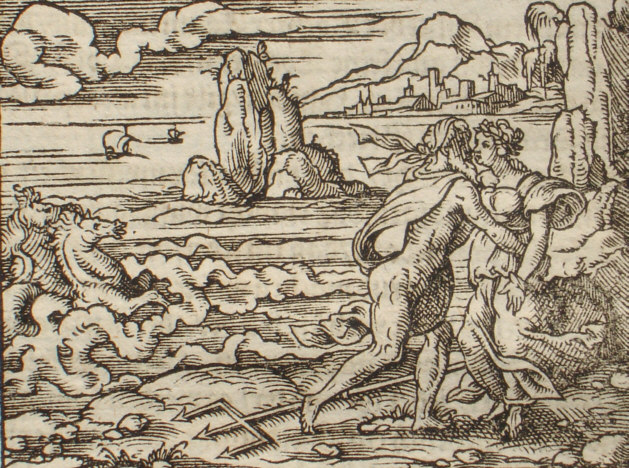
Caeneus, invincible transman in Greek mythology
In Greek mythology, Caeneus was a Lapith hero of Thessaly. Family According to Book XII of Ovid‘s Metamorphoses, he was originally a woman, Caenis (/ˈsiːnɪs/; Ancient Greek: Καινίς, romanized: Kainís), daughter of Atrax. In Apollonius of Rhodes‘ Argonautica, he is briefly noted as the great father of a…
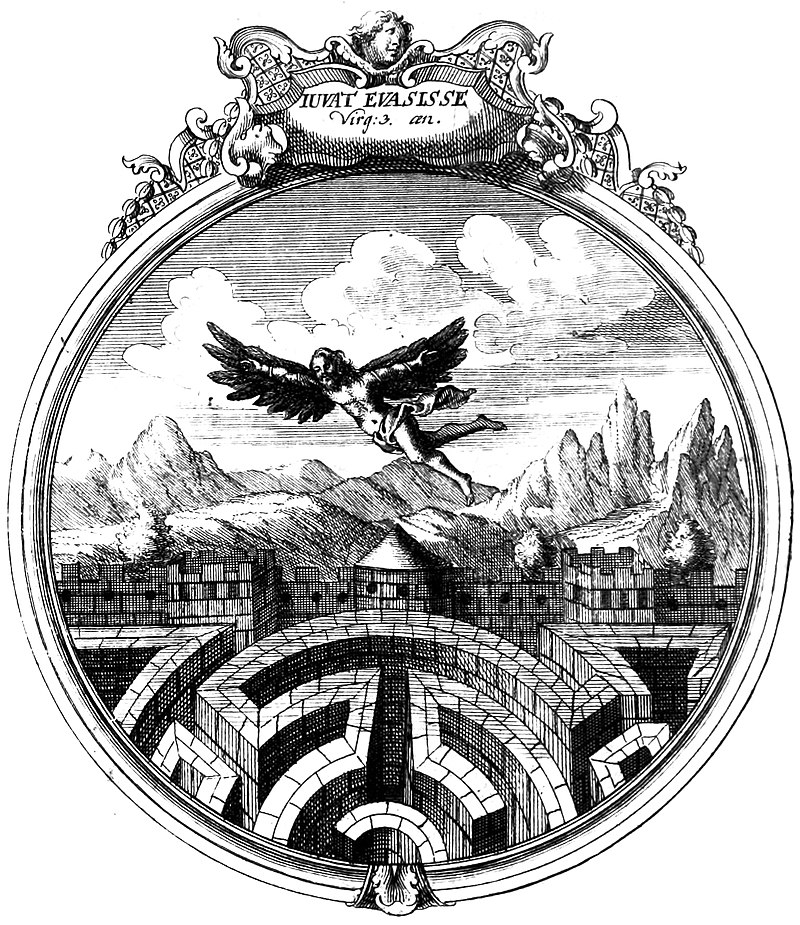
Daedalus (Greek mythology)
In Greek mythology, Daedalus (Greek: Δαίδαλος; Latin: Daedalus; Etruscan: Taitale) was a skillful architect and craftsman, seen as a symbol of wisdom, knowledge and power. He is the father of Icarus, the uncle of Perdix, and possibly also the…
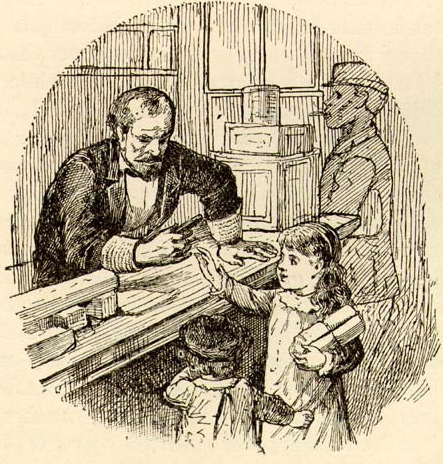
Lagniappe, “a word worth traveling to New Orleans to get”
A lagniappe is “a small gift given to a customer by a merchant at the time of a purchase” (such as a 13th doughnut on purchase of a dozen), or more broadly,…
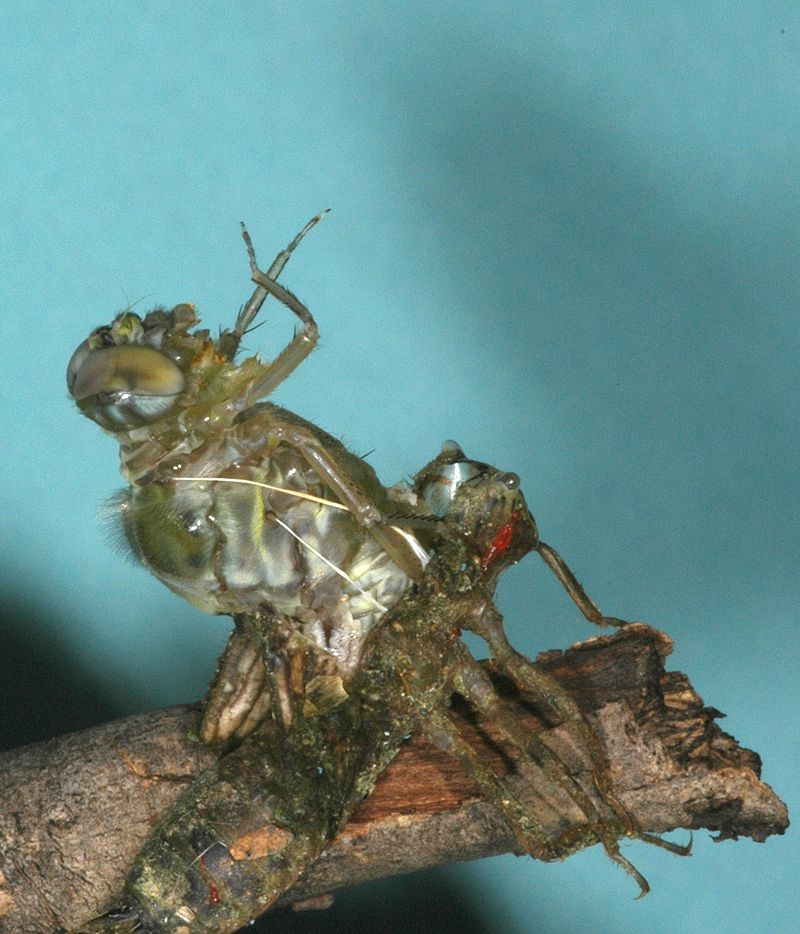
Moulting was known as mewing in medieval times
In biology, moulting (British English), or molting (American English), also known as sloughing, shedding, or in many invertebrates, ecdysis, is the manner in which an animal routinely casts off a part of its body (often, but not always, an…
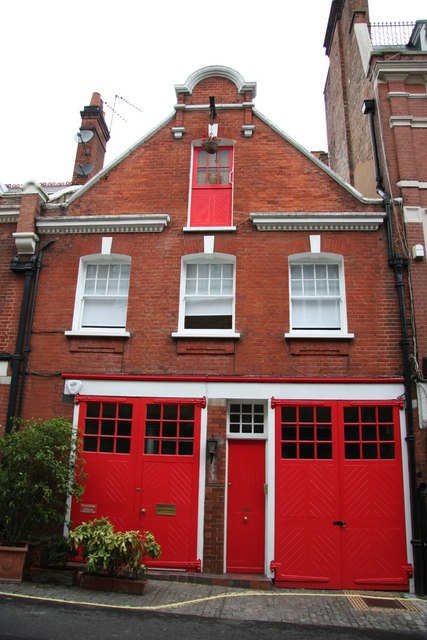
Mews derives from the French muer, ‘to moult’
A mews is a row or courtyard of stables and carriage houses with living quarters above them, built behind large city houses before motor vehicles replaced horses in the early twentieth century. Mews are usually located…
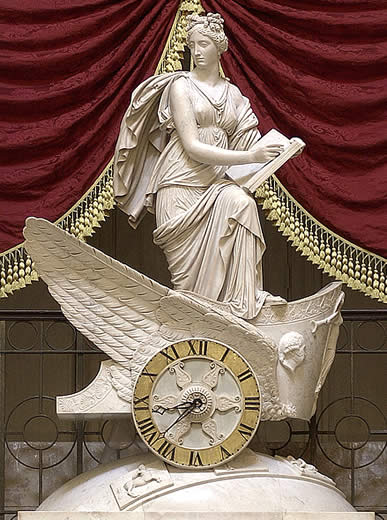
Car of History chariot clock features a life size statue of Clio, the muse of history
A chariot clock is a type of mantel/table figural clock in the form of a chariot whose dial is set into the wheel or elsewhere, its origins date back to the second half of the 16th century…