

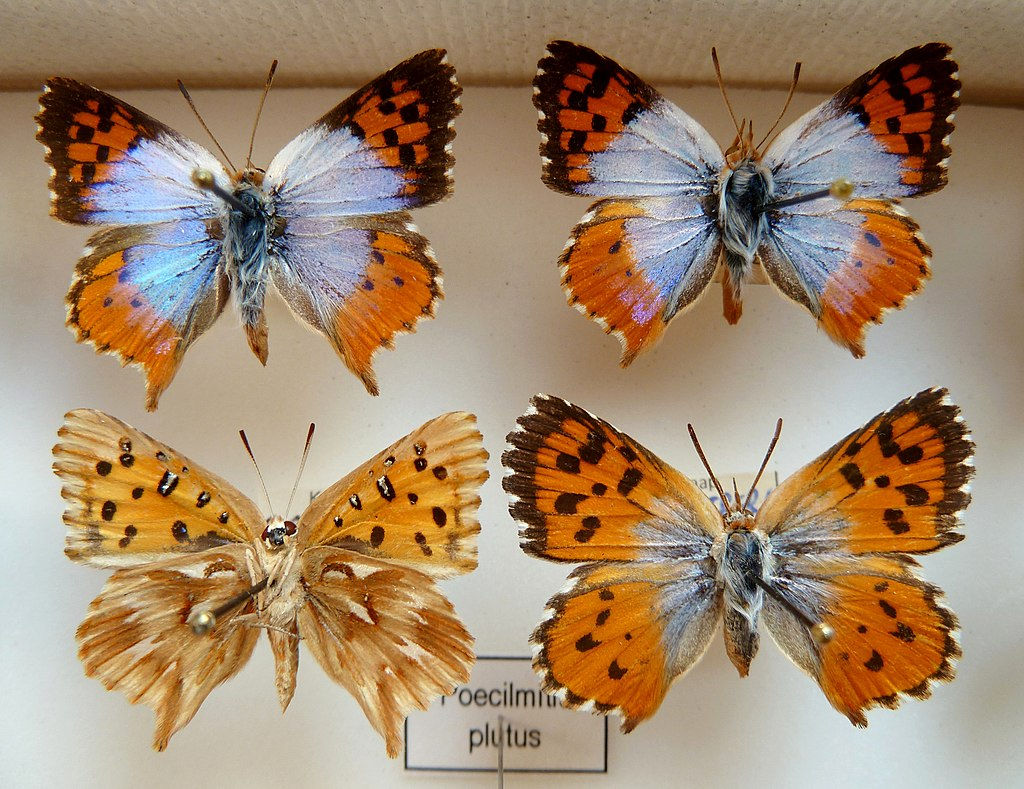
Plutus opal butterflies and black cocktail ants
Chrysoritis plutus, the Plutus opal, is a butterfly of the family Lycaenidae found only in South Africa. The wingspan is 24–28 mm for males and 26–35 mm for females. Flight period is two broods from August to December and January…
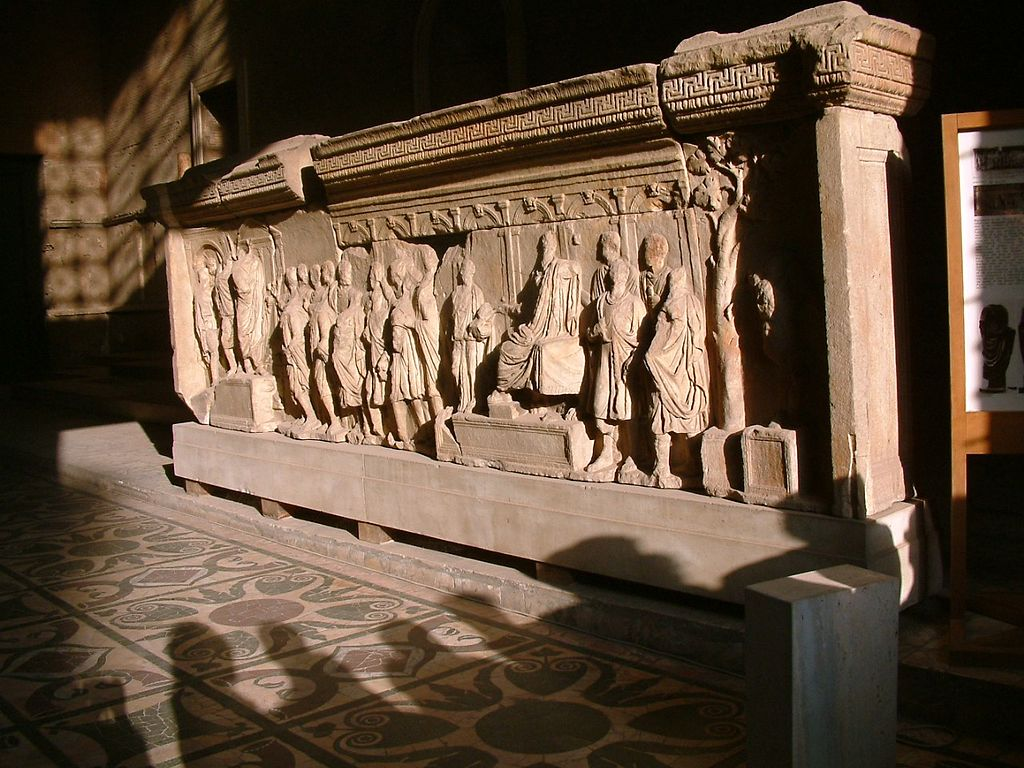
Pluteus (sculpture)
In architecture and sculpture, a pluteus (plural plutei) is a balustrade made up of massive rectangular slabs of wood, stone or metal, which divides part of a building in half; in a church they fulfil the…
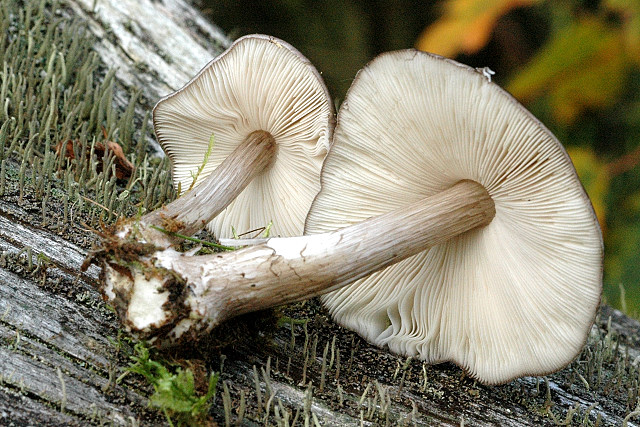
Pluteus is a large genus of fungi with over 300 species
Pluteus is a large genus of fungi with over 300 species. They are wood rotting saprobes with pink spore prints and gills that are free from the stem. Etymology The Latin word Pluteus means shed or penthouse. Characteristics of the Pluteus genus are: Pluteus is separated from Volvariella due to…
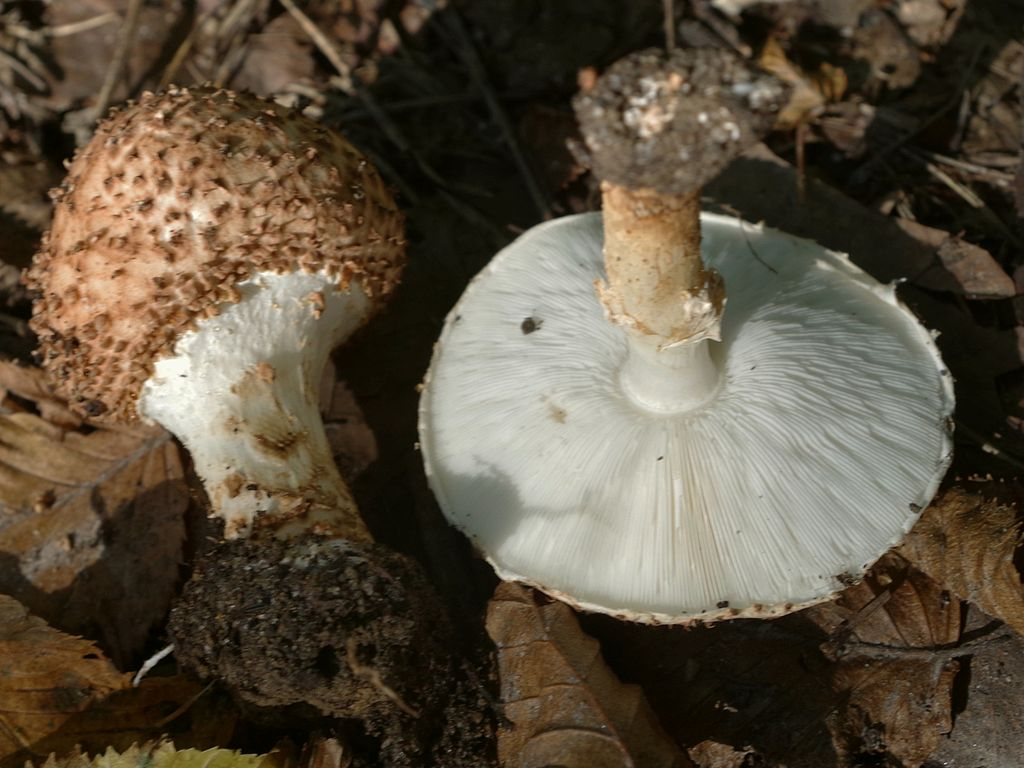
Echinoderma is a genus of fungi
Echinoderma is a genus of fungi in the family Agaricaceae. Its members were for a long time considered to belong to genus Lepiota and the group was then circumscribed by French mycologist Marcel Bon in 1981 as a subgenus of Cystolepiota before he raised it to…
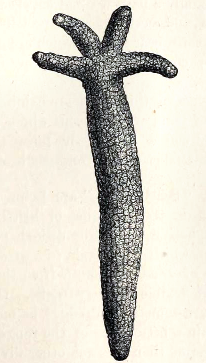
Echinoderm reproduction and pluteus larva
An echinoderm is any member of the phylum Echinodermata. The adults are recognisable by their (usually five-point) radial symmetry, and include starfish, brittle stars, sea urchins, sand dollars, and sea cucumbers, as well as the sea lilies or “stone lilies”. Adult echinoderms…
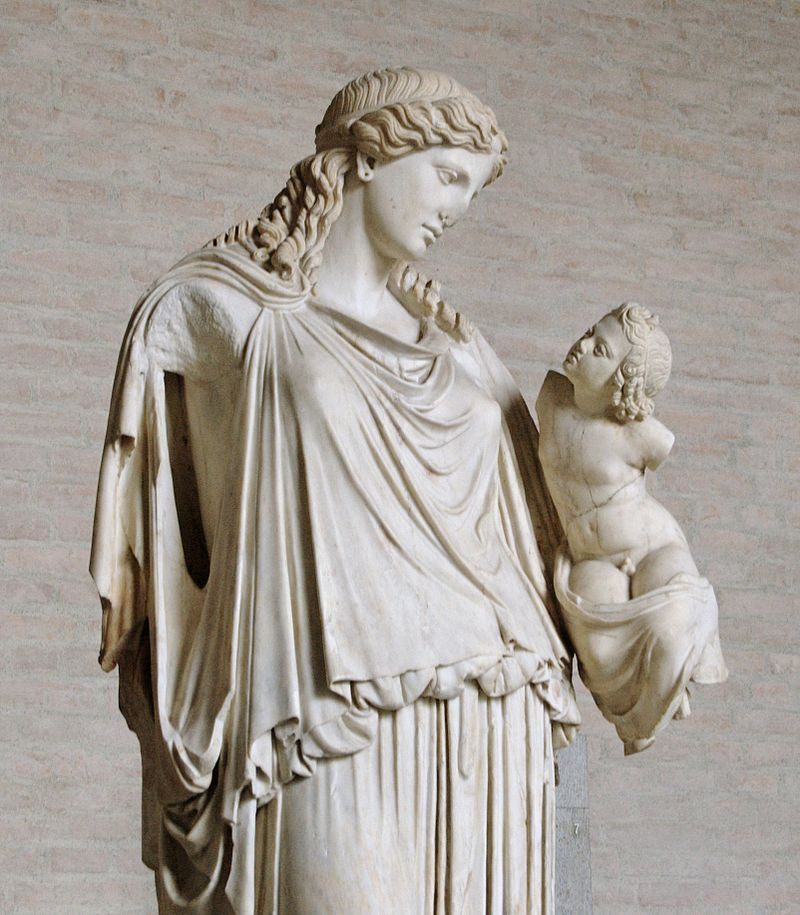
Plutus Notes
In ancient Greek religion and mythology, Plutus (Ploûtos, lit. “wealth”) is the god and the personification of wealth, and the son of the goddess of agriculture Demeter and the mortal Iasion. Family Plutus is most commonly the son of Demeter and Iasion, with whom she lay in a…
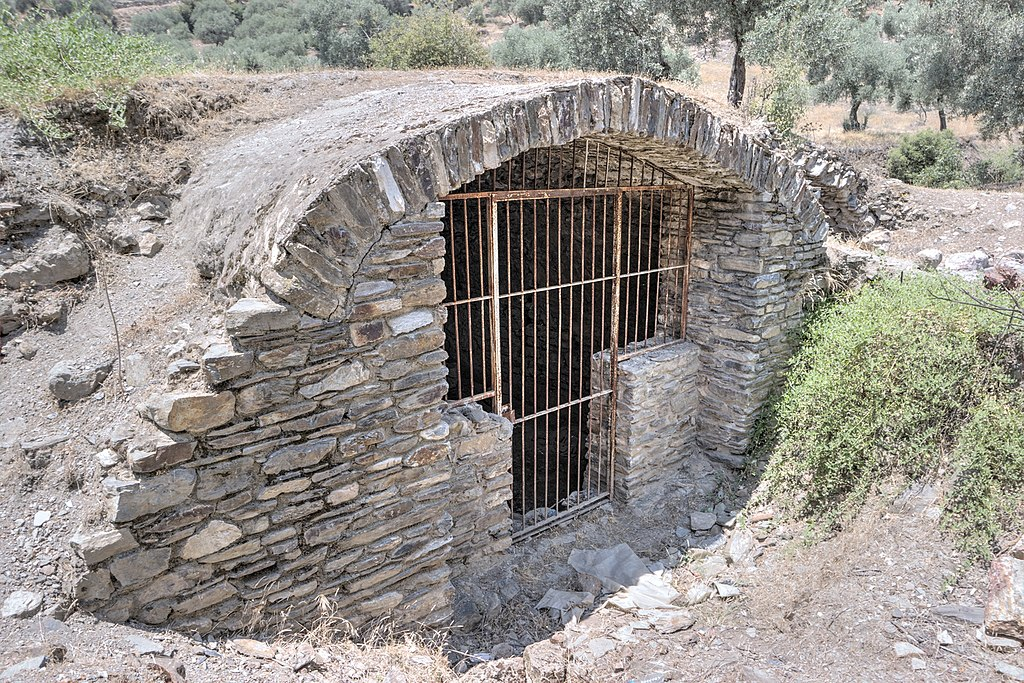
Acharaca was a village of ancient Lydia with a Ploutonion or a temple of Pluto and a cave named Charonium
Acharaca was a village of ancient Lydia, Anatolia on the road from Tralles (modern Aydın, Turkey) to Nysa on the Maeander, with a Ploutonion or a temple of Pluto, and a cave, named Charonium (Ancient Greek: Χαρώνειον άντρον), where the…
Charonium at Aornum
Aornum was an oracle in Ancient Greece, located in Thesprotia in a cave called Charonium (Χαρώνειον ἄντρον or χάσμα) which gave forth poisonous vapours. The name of the cave, “Charon‘s Cave”, reflects the belief that it was…
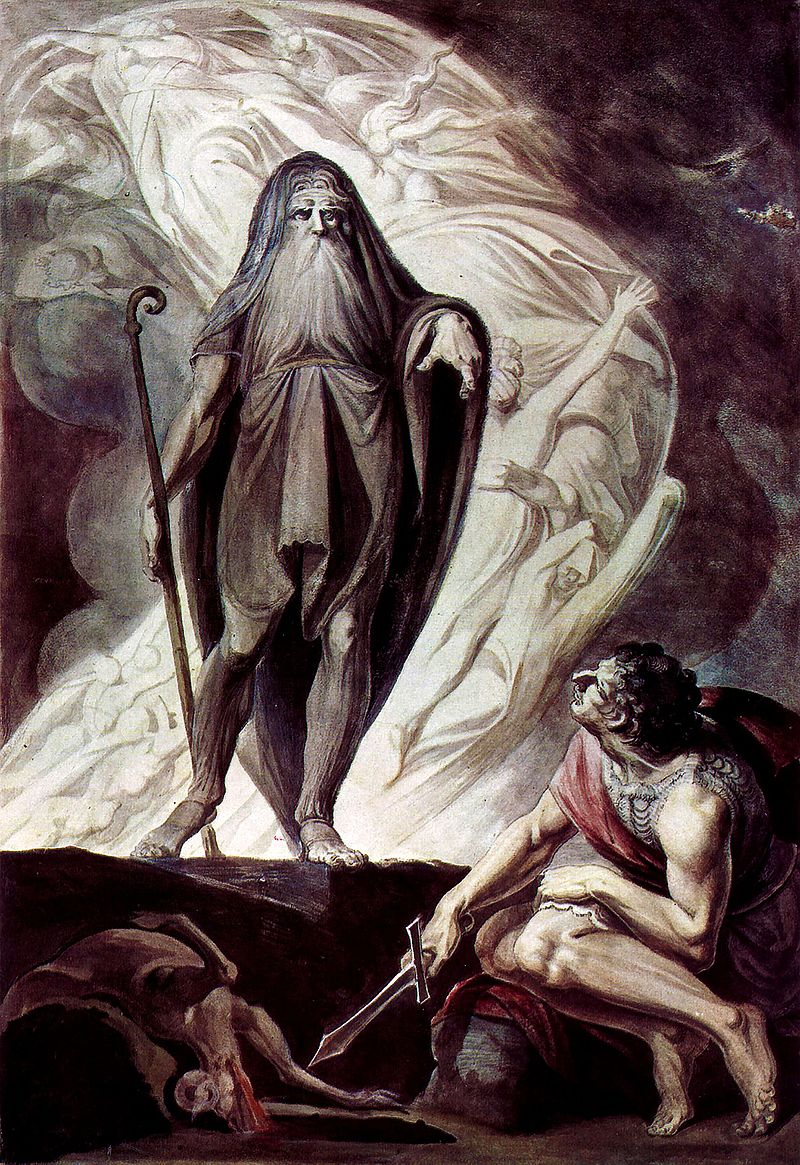
Tiresias was a blind prophet who was transformed into a woman for seven years
In Greek mythology, Tiresias was a blind prophet of Apollo in Thebes, famous for clairvoyance and for being transformed into a woman for seven years. He was the son of the shepherd Everes and the nymph Chariclo. Tiresias participated fully in seven generations in Thebes,…
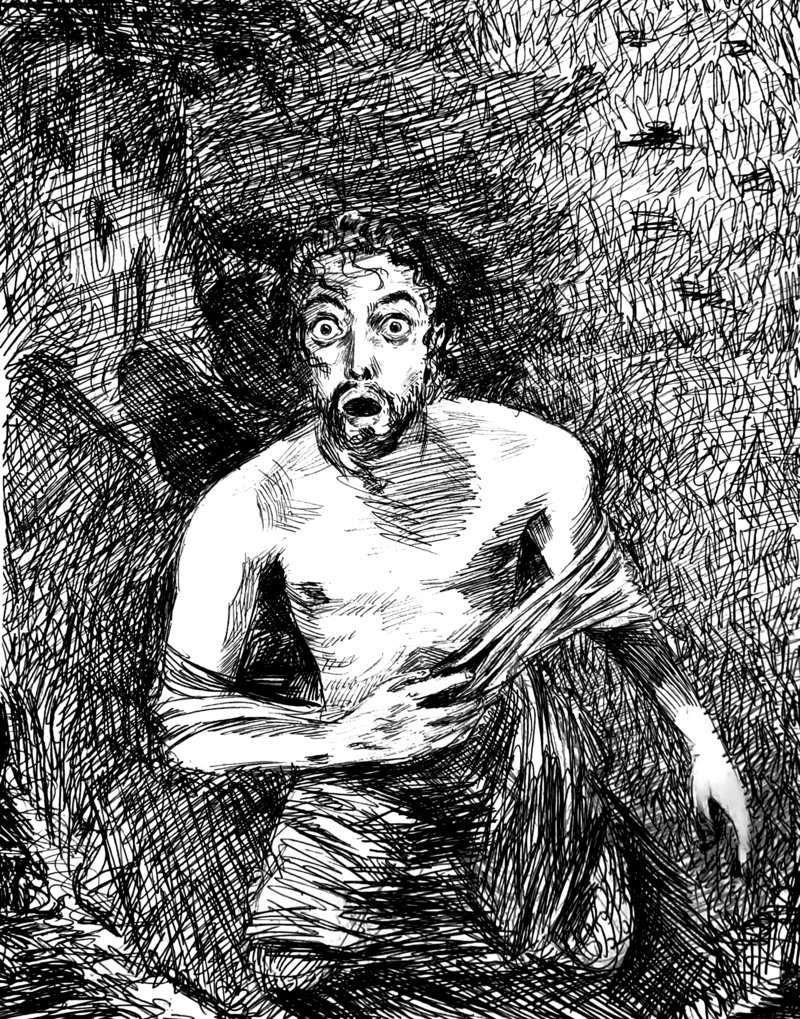
In Greek mythology, Leucippus is notable for a magical gender transformation
In Greek mythology, Leucippus (Ancient Greek: Λεύκιππος Leukippos, “white horse”) was a young man of Phaestus, Crete. Leucippus was born to Lamprus, the son of Pandion, and Galatea, daughter of Eurytius the son of Sparton. He is notable for having…