
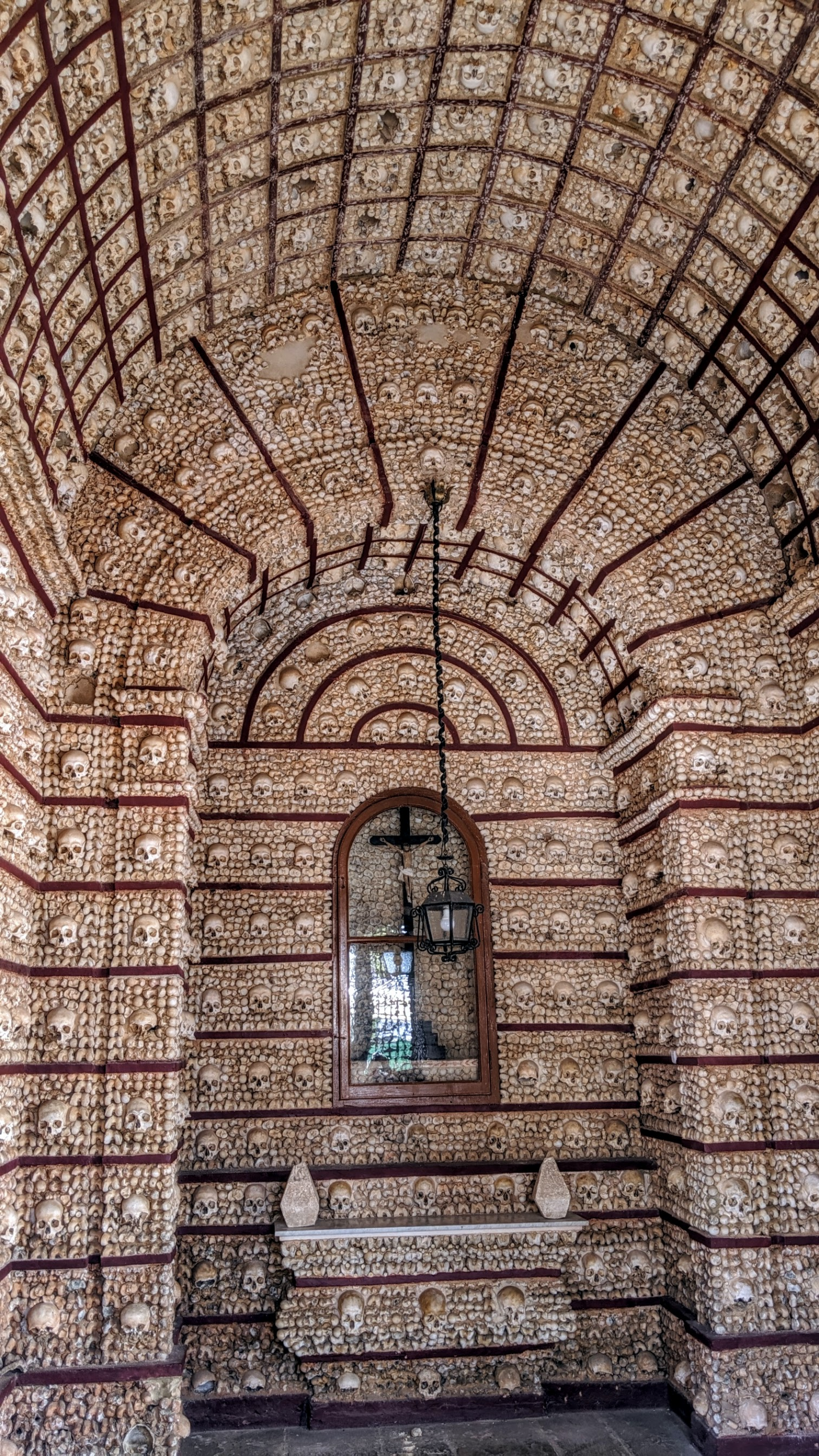
Chapel of Bones (Faro, Portugal)
The Capela dos Ossos (English: Chapel of Bones) is an ossuary chapel in Faro, Portugal, which belongs to the 18th century Carmelite church Nossa Senhora do Carmo. Above the entrance, there is the following inscription: Pára aqui a considerar…
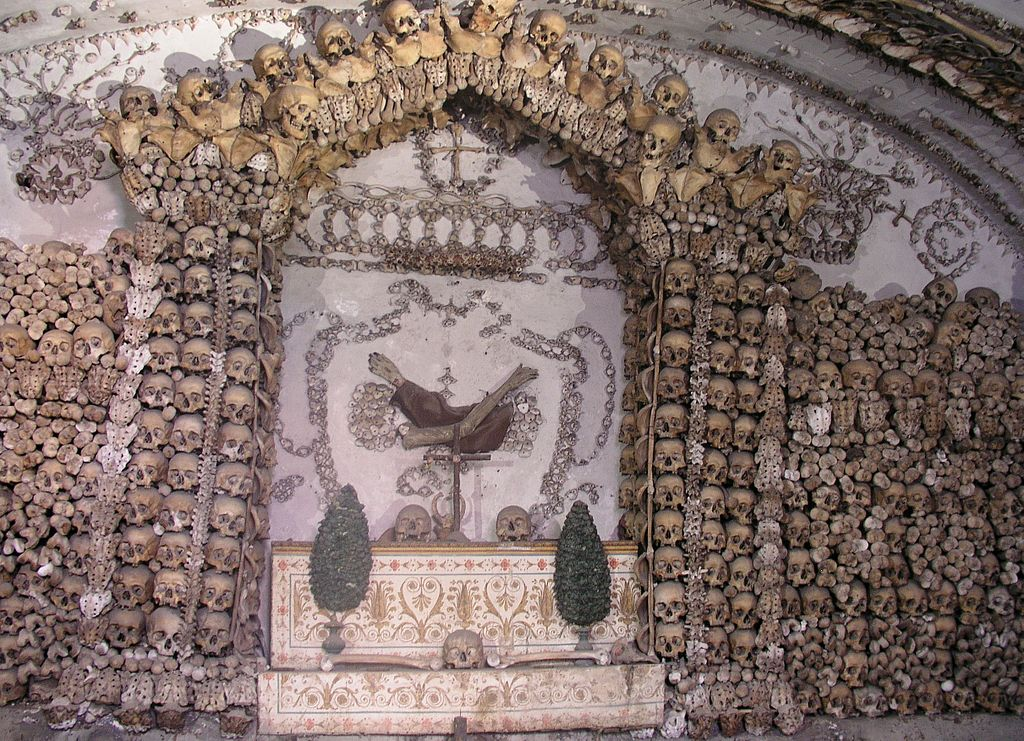
The Capuchin Crypt, Rome
The Capuchin Crypt is a small space comprising several tiny chapels located beneath the church of Santa Maria della Concezione dei Cappuccini on the Via Veneto near Piazza Barberini in Rome, Italy. It contains the skeletal remains of…
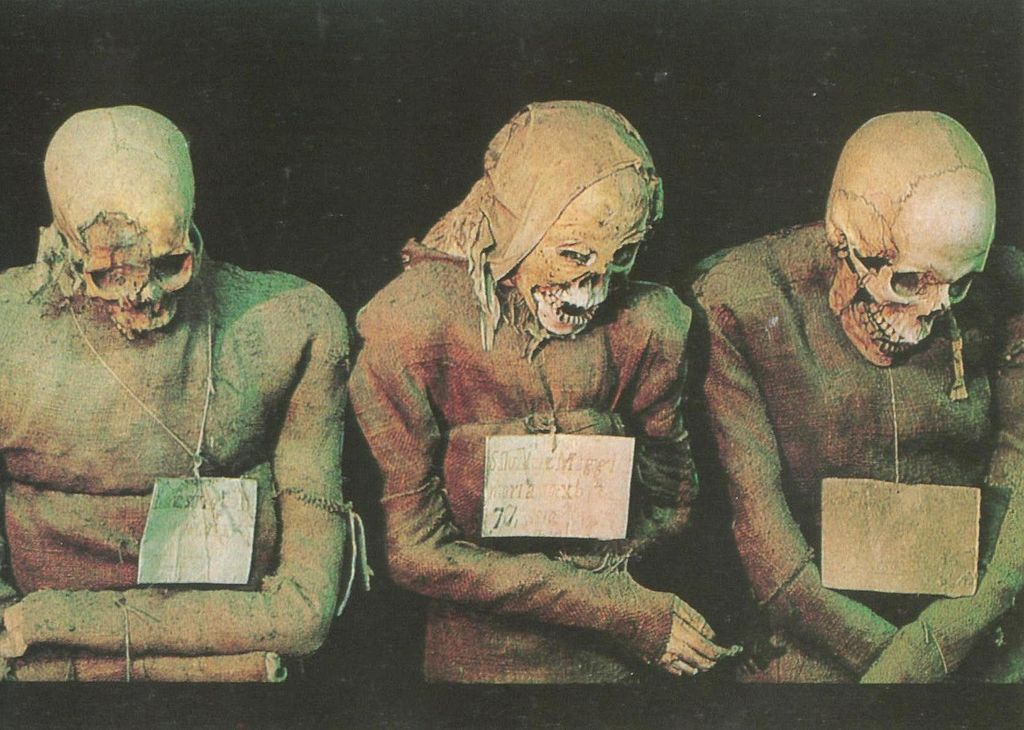
The Capuchin Catacombs of Palermo
The Capuchin Catacombs of Palermo (also Catacombe dei Cappuccini or Catacombs of the Capuchins) are burial catacombs in Palermo, Sicily, southern Italy. Today they provide a somewhat macabre tourist attraction as well as an extraordinary historical record. Historical background Palermo’s Capuchin monastery outgrew its original cemetery in…
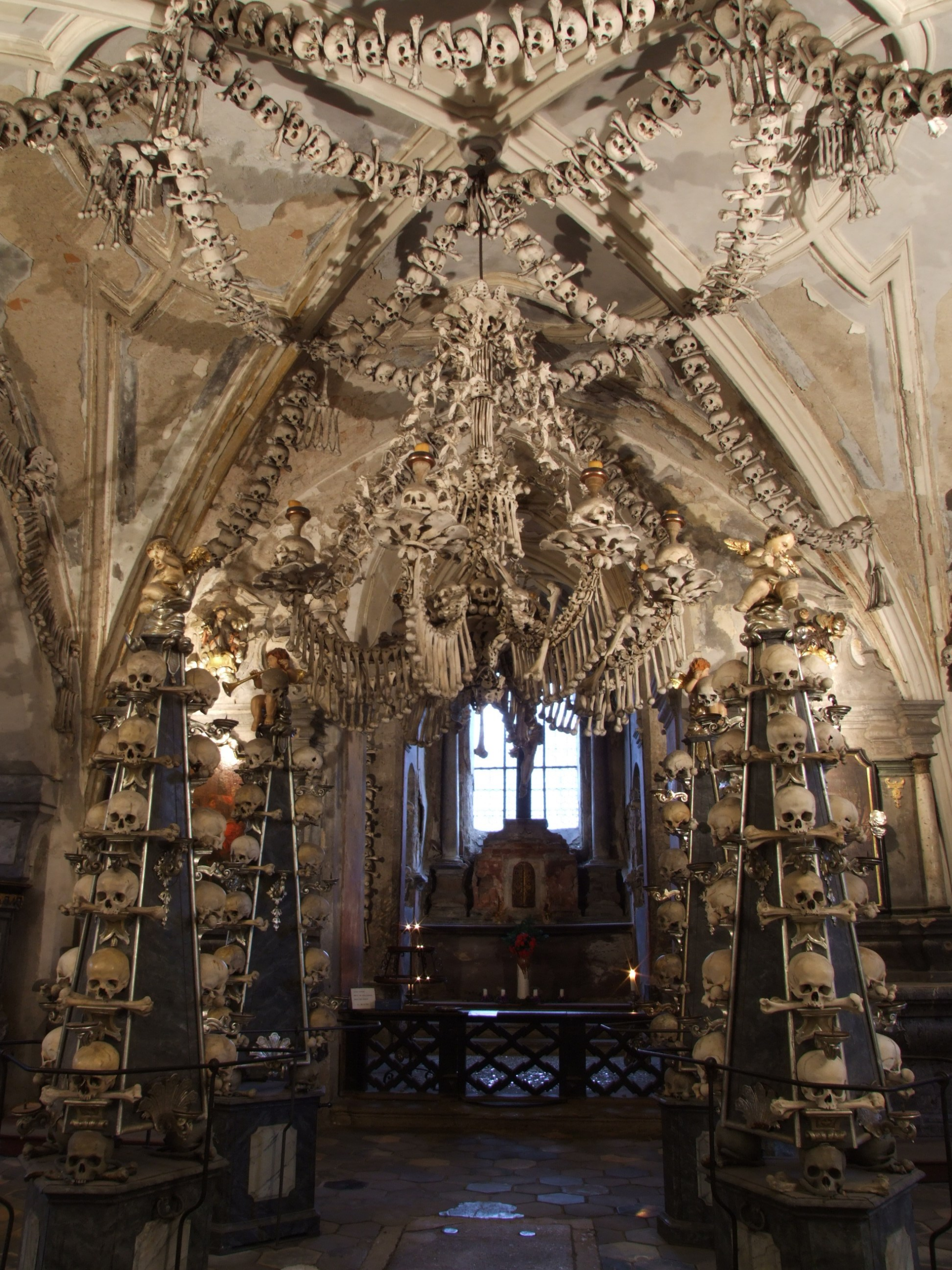
The Sedlec Ossuary (Czech Republic)
The Sedlec Ossuary (Czech: Kostnice v Sedlci; German: Sedletz-Beinhaus) is a Roman Catholic chapel, located beneath the Cemetery Church of All Saints (Czech: Hřbitovní kostel Všech Svatých), part of the former Sedlec Abbey in Sedlec, a suburb of Kutná Hora in the Czech…
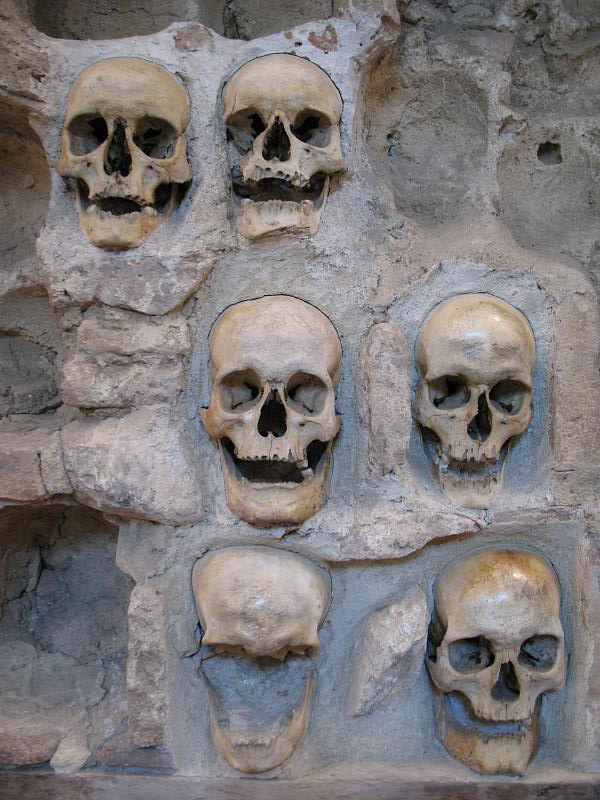
Skull Tower (Niš, Serbia)
Skull Tower (Ćele kula) is a stone structure embedded with human skulls located in Niš, Serbia. It was constructed by the Ottoman Empire following the Battle of Čegar of May 1809, during the First Serbian Uprising. During the battle, Serbian…
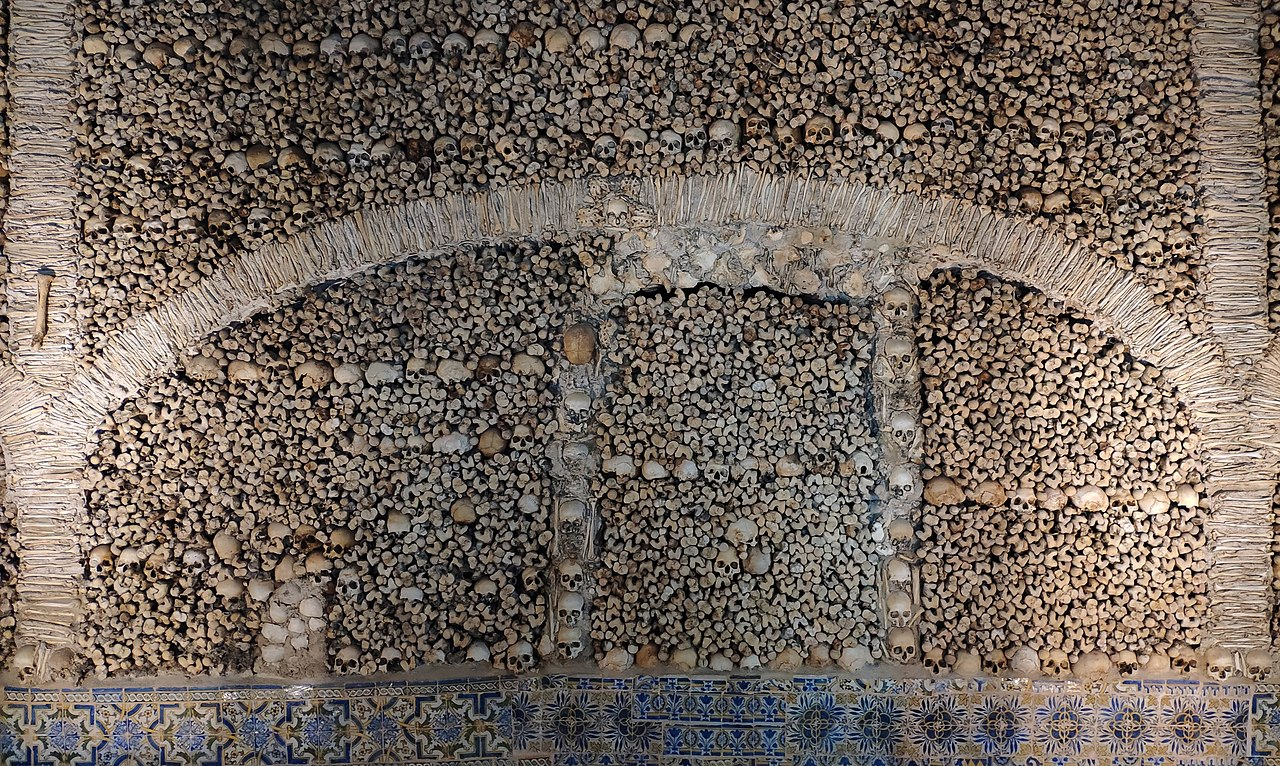
Chapel of Bones is one of the best-known monuments in Évora, Portugal
The Capela dos Ossos (English: Chapel of Bones) is one of the best-known monuments in Évora, Portugal. It is a small interior chapel located next to the entrance of the Church of St. Francis.…
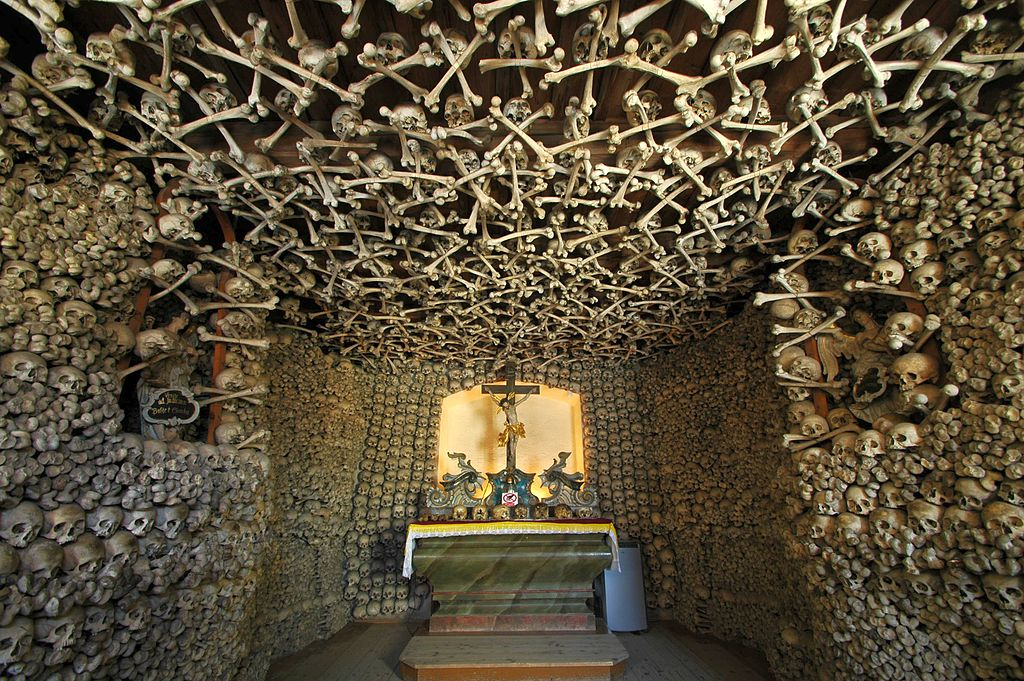
Skull Chapel or St. Bartholomew’s Church is a mass grave in Poland
The Skull Chapel (Polish: Kaplica Czaszek) or St. Bartholomew’s Church, is an ossuary chapel located in the Czermna district of Kudowa-Zdrój, Poland. Built in Baroque style in the last quarter of the 18th century, the temple serves as a mass grave with…
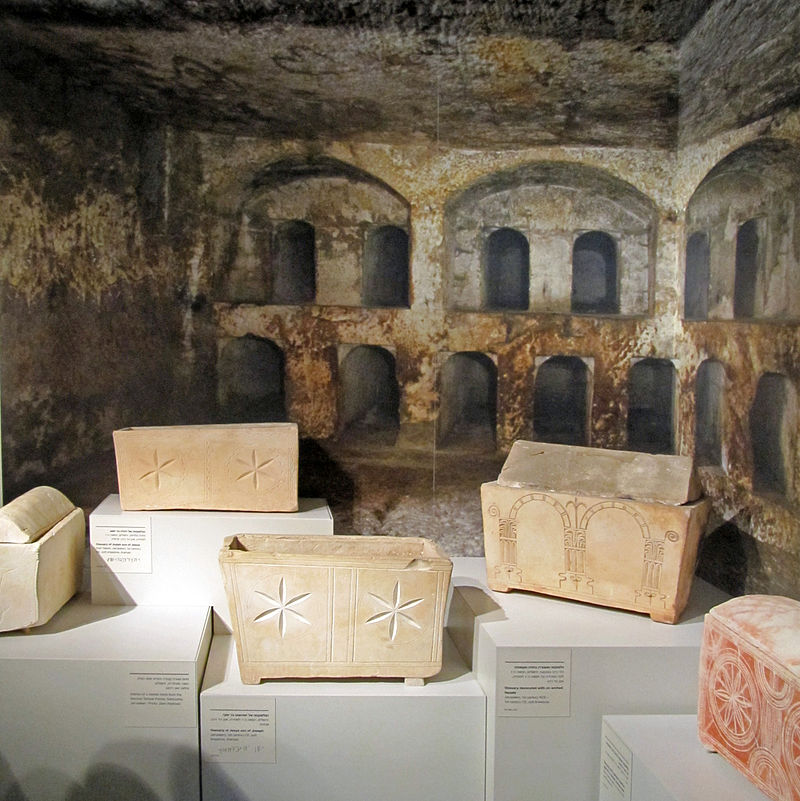
Ossuary
An ossuary is a chest, box, building, well, or site made to serve as the final resting place of human skeletal remains. They are frequently used where burial space is scarce. A body is…
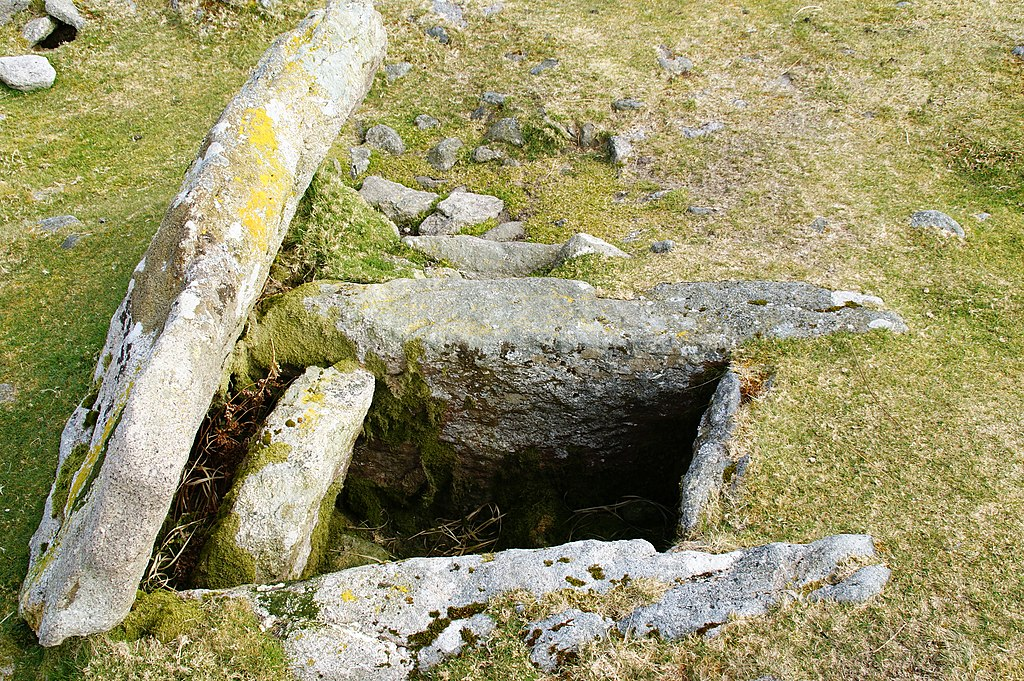
Kist or Cist and Kistivan
A kistvaen or cistvaen is a tomb or burial chamber formed from flat stone slabs in a box-like shape. If set completely underground, it may be covered by a tumulus. The word is derived from the Welsh cist (chest) and maen (stone). The term originated…
Passage graves – neolithic luxury condos for the dead
Imagine you’re a Neolithic farmer with a flair for architecture and a penchant for dramatic burials. What do you build? A passage grave, of course! These stone-age structures are the…

Secondary burial is a feature of prehistoric and historic gravesites which refers to an exhumation and reburial
The secondary burial (German: Nachbestattung or Sekundärbestattung), or “double funeral” (not to be confused with double burial in which two bodies are interred together) is a feature of prehistoric and historic gravesites. The term refers to remains that…
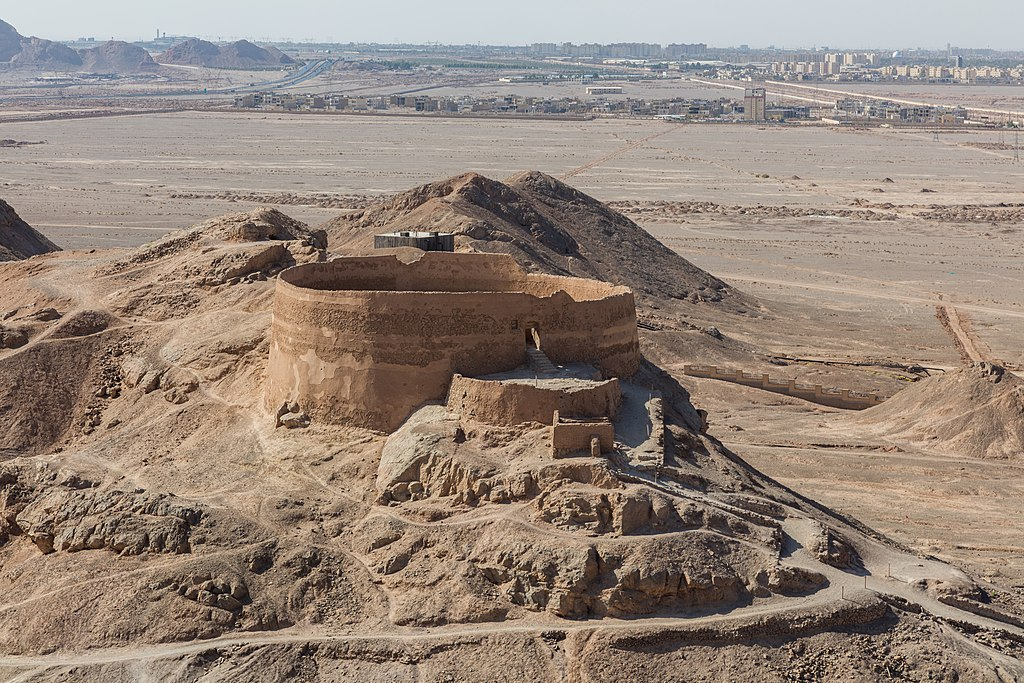
Nasu aka Nasa (Zoroastrianism) and Tower of Silence
Nasu (Also; Druj Nasu, Nasa, Nas, Nasuš) is the Avestan name of the female Zoroastrian demon (daeva) of corpse matter. She resides in the north (Vendidad. 7:2), where the Zoroastrian hell lies. Nasu takes the…