

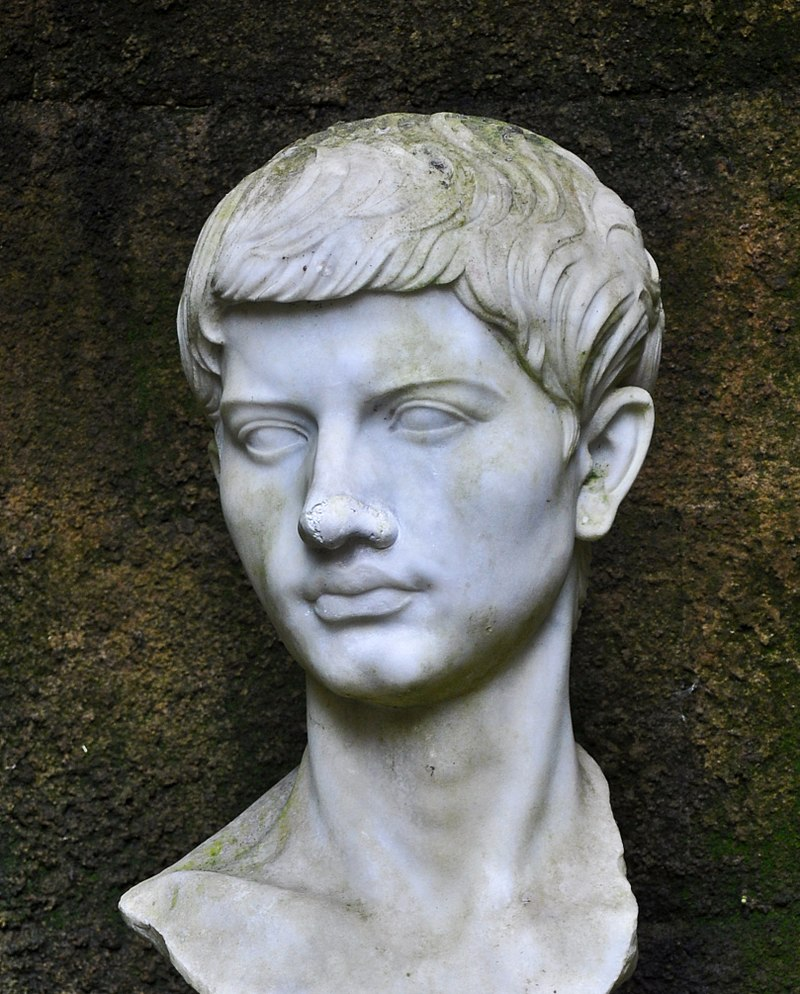
Virgil was a sorcerer?
Publius Vergilius Maro (traditional dates 15 October 70 – 21 September 19 BC), usually called Virgil or Vergil in English, was an ancient Roman poet of the Augustan period. He composed three of the most famous poems in Latin literature:…
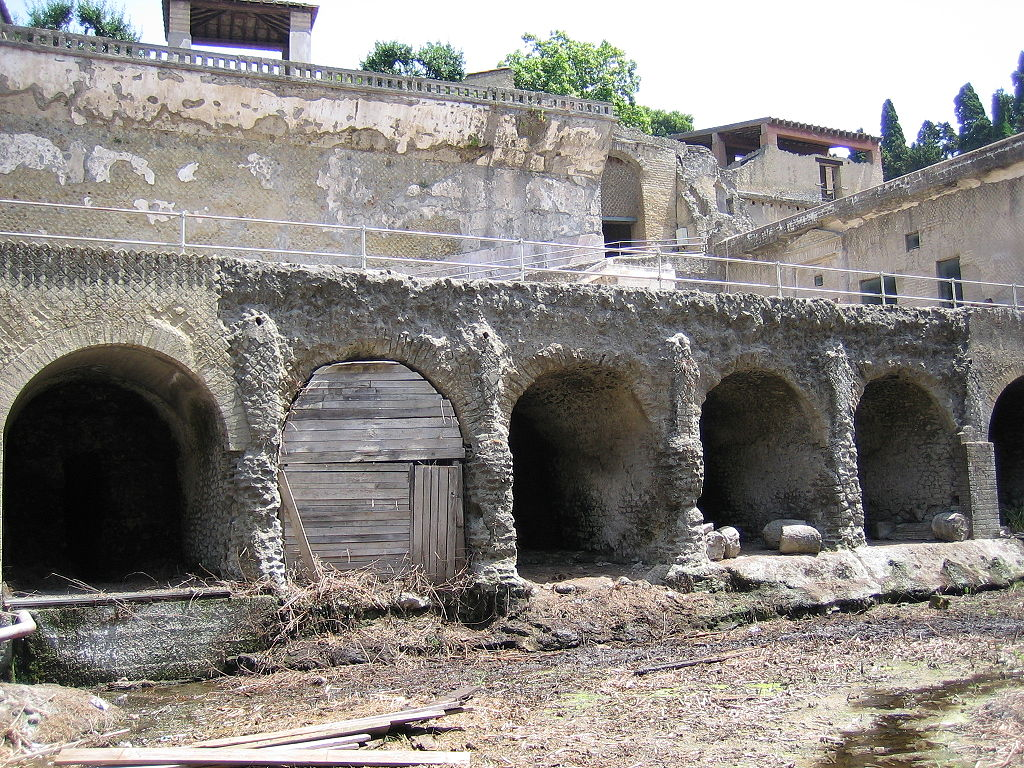
Herculaneum was an ancient Roman town buried under volcanic ash and pumice in the Eruption of Mount Vesuvius in 79 AD.
Herculaneum (Neapolitan and Italian: Ercolano) was an ancient Roman town, located in the modern-day comune of Ercolano, Campania, Italy. Herculaneum was buried under volcanic ash and pumice in the Eruption of Mount Vesuvius in 79 AD. Like the nearby city of Pompeii,…
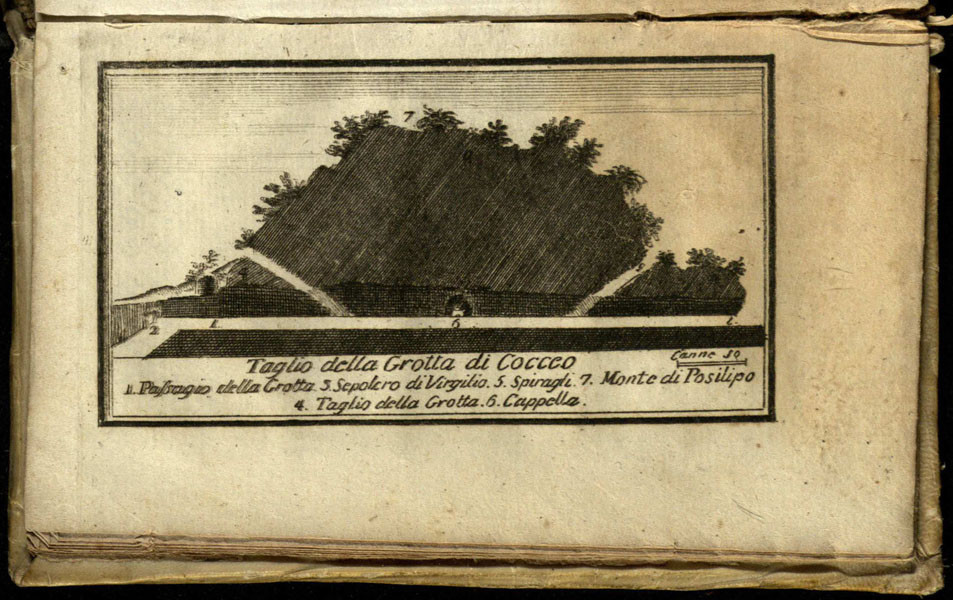
The Grotta di Cocceio is an ancient Roman tunnel connecting Lake Avernus with Cumae, dated 38-36 BC
The Grotta di Cocceio (Cocceius’ Tunnel) is an ancient Roman tunnel nearly a kilometre in length connecting Lake Avernus with Cumae and dating from 38-36 BC. It was burrowed through the tuff stone of Monte Grillo by the architect…
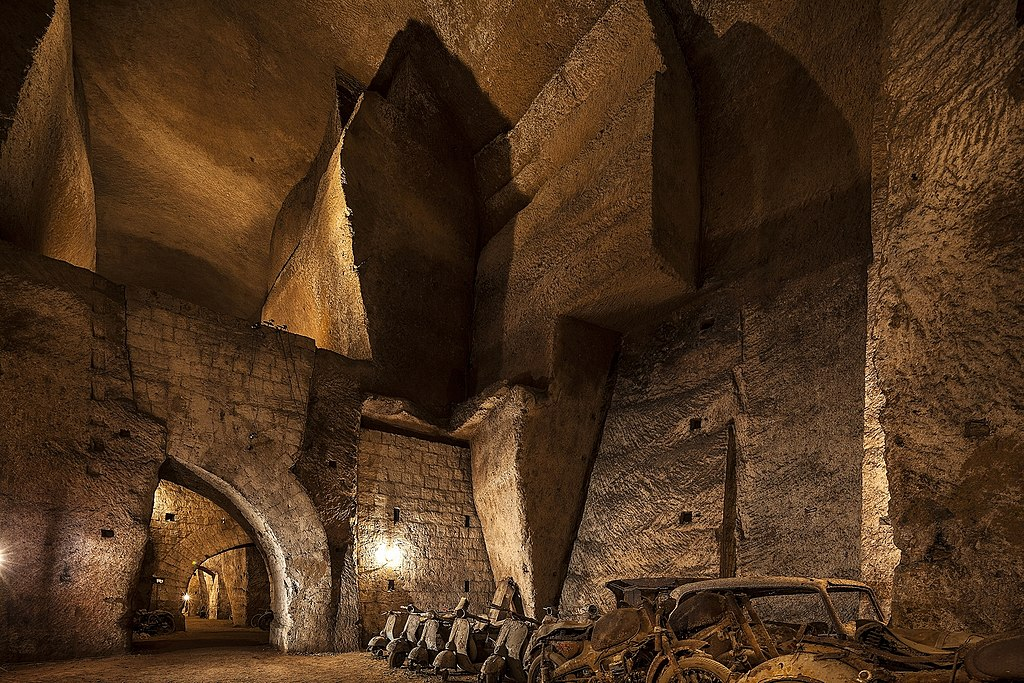
The Bourbon Tunnel
The Bourbon Tunnel, Tunnel Borbonico or Bourbon Gallery (Italian: Galleria Borbonica) is an ancient underground passage, constructed for military purposes to connect the Royal Palace to military barracks in Naples, Italy. The monarchy in the era of King Ferdinand II of…

Crypta Neapolitana, Virgil’s Tomb and more
The Crypta Neapolitana (Latin for “Neapolitan crypt”) is an ancient Roman road tunnel near Naples, Italy. It was built in 37 BC and is over 700 metres long. The tunnel connected Naples with the so-called Phlegrean Fields and the…
Catacombs of Saint Gaudiosus
Are you ready for a journey into the macabre underbelly of Naples? Welcome to the Catacombs of San Gaudioso, where the dead don’t just rest – they put on a…
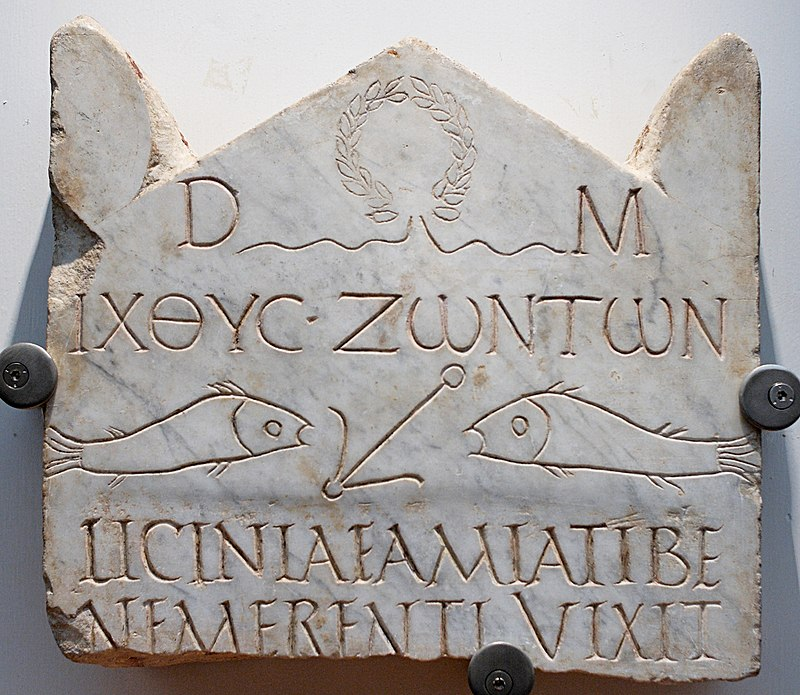
Manes or Di Manes
In ancient Roman religion, the Manes or Di Manes are chthonic deities sometimes thought to represent souls of deceased loved ones. They were associated with the Lares, Lemures, Genii, and Di Penates as deities (di) that pertained to domestic, local, and…
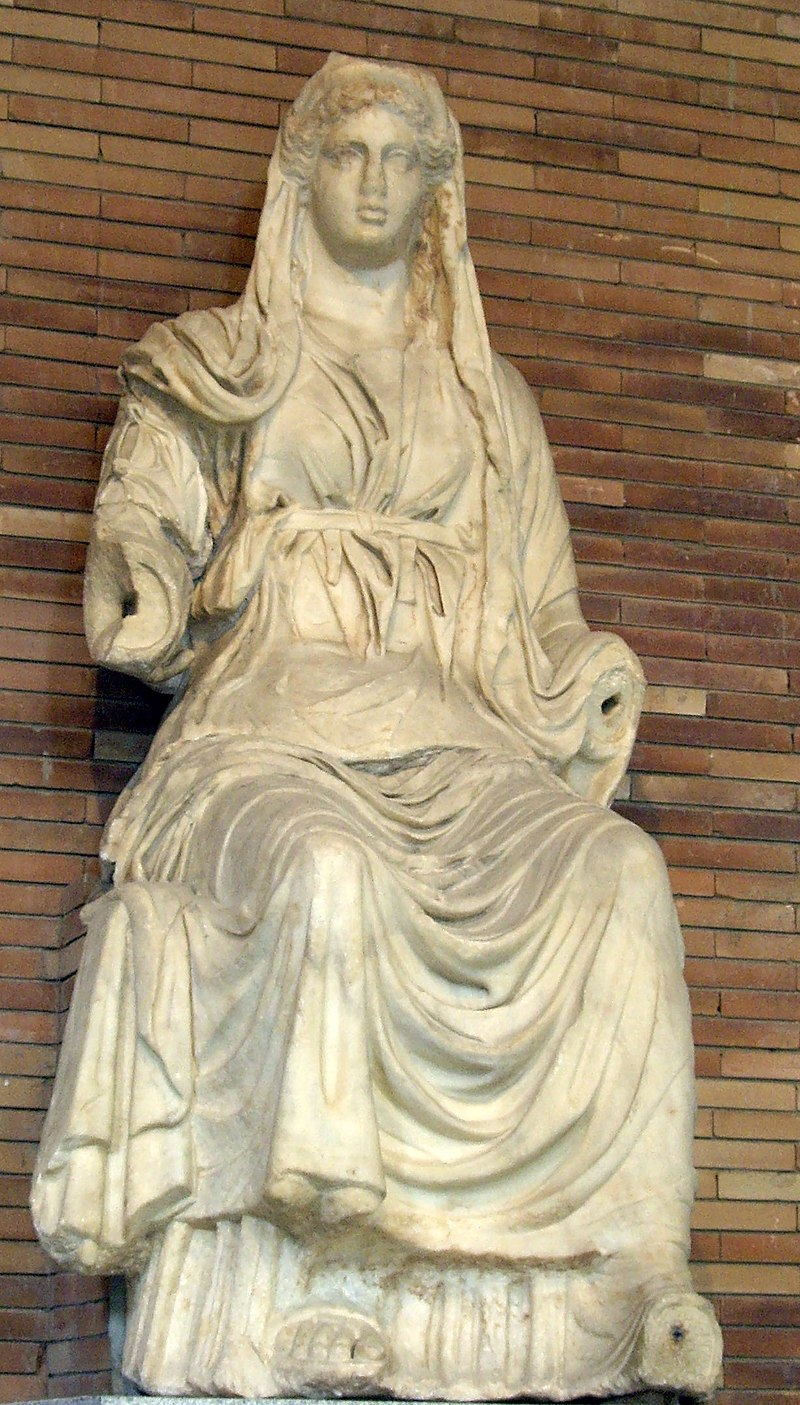
Ceres, Roman goddess
In ancient Roman religion, Ceres was a goddess of agriculture, grain crops, fertility and motherly relationships. She was originally the central deity in Rome’s so-called plebeian or Aventine Triad, then was paired with her daughter Proserpina in what Romans described as “the…
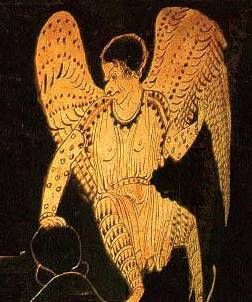
Keres, bloodthirsty death spirits in Greek Mythology
In Greek mythology, the Keres (/ˈkɪriːz/; Ancient Greek: Κῆρες), singular Ker (/ˈkɜr/; Κήρ), were female death-spirits. They were the goddesses who personified violent death and who were drawn to bloody deaths on battlefields. Although they were present…
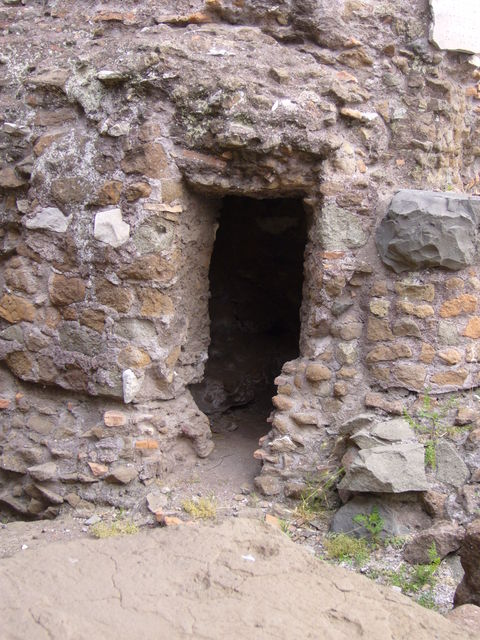
Umbilicus and Mundus (Roman Forum) and a depiction of Ceres holding a caduceus on a CSA $10 note
The Umbilicus Urbis Romae (“Navel of the City of Rome”) was the symbolic centre of the city from which, and to which, all distances in Ancient Rome were measured. It was situated in…