
The pineal gland as an APUD organ
It is only in recent years that the pineal gland has emerged from being thought of as non-functional and unimportant. The rise from obscurity has been the result of the…
Pineal gland notes
The pineal gland, conarium, or epiphysis cerebri, is a small endocrine gland in the brain of most vertebrates. The pineal gland produces melatonin, a serotonin-derived hormone which modulates sleep patterns in both circadian and seasonal cycles. The shape of the gland resembles a pine cone, which gives it…
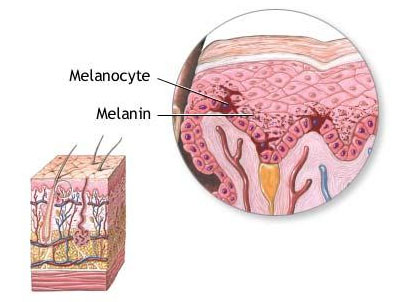
Cells in the APUD system may include melanocytes
Melanocytes are melanin-producing neural crest-derived cells located in the bottom layer (the stratum basale) of the skin’s epidermis, the middle layer of the eye (the uvea), the inner ear, vaginal epithelium, meninges, bones, and heart. Melanin is a dark pigment primarily responsible for skin color. Once synthesized, melanin is contained in…
Cells in the APUD system may include Juxtaglomerular cells (JG cells), the renin producing cells in the kidney
Juxtaglomerular cells (JG cells), also known as juxtaglomerular granular cells are cells in the kidney that synthesize, store, and secrete the enzyme renin. They are specialized smooth muscle cells mainly in the walls of the afferent arterioles (and some in the efferent arterioles)…
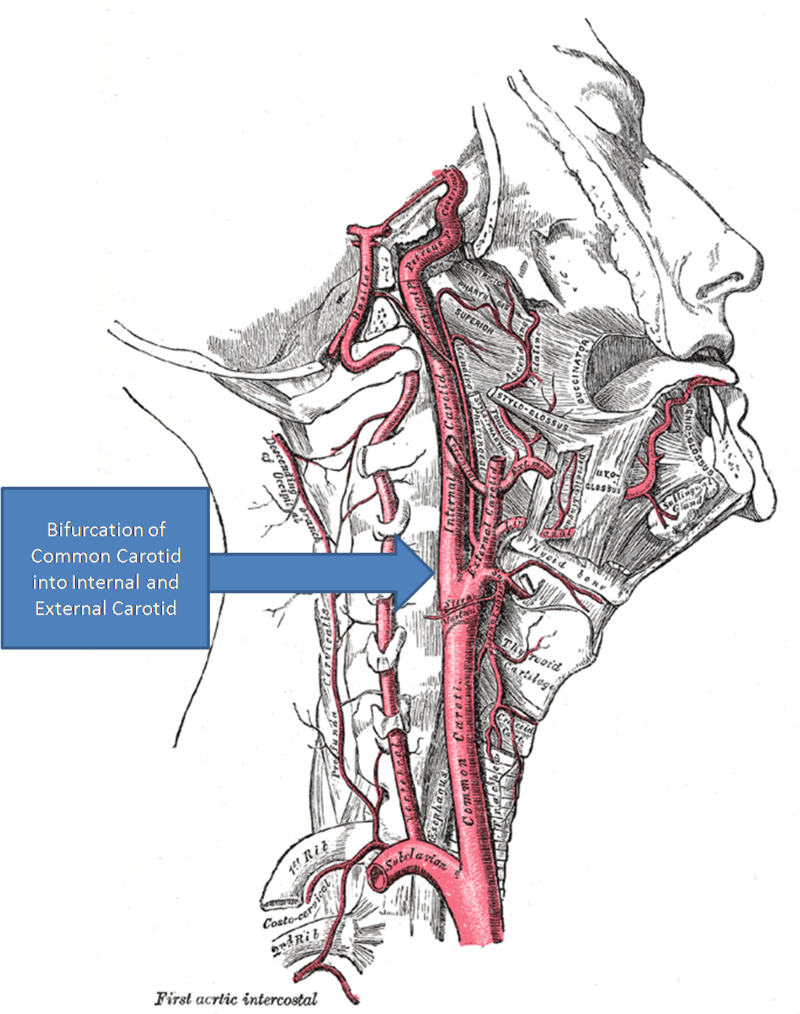
Carotid body glomus cells mediate essential reflex responses to arterial blood hypoxia
Glomus cells are the cell type mainly located in the carotid bodies and aortic bodies. Glomus type I cells are peripheral chemoreceptors which sense the oxygen, carbon dioxide and pH levels of the blood.…
The adrenal medulla is the principal site of the conversion of the amino acid tyrosine into the catecholamines; epinephrine, norepinephrine, and dopamine
The adrenal medulla (Latin: medulla glandulae suprarenalis) is part of the adrenal gland. It is located at the center of the gland, being surrounded by the adrenal cortex. It is the innermost part of the adrenal gland,…
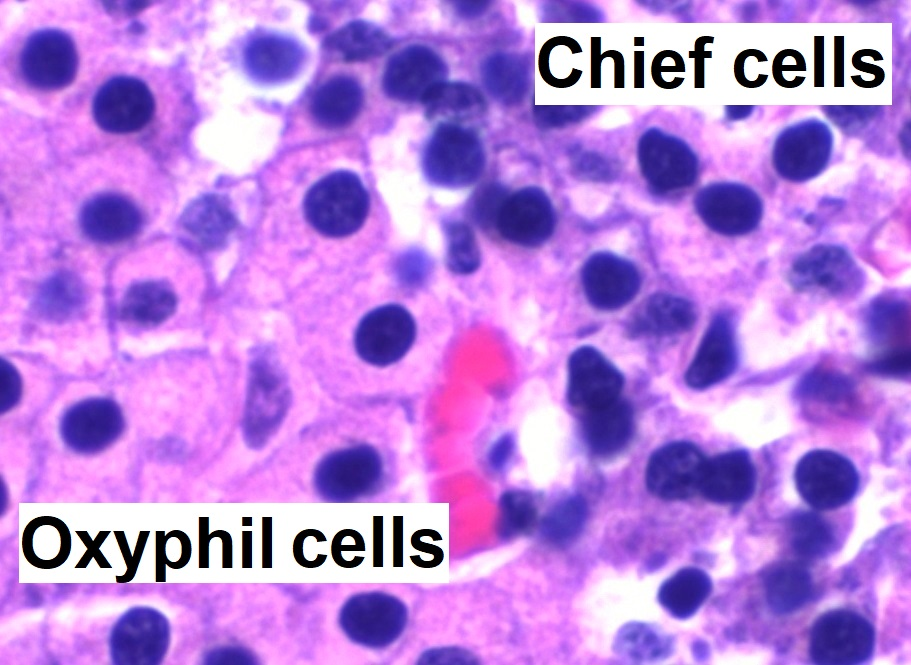
The chief cells of the parathyroid glands sense the amount of calcium in the blood, and release the calcium-increasing hormone parathyroid hormone (PTH) accordingly
Parathyroid chief cells (also called parathyroid principal cells or simply parathyroid cells) are one of the two cell types of the parathyroid glands, along with oxyphil cells. The chief cells are much more prevalent in the…
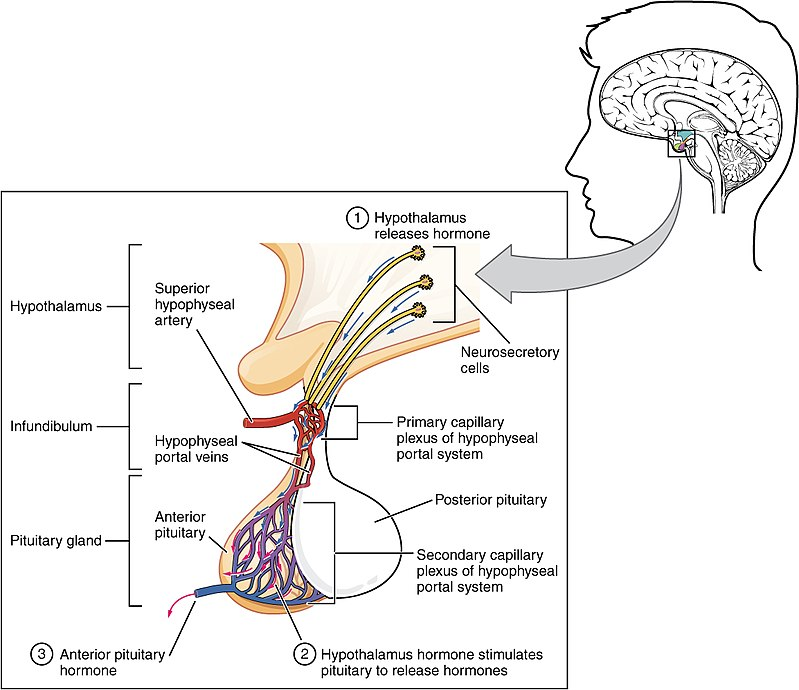
Adenohypophysis regulates several physiological processes, including stress, growth, reproduction, and lactation
A major organ of the endocrine system, the anterior pituitary (also called the adenohypophysis or pars anterior) is the glandular, anterior lobe that together with the posterior lobe (posterior pituitary, or the neurohypophysis) makes up the pituitary gland (hypophysis). The anterior pituitary regulates several physiological processes, including stress, growth, reproduction,…

Enterohepatic circulation
Enterohepatic circulation refers to the circulation of biliary acids, bilirubin, drugs or other substances from the liver to the bile, followed by entry into the small intestine, absorption by the enterocyte and transport back to the liver. Enterohepatic circulation…
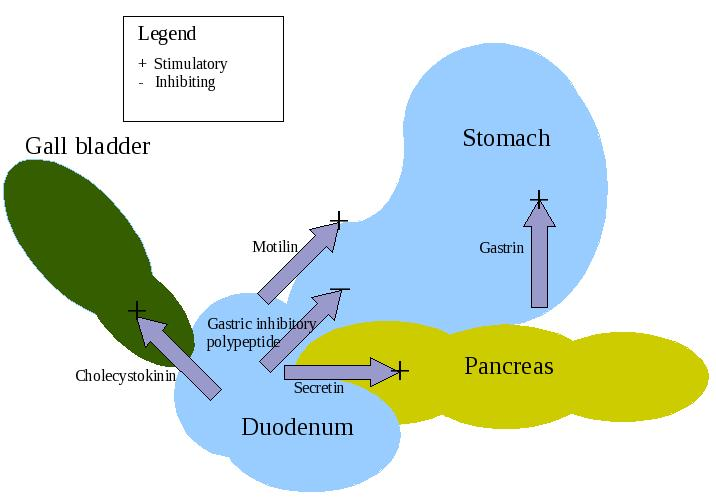
APUD cells (DNES cells)
APUD cells (DNES cells) constitute a group of apparently unrelated endocrine cells, which were named by the scientist A.G.E. Pearse, who developed the APUD concept in the 1960s based on calcitonin-secreting parafollicular C cells of…