
Thunderstones (and Touchstones) in Asian Tradition
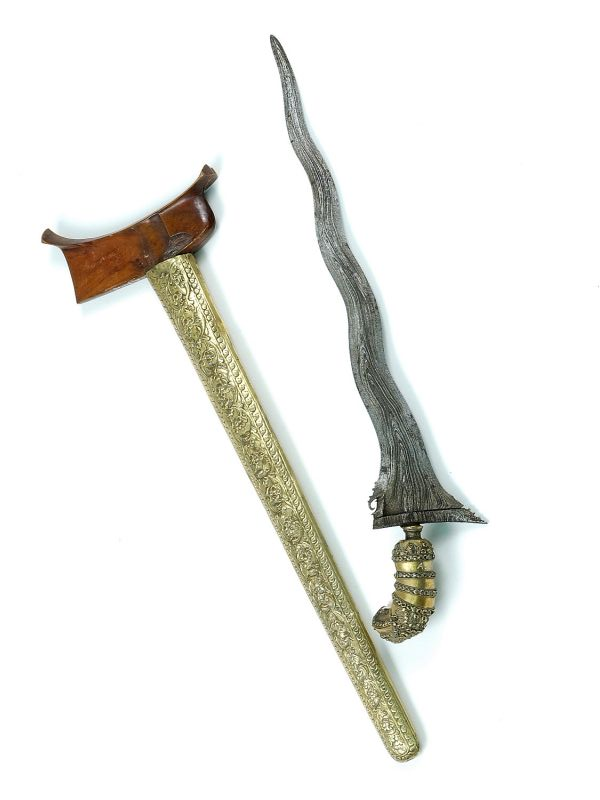
In Burma they are used as a cure and preventative for appendicitis. In Japan they cure boils and ulcers. In Malaysia and Sumatra they are used to sharpen the kris, are considered…
Thunderstones in European Folklore
In Scandinavia thunderstones were frequently worshiped as family gods who kept off spells and witchcraft. Beer was poured over them as an offering, and they were sometimes anointed with butter. In Switzerland the owner of a thunderstone whirls…
A 12th century Bishop of Rennes asserted the value of thunderstones as a divinely appointed means of securing success in battle, safety on the sea, security against thunder, and immunity from unpleasant dreams
During the Middle Ages many of these well-wrought thunderstones were venerated as weapons, which during the “war in heaven” had been used in driving forth Satan and his hosts. Hence, in the 11th century…
Albanians believed the supreme powers of thunderstones were formed during lightning strikes
Albanians believed in the supreme powers of thunderstones (kokrra e rrufesë or guri i rejës), which were believed to be formed during lightning strikes and to fall from the sky. Thunderstones were preserved in family life…
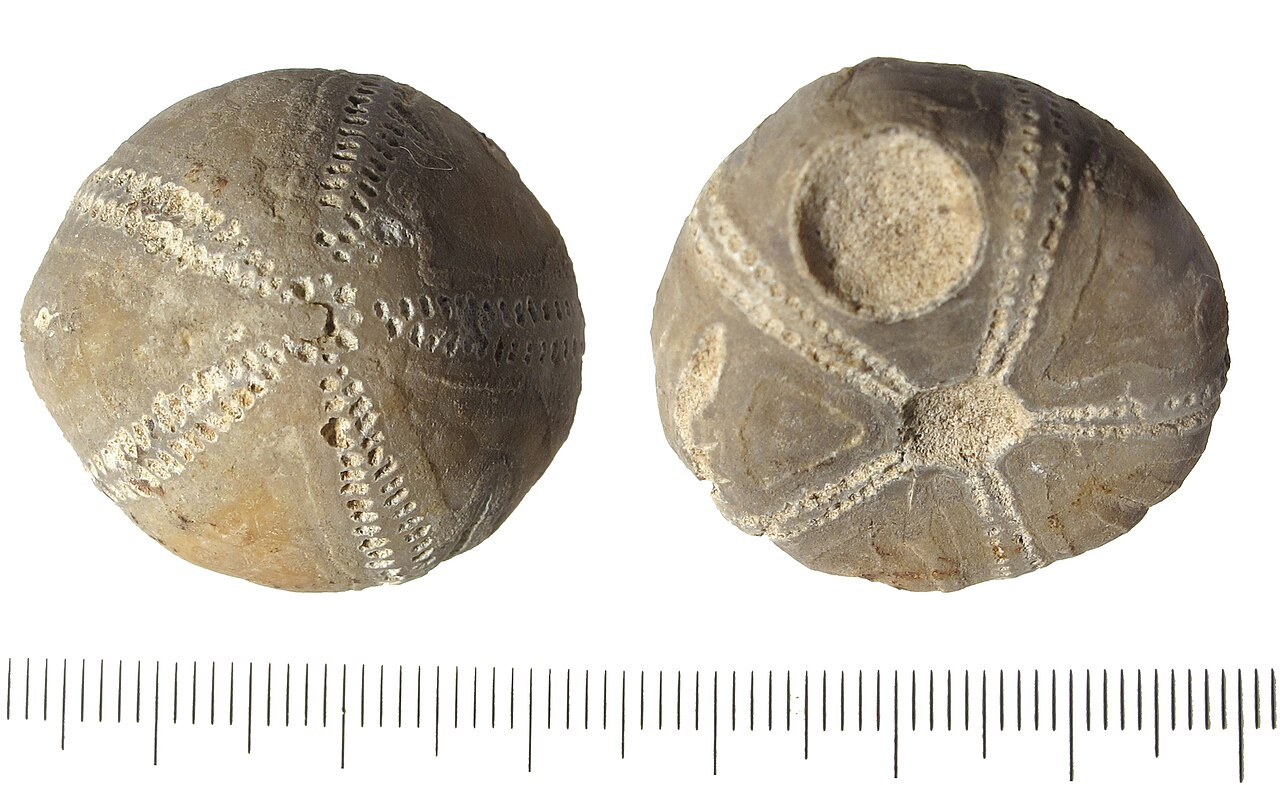
Humans have been interested in echinoid fossils (the fossilised remains of sea urchins) for millennia, considering them lucky and imbuing them with magical powers linked to their deities
A folk tradition in Denmark and southern England imagined sea urchin fossils to be thunderbolts, able to ward off harm by lightning or by witchcraft, as an apotropaic symbol. Another version supposed they were…