
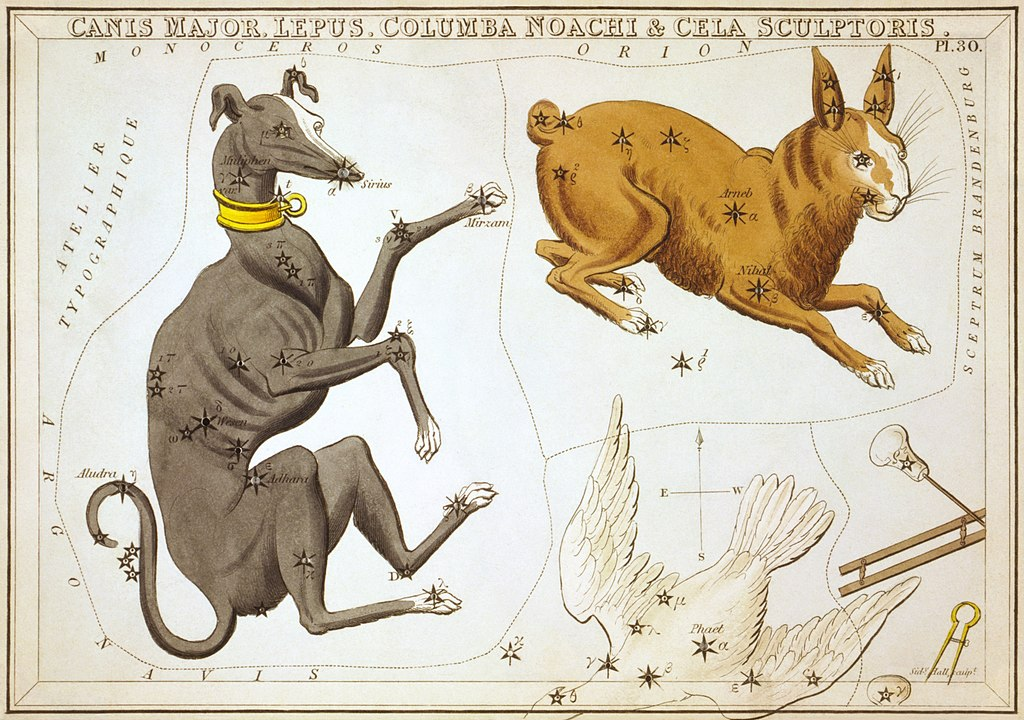
Columba constellation
Columba is a faint constellation designated in the late sixteenth century, remaining in official use, with its rigid limits set in the 20th century. Its name is Latin for dove. It takes up 1.31% of the…
Columba the cosmic dove and celestial toilet humor
The Columba constellation – where celestial family drama meets cosmic bathroom humor! Let’s dive into a delightful corner of Chinese astronomy that proves even the heavens aren’t above a good…
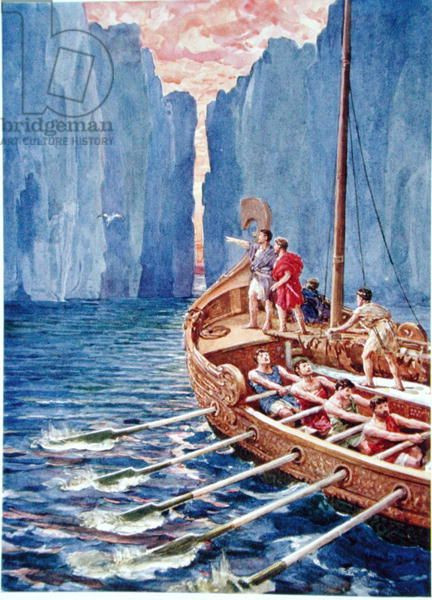
Jason and the Argonauts and the dove
The Symplegades or Clashing Rocks, also known as the Cyanean Rocks, were, according to Greek mythology, a pair of rocks at the Bosphorus that clashed together whenever a vessel went through. They were defeated by Jason and the Argonauts, who…
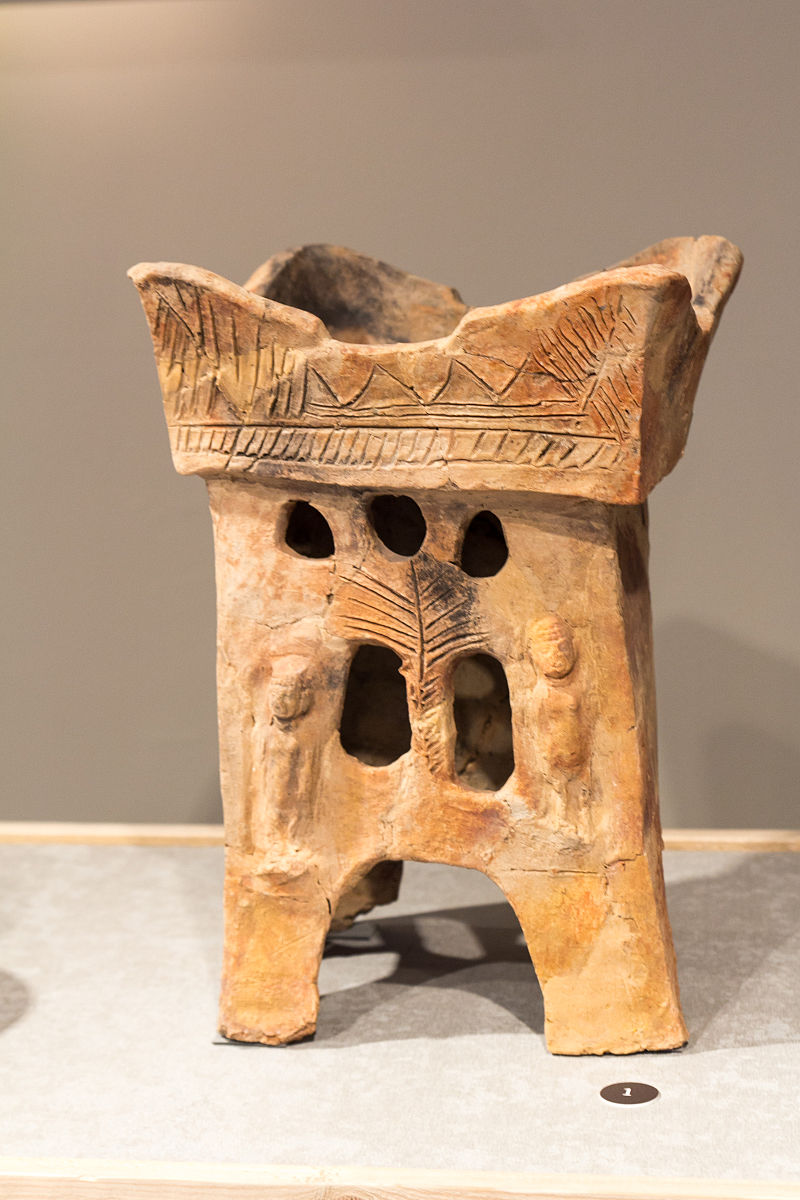
Asherah and Asherim notes
In the ancient Levant, doves were used as symbols for the Canaanite mother goddess Asherah. The Canaanite religion was the group of ancient Semitic religions practiced by the Canaanites living in the ancient Levant from at least the early Bronze Age through the first…
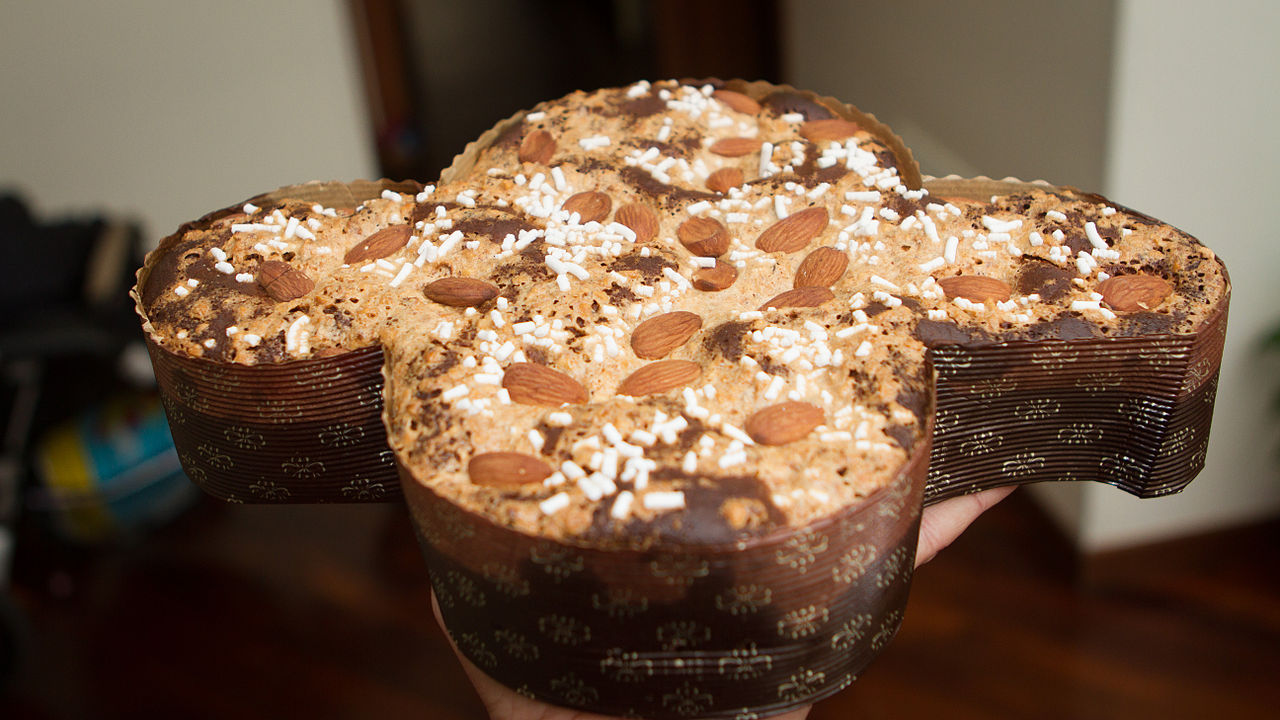
Colomba pasquale, Italian Easter bread
Colomba pasquale [koˈlomba paˈskwaːle] or colomba di Pasqua [koˈlomba di ˈpaskwa] (“Easter Dove” in English) is an Italian traditional Easter bread, the counterpart of the two well-known Italian Christmas desserts, panettone and pandoro. The dough for the colomba is made in a similar…
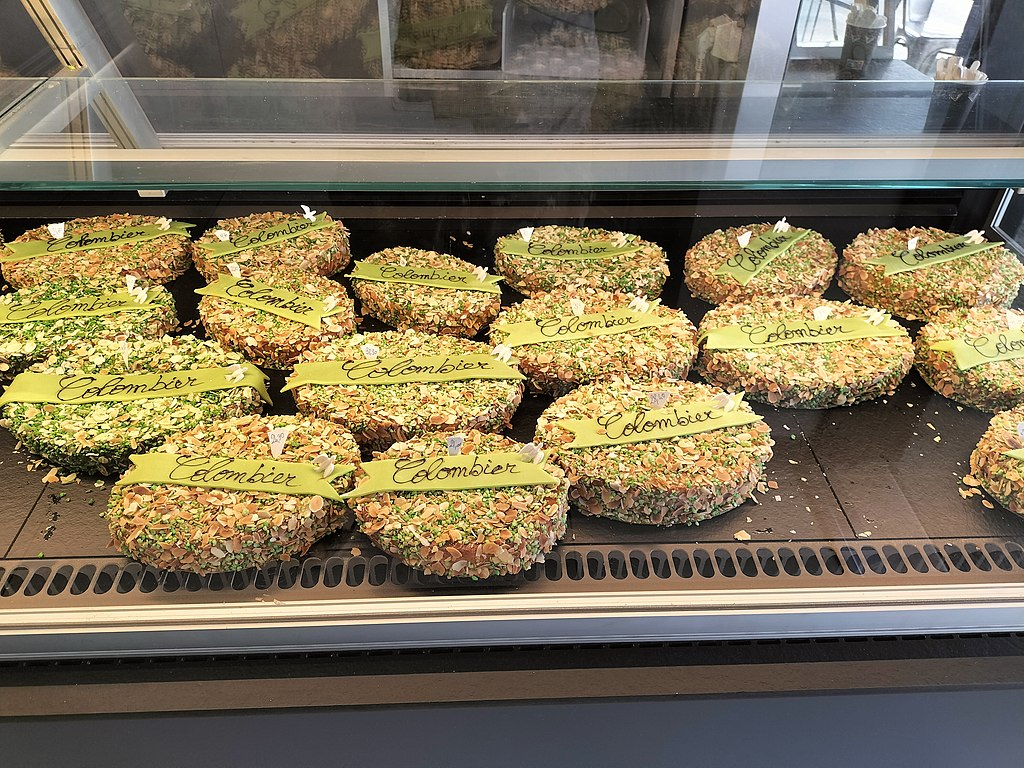
Dovecote cake and the founding myth of Marseille
In Marseille tradition, the dovecote is a cake offered by pastry chefs at the time of Pentecost: cake made from almonds and melon, covered with sugar, generously colored, flavored with kirsch and inside is hidden a dove. This oval-shaped cake…
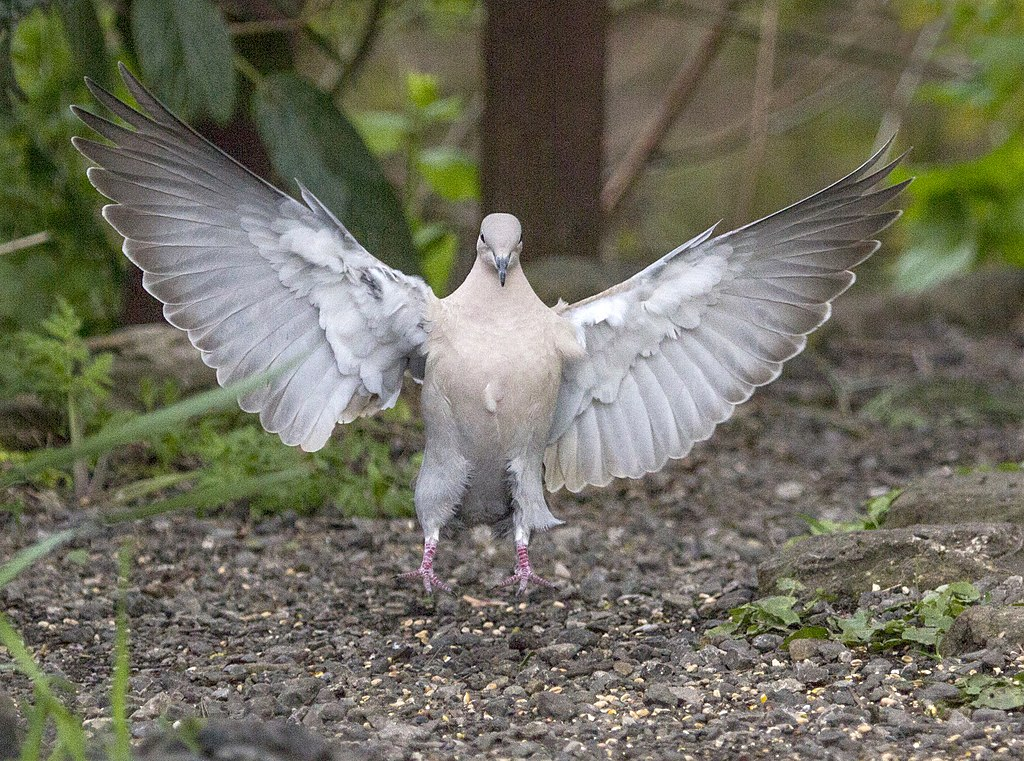
Columbidae anatomy and physiology notes
Overall, the anatomy of Columbidae is characterized by short legs, short bills with a fleshy cere, and small heads on large, compact bodies. Like some other birds, the Columbidae have no gall bladders. Some medieval naturalists…
In Judaism, The Guf or Treasury of Souls is sometimes described as a columbarium
In post-biblical Judaism, souls are envisioned as bird-like (Bahir 119), a concept that may be derived from the Biblical notion that dead spirits “chirp” (Isa. 29:4). The Guf, or Treasury of Souls,…
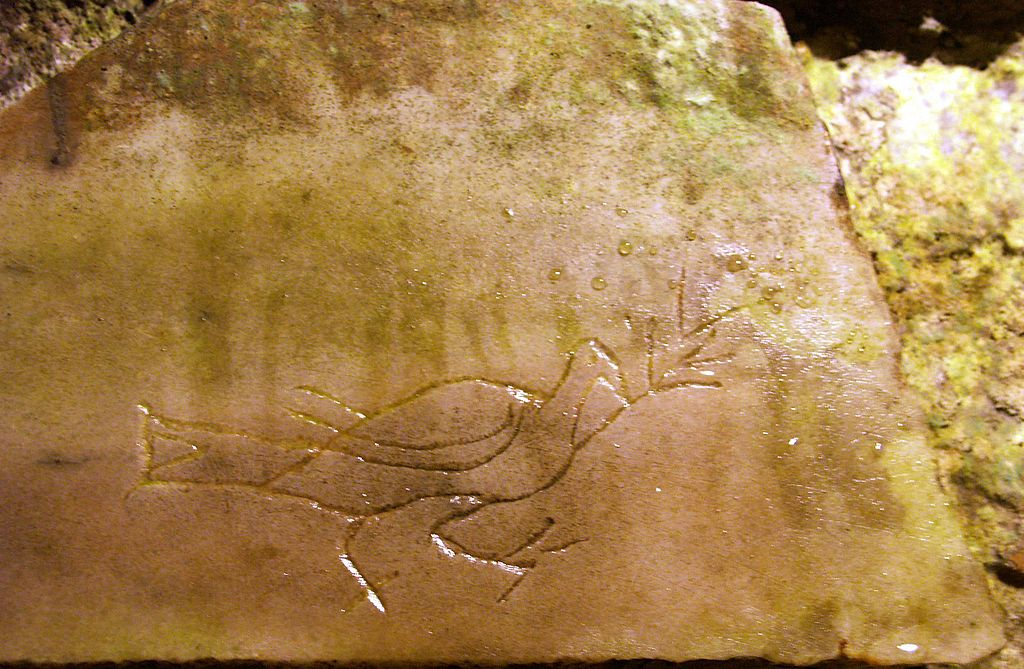
The dove and the raven and the flood notes
According to the biblical story (Genesis 8:11), a dove was released by Noah after the Flood in order to find land; it came back carrying a freshly plucked olive leaf (Hebrew: עלה זית alay zayit),[Gen 8:11] a sign of…
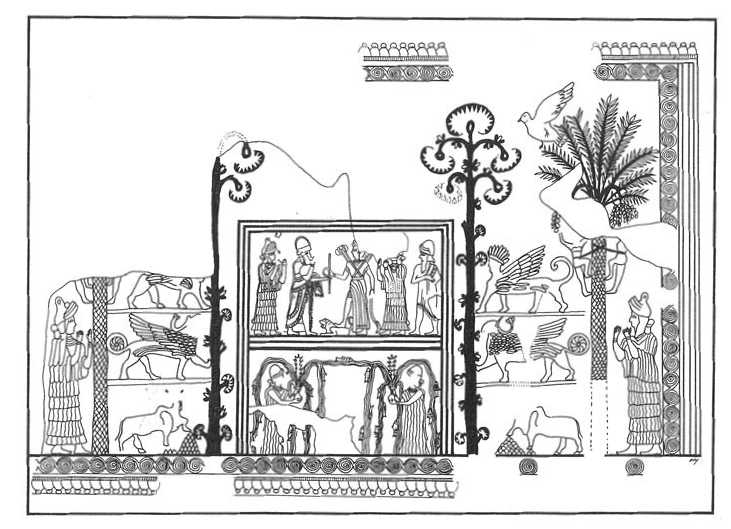
Doves are shown on cult objects associated with Inanna as early as the beginning of the third millennium BC
In ancient Mesopotamia, doves were prominent animal symbols of Inanna-Ishtar, the goddess of love, sexuality, and war. Doves are shown on cultic objects associated with Inanna as early as the beginning of the…
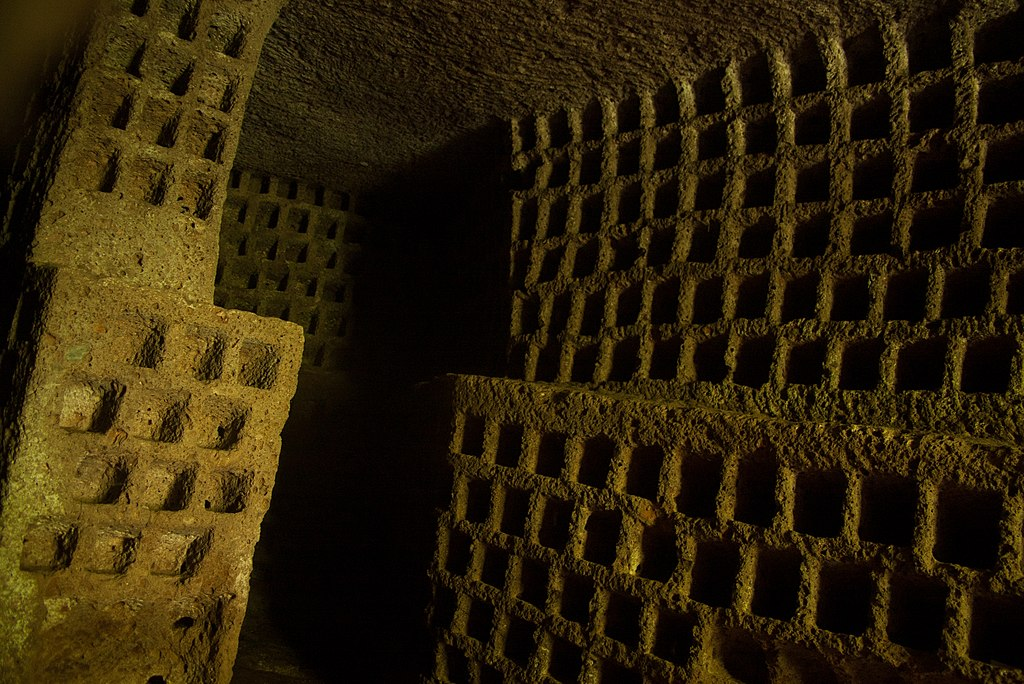
A columbarium is a structure for the reverential and usually public storage of funerary urns holding cremains of the dead
A columbarium (pl. columbaria) is a structure for the reverential and usually public storage of funerary urns holding cremains of the dead. The term comes from the Latin columba (dove) and originally solely referred to compartmentalized housing for doves and…
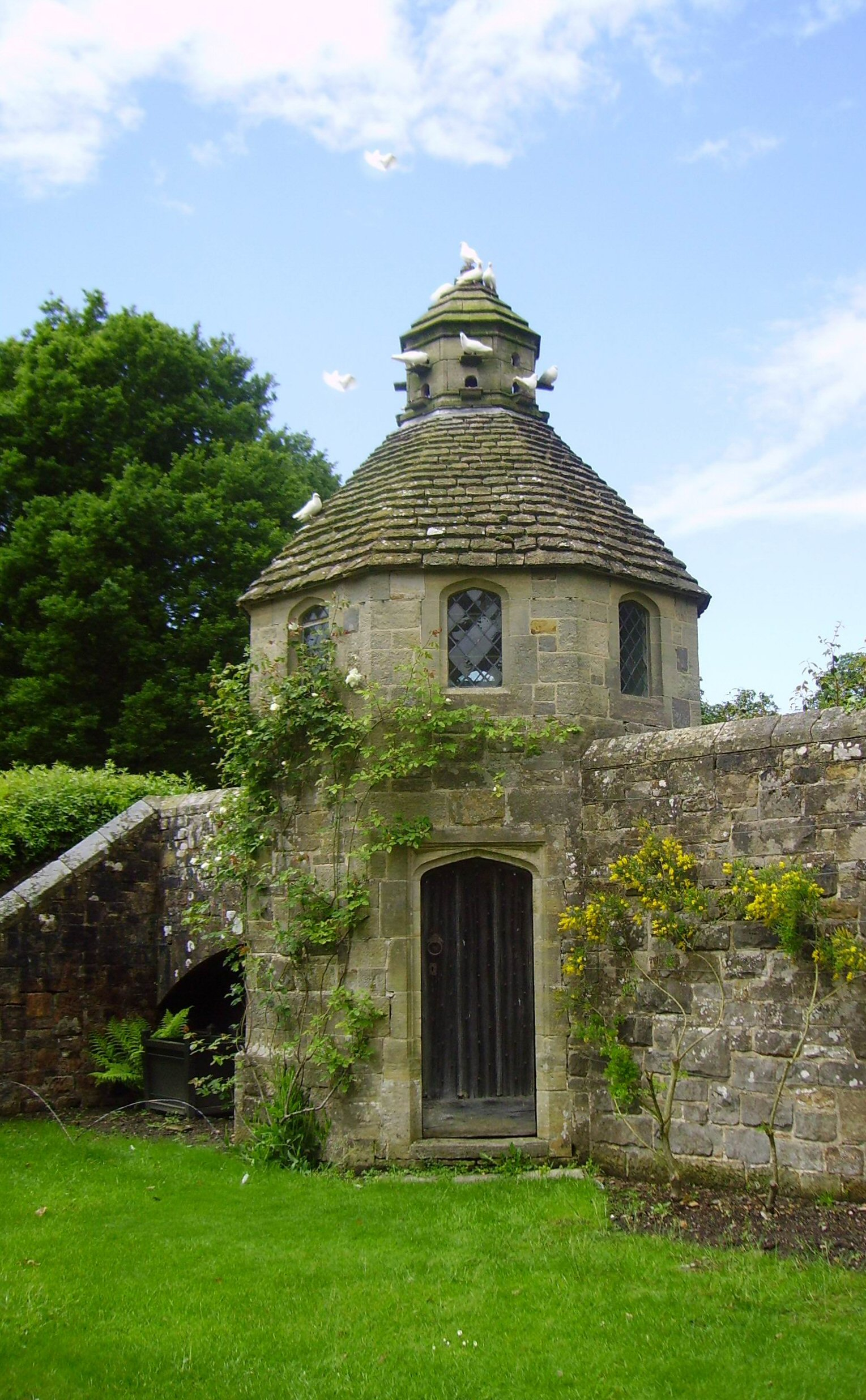
A dovecote or columbarium is a structure intended to house pigeons or doves
A dovecote or dovecot, doocot (Scots) or columbarium is a structure intended to house pigeons or doves. Dovecotes may be free-standing structures in a variety of shapes, or built into the end of a house or barn. They generally…