

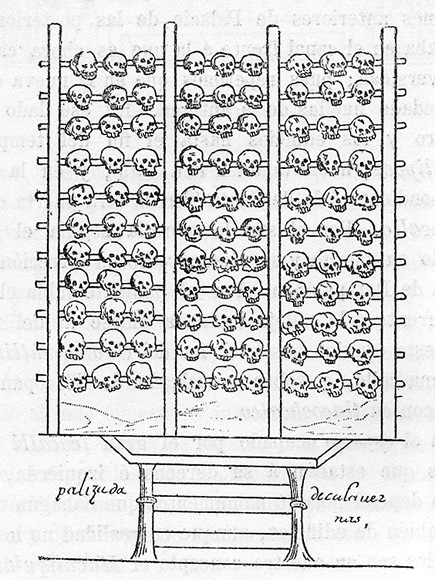
A tzompantli or skull rack was used for the public display of human skulls, typically of war captives or sacrificial victims
A tzompantli (Nahuatl pronunciation: [t͡somˈpant͡ɬi]) or skull rack was a type of wooden rack or palisade documented in several Mesoamerican civilizations, which was used for the public display of human skulls, typically those of war captives or other sacrificial victims. It…
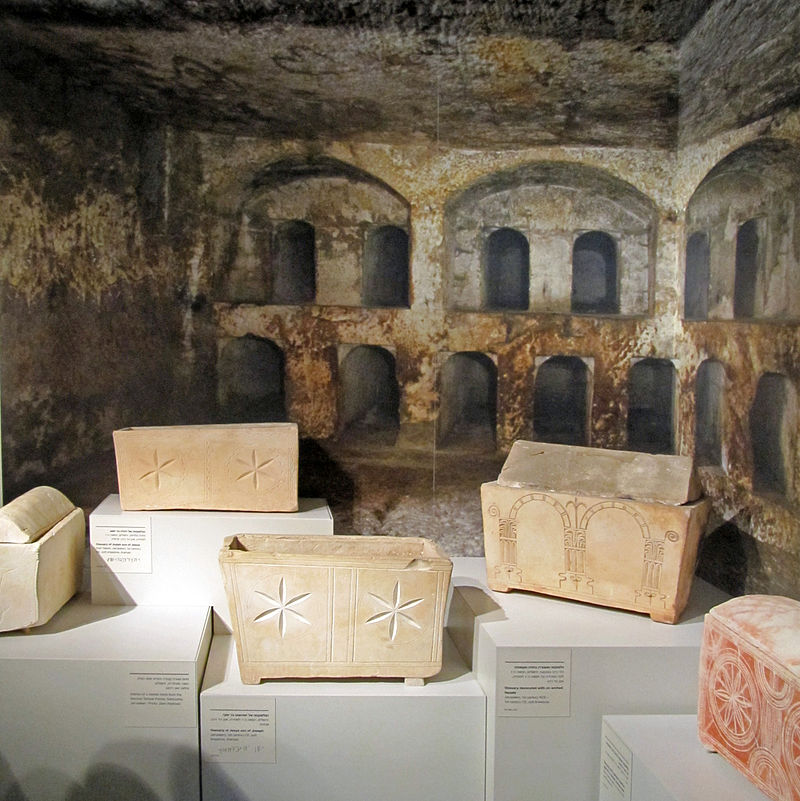
Ossuary
An ossuary is a chest, box, building, well, or site made to serve as the final resting place of human skeletal remains. They are frequently used where burial space is scarce. A body is…

Nasu aka Nasa (Zoroastrianism) and Tower of Silence
Nasu (Also; Druj Nasu, Nasa, Nas, Nasuš) is the Avestan name of the female Zoroastrian demon (daeva) of corpse matter. She resides in the north (Vendidad. 7:2), where the Zoroastrian hell lies. Nasu takes the…
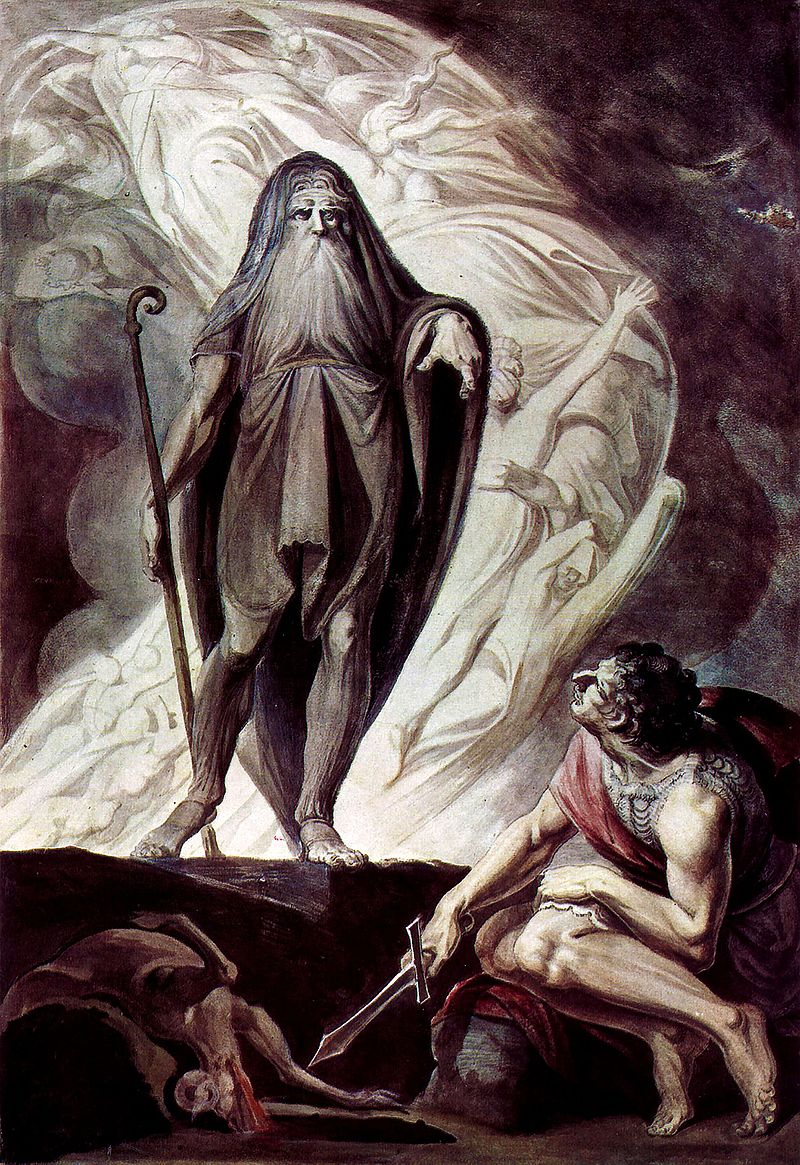
Tiresias was a blind prophet who was transformed into a woman for seven years
In Greek mythology, Tiresias was a blind prophet of Apollo in Thebes, famous for clairvoyance and for being transformed into a woman for seven years. He was the son of the shepherd Everes and the nymph Chariclo. Tiresias participated fully in seven generations in Thebes,…
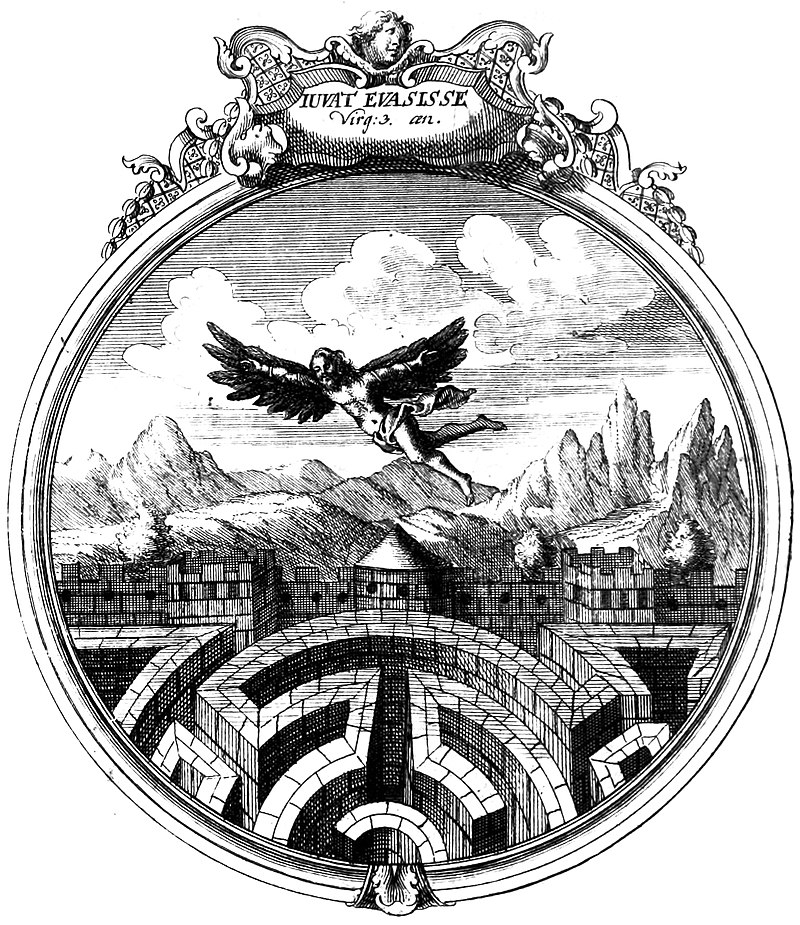
Daedalus (Greek mythology)
In Greek mythology, Daedalus (Greek: Δαίδαλος; Latin: Daedalus; Etruscan: Taitale) was a skillful architect and craftsman, seen as a symbol of wisdom, knowledge and power. He is the father of Icarus, the uncle of Perdix, and possibly also the…
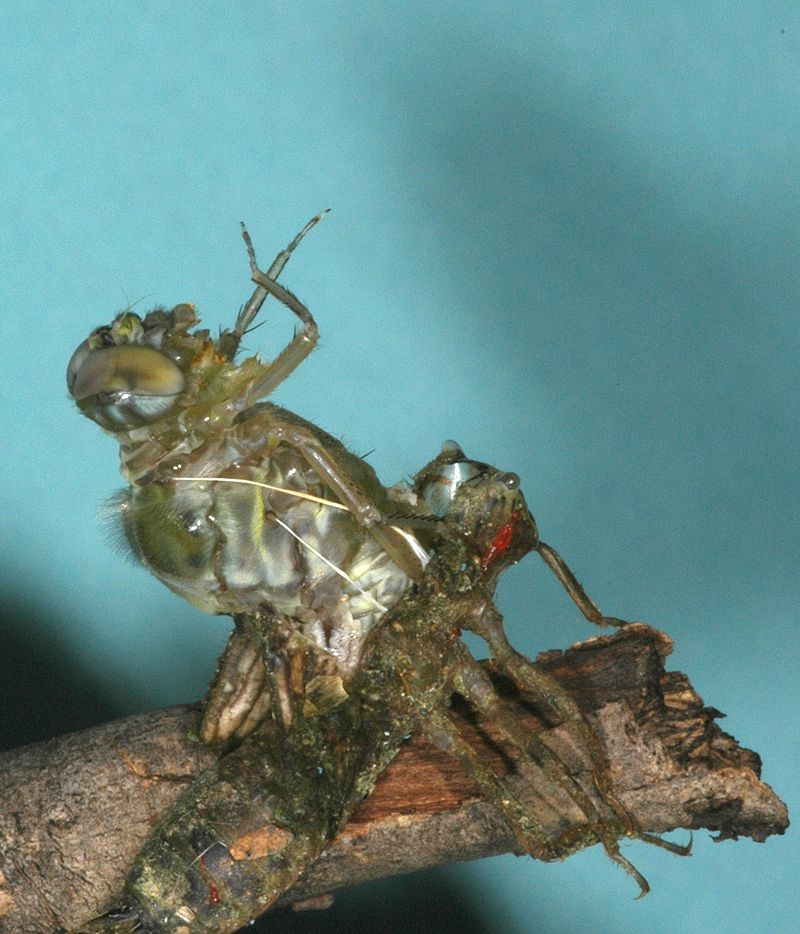
Moulting was known as mewing in medieval times
In biology, moulting (British English), or molting (American English), also known as sloughing, shedding, or in many invertebrates, ecdysis, is the manner in which an animal routinely casts off a part of its body (often, but not always, an…

Mews derives from the French muer, ‘to moult’
A mews is a row or courtyard of stables and carriage houses with living quarters above them, built behind large city houses before motor vehicles replaced horses in the early twentieth century. Mews are usually located…
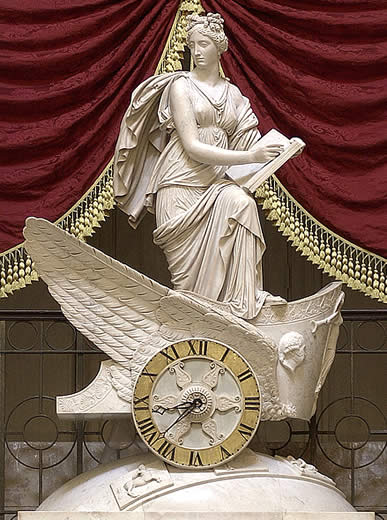
Car of History chariot clock features a life size statue of Clio, the muse of history
A chariot clock is a type of mantel/table figural clock in the form of a chariot whose dial is set into the wheel or elsewhere, its origins date back to the second half of the 16th century…
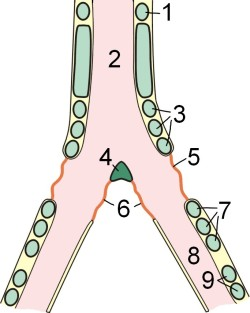
The syrinx (from the Greek word for pan pipes) is the vocal organ of birds
The syrinx (from the Greek word “σύριγξ” for pan pipes) is the vocal organ of birds. Located at the base of a bird’s trachea, it produces sounds without the vocal folds of mammals. The sound is produced by vibrations of some or…
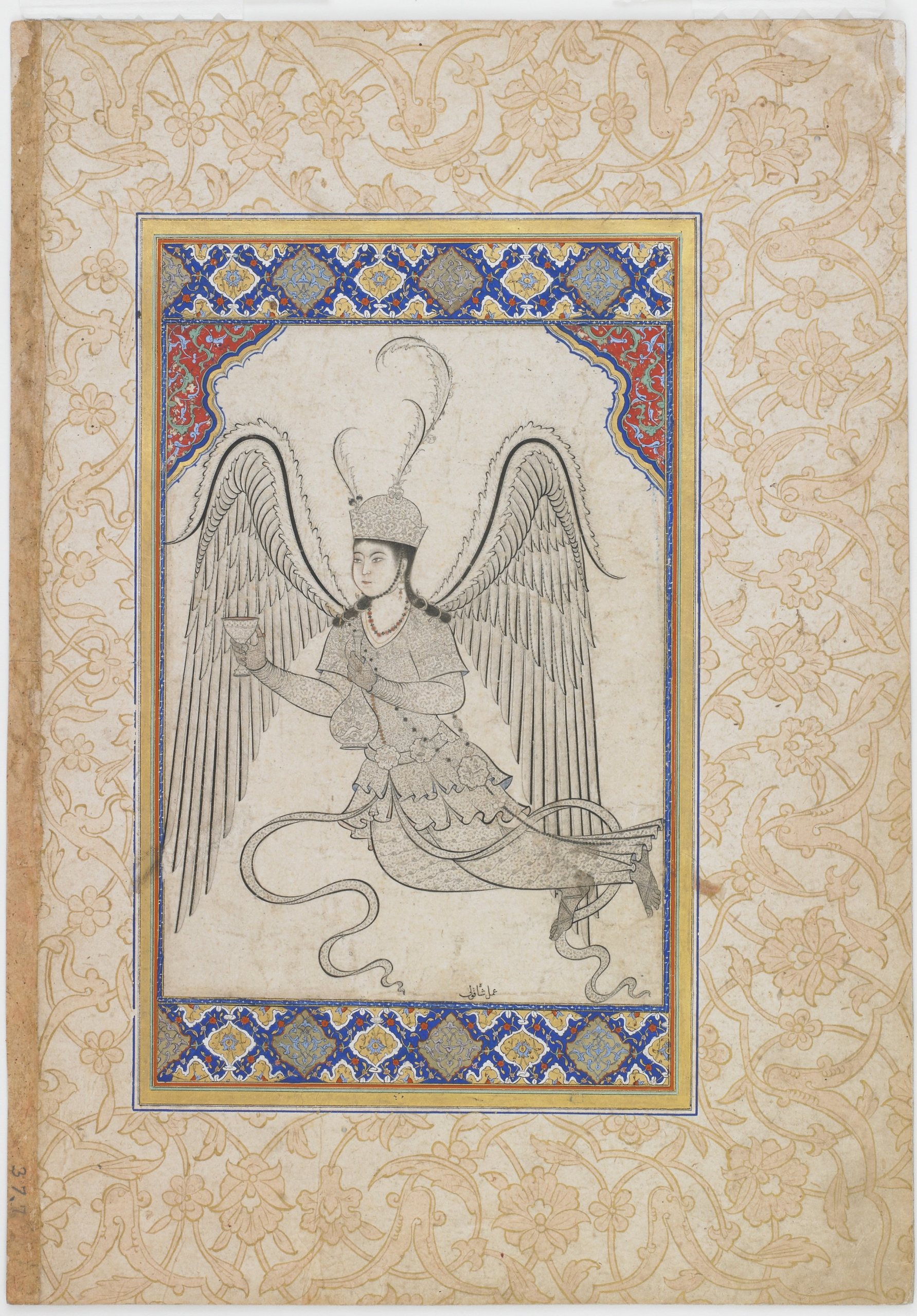
Peris
In Persian mythology, Peris are exquisite, winged spirits renowned for their beauty. Peris were later adopted by other cultures. They are described in one reference work as mischievous beings that have been denied entry to paradise until they…
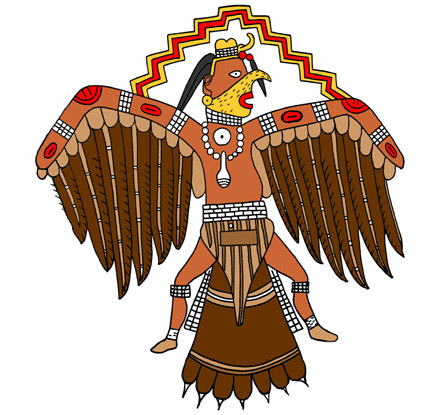
Red Horn (Hešucka) aka He Who Wears (Man) Faces on His Ears and Big Boy…and Werebirds
Red Horn is a culture hero in Siouan oral traditions, specifically of the Ioway and Hocąk (Winnebago) nations. He has different names. Only in Hocąk literature is he known as “Red Horn” (Hešucka), but among the Ioway and Hocągara…

Magpie (bird)
Magpies are birds of the Corvidae family. Like other members of their family, they are widely considered to be intelligent creatures. The Eurasian magpie, for instance, is thought to rank among the world’s most intelligent creatures and is…