

Juvenile hormone (and Methoprene)
Juvenile hormones (JHs) are a group of acyclic sesquiterpenoids that regulate many aspects of insect physiology. The first discovery of a JH was by Vincent Wigglesworth. JHs regulate development, reproduction, diapause, and polyphenisms. The chemical formula for juvenile hormone is C18H30O3. Riddiford, L. M. (1994). "Cellular and molecular actions of juvenile hormone I. General considerations
Vitellogenin is a precursor of egg yolk that transports protein and some lipid from the liver through the blood to the growing oocytes where it becomes part of the yolk. Normally, it is only found in the blood or hemolymph of females…
Vitellogenin (VTG or less popularly known as VG) (from Latin vitellus, yolk, and genero, I produce) is a precursor of egg yolk that transports protein and some lipid from the liver through the blood to the growing oocytes where it becomes part of the yolk. Normally, it is only found in the
Vitellin is essential in the fertilization process, and embryonic development in egg-laying organisms
Vitellin is a protein found in the egg yolk. It is a phosphoprotein. Vitellin is a generic name for major of many yolk proteins. Vitellins at the U.S. National Library of Medicine Medical Subject Headings (MeSH) KUNKEL, JOSEPH G.; JOHN H. NORDIN (1985). "Yolk Proteins. 2.2 Vitellin, the major yolk protein" (PDF). Retrieved 5 November 2016. Vitellin has been
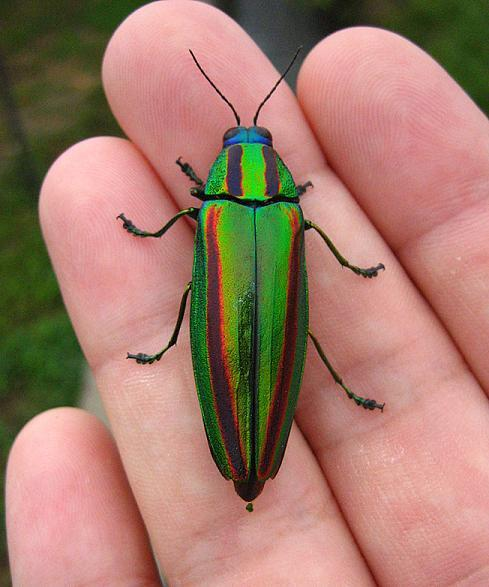
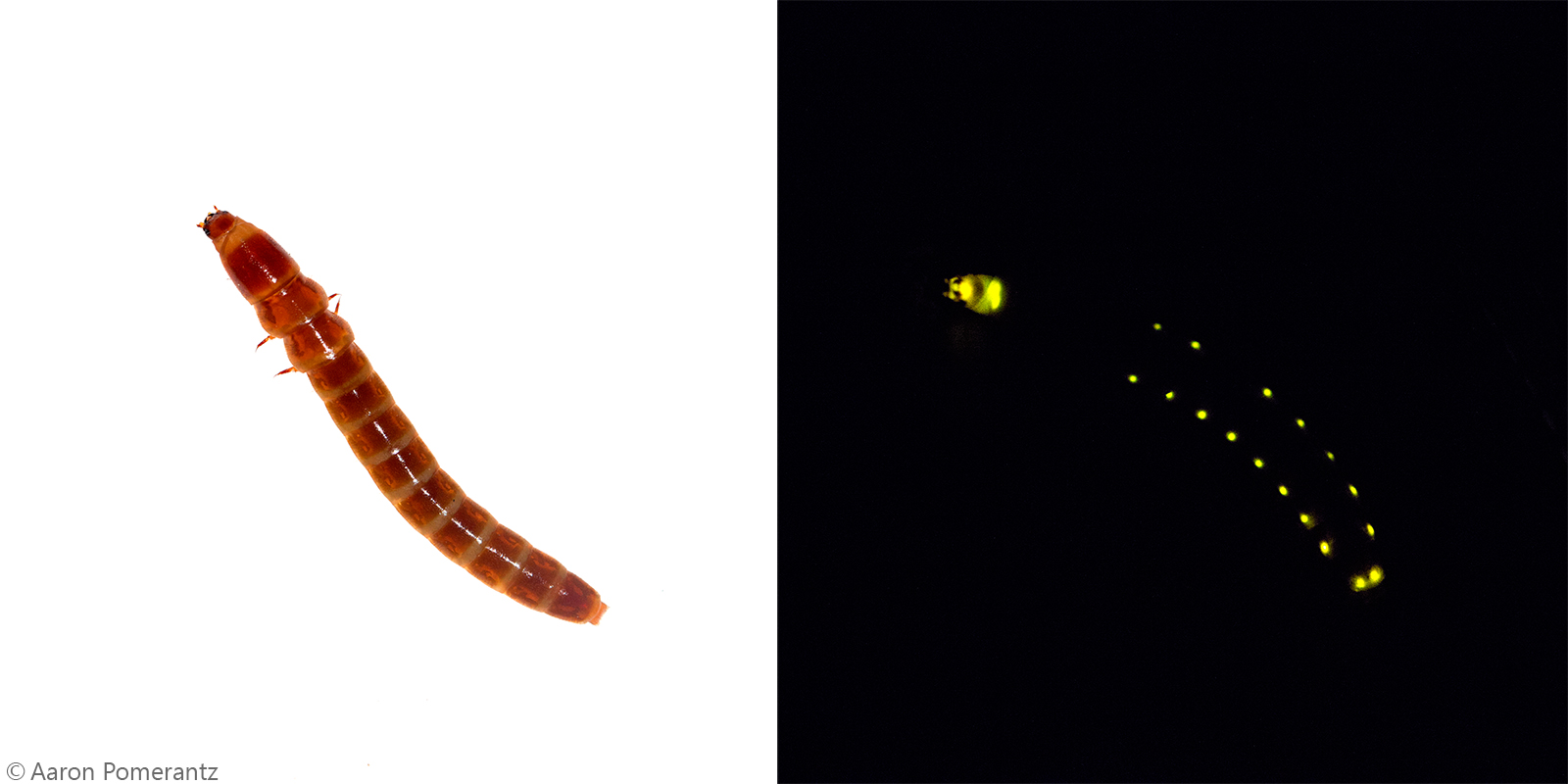
Railroad worms, glowworm beetles and apple maggots
Railroad worm with both lights on and off Railroad wormPhengodidae PhrixothrixScientific classificationDomain:EukaryotaKingdom:AnimaliaPhylum:ArthropodaClass:InsectaOrder:ColeopteraFamily:PhengodidaeGenus:PhrixothrixOlivier, 1909Species(several) A railroad worm is a larva or larviform female adult of a beetle of the genus Phrixothrix in the family Phengodidae, characterized by the possession of two different colors of bioluminescence. It has the appearance of a caterpillar. The eleven pairs of luminescent organs on their second thoracic segment through their
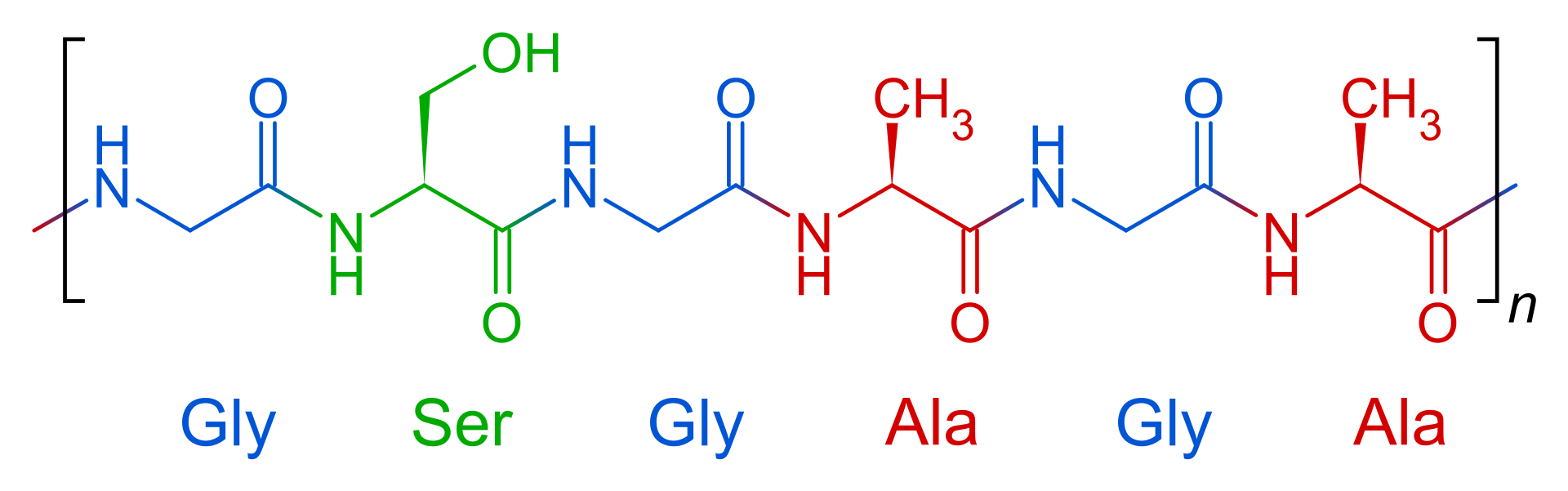
Fibroin is an insoluble protein present in silk produced by numerous insects
Fibroin is an insoluble protein present in silk produced by numerous insects, such as the larvae of Bombyx mori, and other moth genera such as Antheraea, Cricula, Samia and Gonometa. Silk in its raw state consists of two main proteins, sericin and fibroin, with a glue-like layer of sericin coating two singular filaments of fibroin called brins. BRIN AND BAVE

Sericin is a protein created by Bombyx mori (silkworms) in the production of silk
A schematic illustration of silk fibers produced by silkworms: (A) the raw silk fiber is composed of two fibroin fibers held together with sericin covered with a protein coat. After degumming, the removal of sericin, the fibroin fibers are dissolved in solution; (B) the illustration of
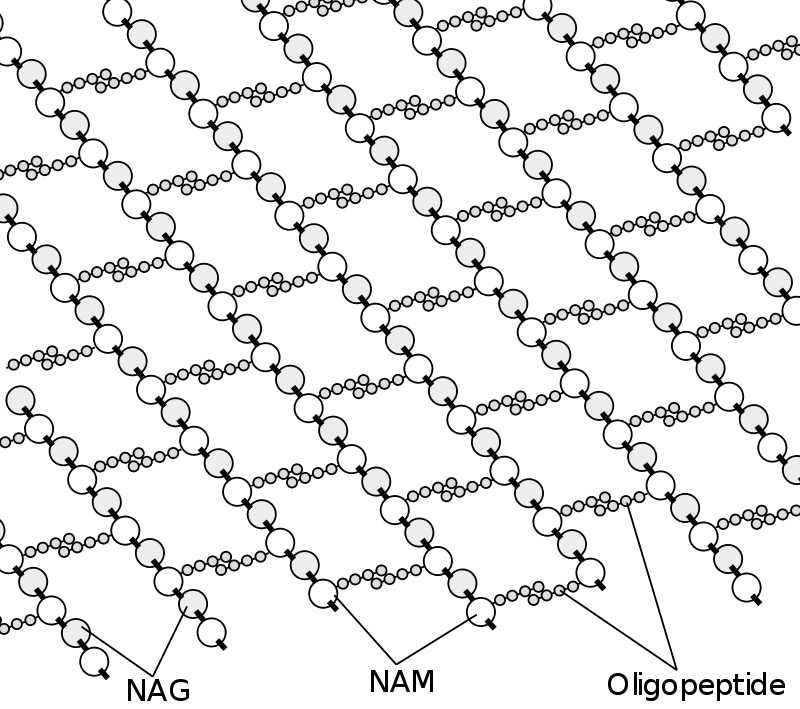
Peptidoglycan or murein is a unique large macromolecule, a polysaccharide, consisting of sugars and amino acids that forms a mesh-like peptidoglycan layer outside the plasma membrane
Not to be confused with glycopeptide, proteoglycan, or glycoprotein Peptidoglycan or murein is a unique large macromolecule, a polysaccharide, consisting of sugars and amino acids that forms a mesh-like peptidoglycan layer outside the plasma membrane, the rigid cell wall (murein sacculus) characteristic of most bacteria (domain Bacteria). Woese CR, Kandler O, Wheelis ML (June 1990). "Towards a natural system of organisms: proposal for the domains Archaea, Bacteria,
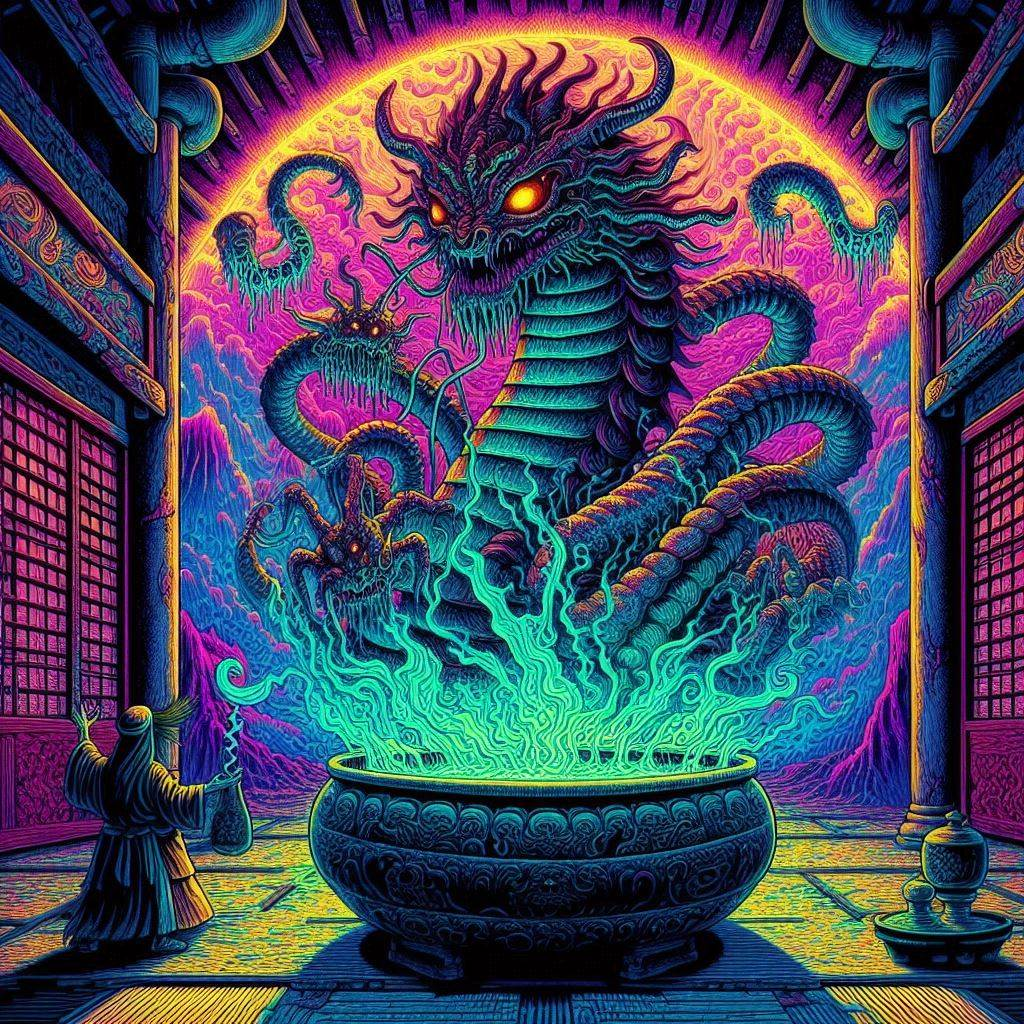
Kodoku: The Venomous Vortex of Ancient Curses
Here's one that might make your skin crawl and your blood run cold! Welcome to the world of Kodoku, the sinister sorcery that turns creepy crawlies into catastrophic curses! Imagine, if you dare, a jar teeming with nature's most venomous vermin - scorpions, centipedes, and snakes, oh

Gu: The Venomous Vortex of Ancient Chinese Sorcery
Seal script for gu 蠱 "poison; bewitch." Seal script version of the gu character, depicting three insects atop the sign for "container." Here is another that may make your skin crawl and your blood run cold! Welcome to the world of Gu, the sinister sorcery that turns creepy crawlies into catastrophic curses! Picture, if you
Erich Traub (1906 – 1985) German veterinarian, scientist and virologist who specialized in foot-and-mouth disease, Rinderpest and Newcastle disease
Erich Traub worked directly for Heinrich Himmler, head of the Schutzstaffel (SS), as the lab chief of the Nazis' leading bio-weapons facility on Riems Island. Carroll, Michael (2004). Lab 257: The Disturbing Story of the Government's Secret Germ Laboratory. New York: HarperCollins Publishers. ISBN 0-06-001141-6. Note: Riems is home to the oldest virological research institution in the world, now
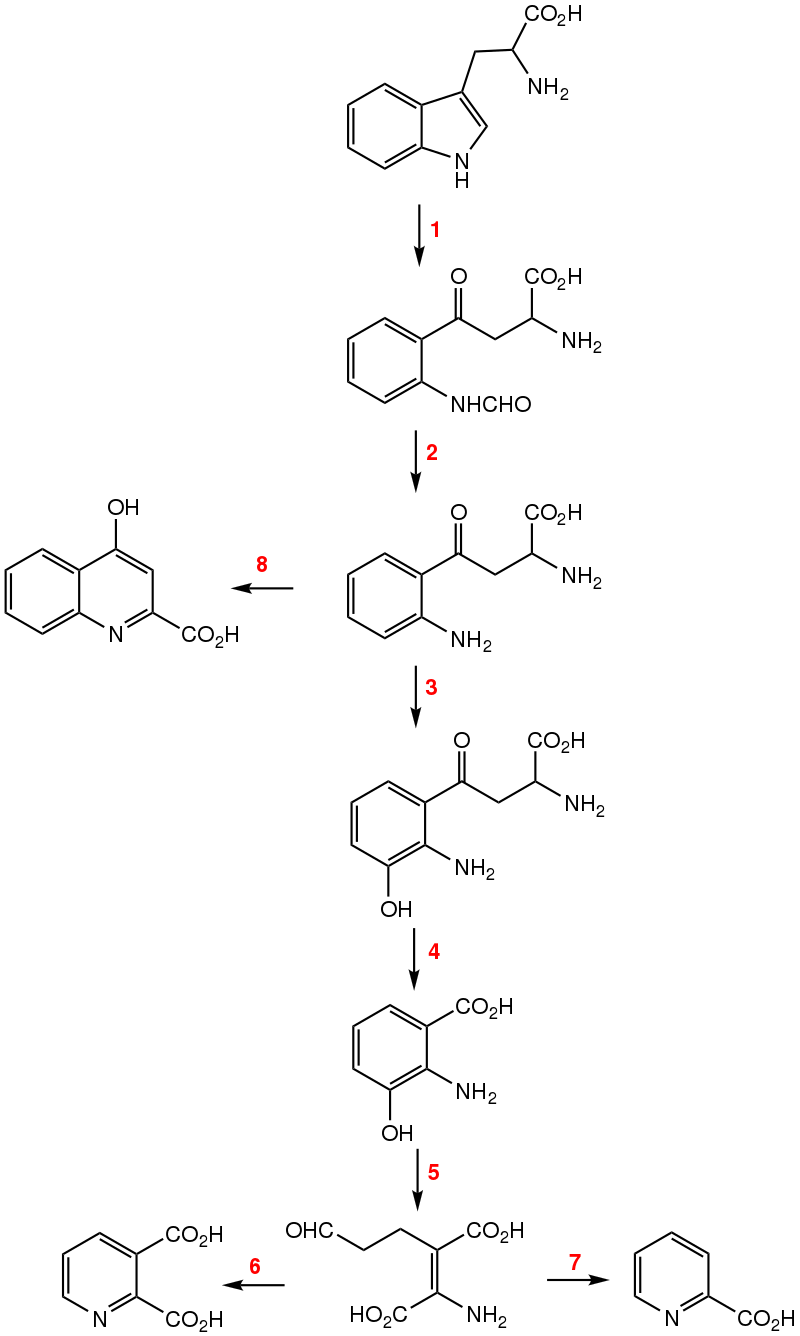
Ommochrome (visual pigment) and Kynurenine (a metabolite of the amino acid l-tryptophan used in the production of niacin)
Ommochrome (or visual pigment) refers to several biological pigments that occur in the eyes of crustaceans and insects. The eye color is determined by the ommochromes. Ommochromes are also found in the chromatophores of cephalopods, and in spiders. Oxford, G. S.; Gillespie, R. G. (1998). "Evolution and Ecology of Spider Coloration". Annual Review of Entomology. 43: 619–643. doi:10.1146/annurev.ento.43.1.619. PMID 15012400. S2CID 6963733. Ommochromes are metabolites of tryptophan, via kynurenine and 3-hydroxykynurenine. They