

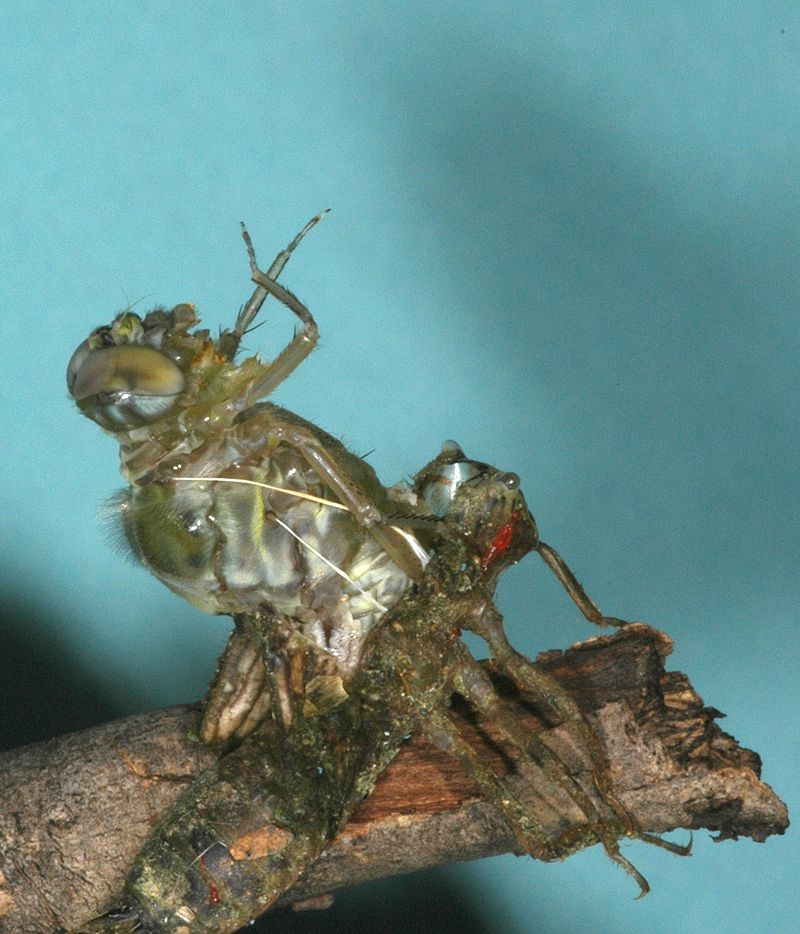
Moulting was known as mewing in medieval times
A dragonfly in its radical final moult, metamorphosing from an aquatic nymph to a winged adult. In biology, moulting (British English), or molting (American English), also known as sloughing, shedding, or in many invertebrates, ecdysis, is the manner in which an animal routinely casts off a part of its body (often, but not always, an outer layer or covering), either
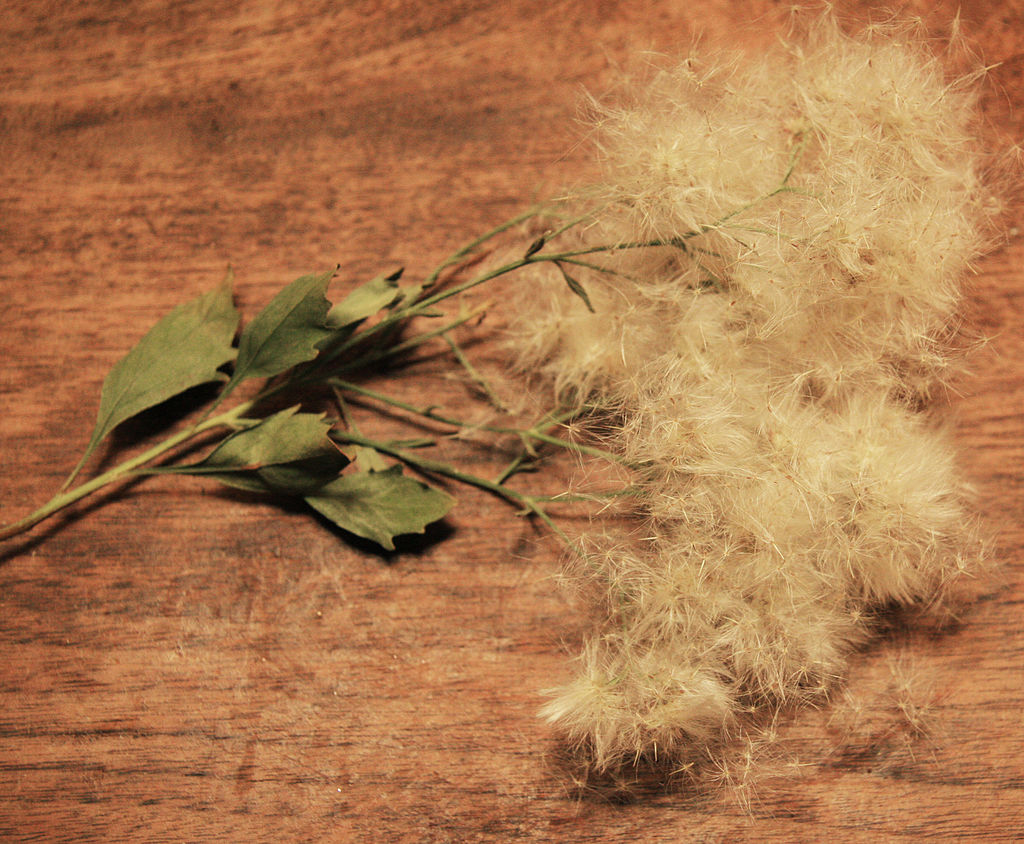
Baccharis is a genus of perennials and shrubs in the aster family (Asteraceae)
They are commonly known as baccharises but sometimes referred to as "brooms", because many members have small thin leaves resembling the true brooms. They are not at all related to these however, but belong to an entirely different lineage of eudicots. B. halimifolia is commonly known as "groundsel bush", however true groundsels
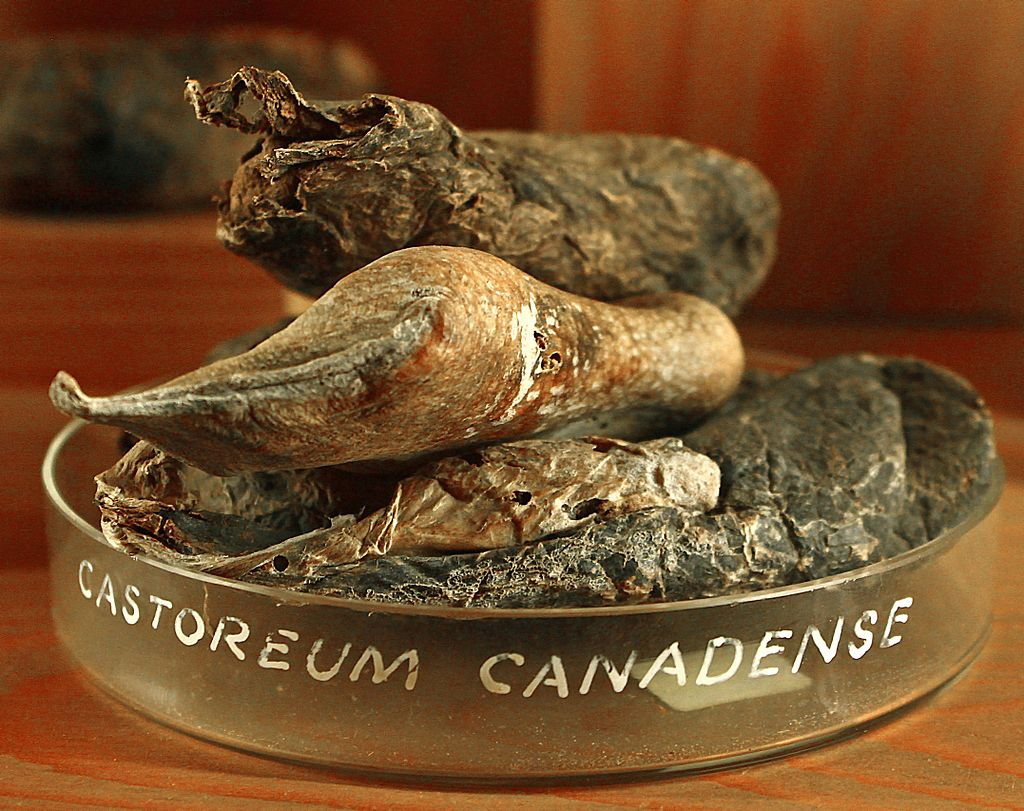
Castoreum
Castoreum; Deutsches Apothekenmuseum, Heidelberg Castle, Heidelberg, Germany. Castoreum is a yellowish exudate from the castor sacs of mature beavers. Beavers use castoreum in combination with urine to scent mark their territory. Both beaver sexes have a pair of castor sacs and a pair of anal glands, located in two cavities under the skin between
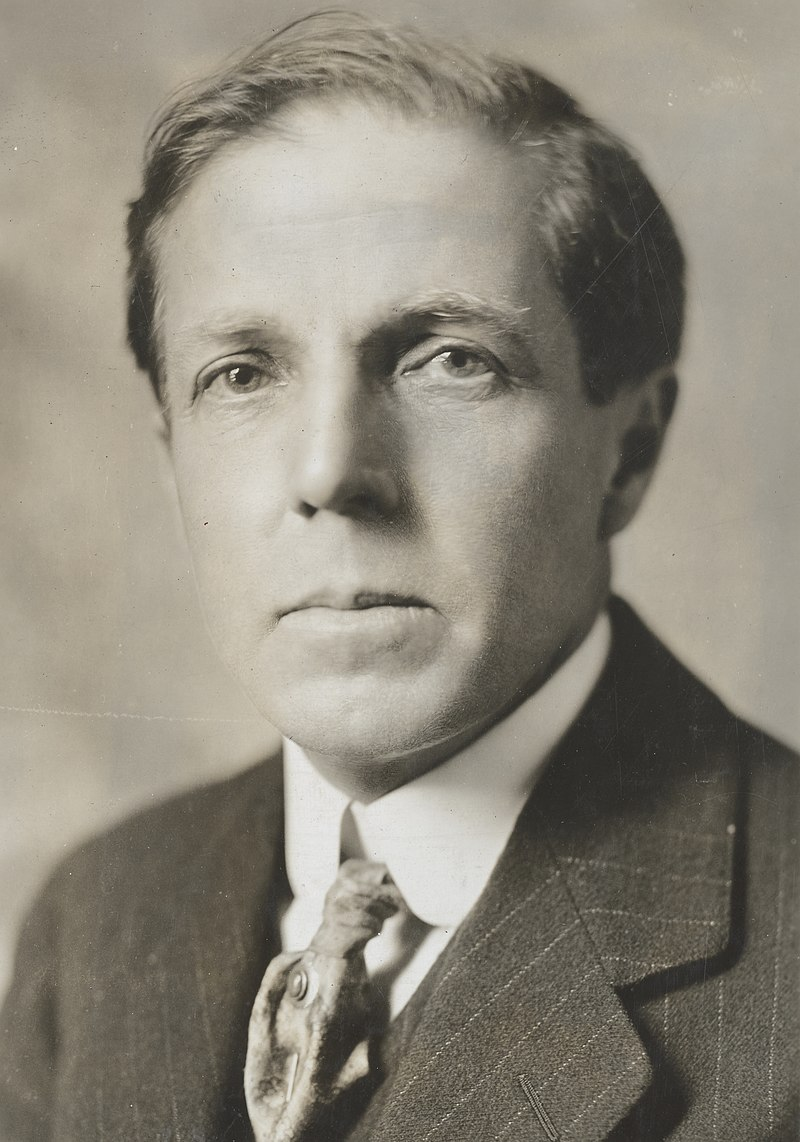
Vernon Kellogg (1867 – 1937) was an American entomologist (bug guy)
Vernon Lyman Kellogg was an American entomologist, evolutionary biologist, and science administrator. He established the Department of Zoology at Stanford University in 1894, and served as the first permanent secretary of the National Research Council in Washington, DC. "Vernon Lyman Kellogg". Phthiraptera Myspecies. Retrieved 2023-03-07. Early life and influences His father was Lyman Beecher Kellogg, first president of
20-Hydroxyecdysone, ecdysteroid hormone which controls the ecdysis (moulting) and metamorphosis of arthropods
20-Hydroxyecdysone (ecdysterone or 20E) is a naturally occurring ecdysteroid hormone which controls the ecdysis (moulting) and metamorphosis of arthropods. It is therefore one of the most common moulting hormones in insects, crabs, etc. It is also a phytoecdysteroid produced by various plants, including Cyanotis vaga, Ajuga turkestanica and Rhaponticum carthamoides where its purpose is presumably to disrupt the development and reproduction of insect pests. In arthropods, 20-hydroxyecdysone acts
Bursicon
Bursicon (from the Greek bursikos, pertaining to tanning) is an insect hormone which mediates tanning in the cuticle of adult flies. Structure The molecular structure of the hormone has been characterized rather recently. Bursicon is a 30 kDa neurohormone heterodimeric protein which is encoded by CG13419 gene and made of two cysteine knot subunits, Burs-α and Burs-β. Dewey EM, McNabb SL, Ewer J, et al.
Prothoracicotropic hormone (PTTH) formerly known as “brain hormone”
Prothoracicotropic hormone (PTTH) was the first insect hormone to be discovered. The chemical symbol for prothoracicotropic hormone is (C64H102N16O19S2). It was originally described simply as "brain hormone" by early workers such as Stefan Kopeć (1922) and Vincent Wigglesworth (1934), who realized that ligation of the head of immature insects could prevent molting or pupation of the body region excluded from the
Fat body
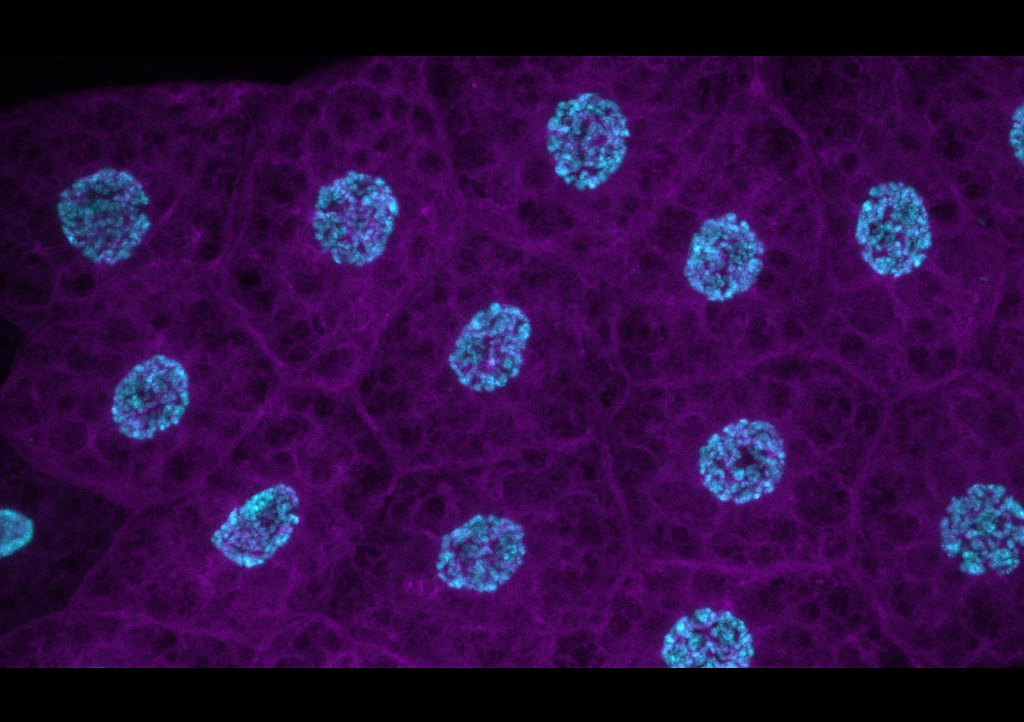
Fat body is a highly dynamic insect tissue composed primarily of storage cells. It is distributed throughout the insect's internal body cavity; the haemocoel, in close proximity to the epidermis, digestive organs and ovaries. Its main functions are nutrient storage and metabolism, for which it is commonly compared to a combination of adipose tissue and liver in mammals. However, it may
Phytoecdysteroids are plant-derived ecdysteroids
Phytoecdysteroids are plant-derived ecdysteroids. Phytoecdysteroids are a class of chemicals that plants synthesize for defense against phytophagous (plant eating) insects. These compounds are mimics of hormones used by arthropods in the molting process known as ecdysis. When insects eat the plants with these chemicals they may prematurely molt, lose
The halloween genes
The halloween genes are a set of genes identified in Drosophila melanogaster that influence embryonic development. All of the genes code for cytochrome P450 enzymes in the ecdysteroidogenic pathway (biosynthesis of ecdysone from cholesterol). Ecdysteroids such as 20-hydroxyecdysone and ecdysone influence many of the morphological, physiological, biochemical changes that occur during molting in insects. Gilbert LI, Rybczynski R, Warren JT (2002). "Control and biochemical
Chrysolina beetles, including Chrysolina coerulans, have cardiac glycosides (including xylose) in their defensive glands
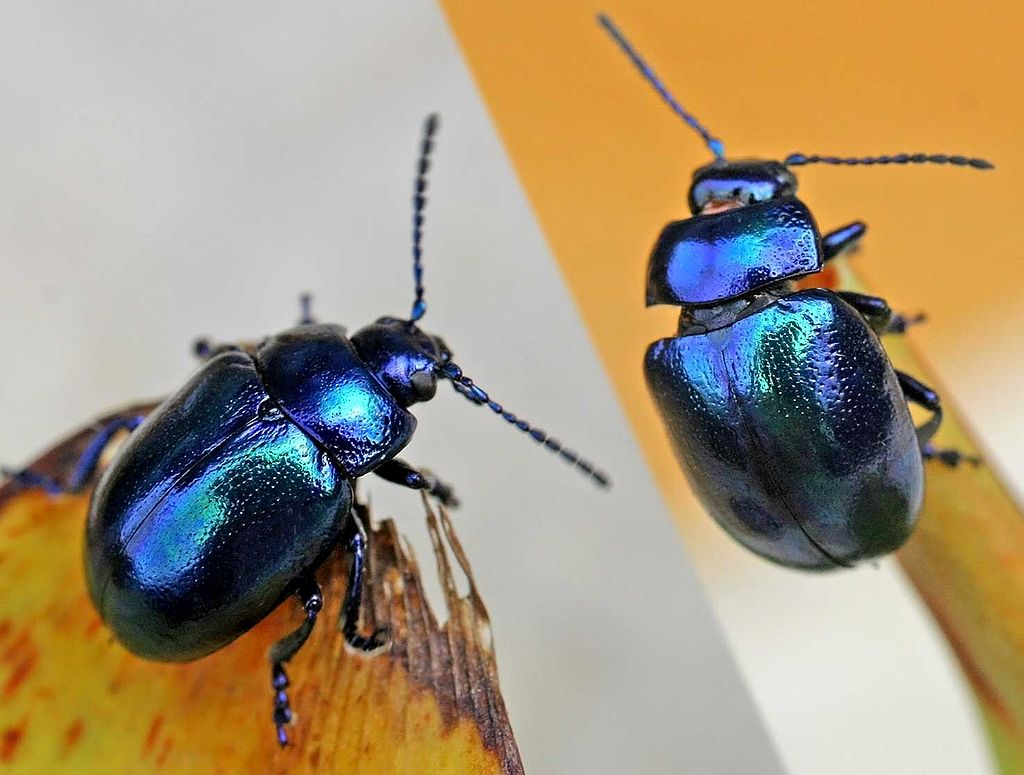
Chrysolina coerulans commonly known as the Blue Mint Beetle or Blue Mint Leaf Beetle. Coerulans is a form of the Latin noun caeruleus meaning "turning blue", or coeruleus meaning 'blue.' These beetles should not to be confused with the 'Green Mint Beetle' (or Chrysolina herbacea), as it is greener in appearance (emerald green,) and slightly larger in

Food coloring (list)
Food coloring A Acid orange 20 Alkanna tinctoria Alkannin Allura Red AC Amaranth (dye) Annatto Apocarotenal Astaxanthin Azorubine B Betanin Bisdemethoxycurcumin Black 7984 Borututu Brilliant Black BN Brilliant blue FCF Brown FK Brown HT C Canthaxanthin Caramel Caramel color Carmine Carotene Carthamin Chrysoine resorcinol Citranaxanthin Citrus Red 2 Clouding agent Cochineal Crocin Curcumin D Desmethoxycurcumin Ditaxis heterantha E Erythrosine F Fast Green FCF Fast Yellow AB Flavin mononucleotide Flavoxanthin Food orange 7 G Green S I Indigo carmine J Juglone K Kitchen Bouquet L L'Aquila saffron Linner hue index Lithol Rubine BK Lutein Lycopene M McCray v. United States O Orange B Orange GGN Orcein P Patent Blue V Ponceau 3R Ponceau 4R Ponceau 6R Purple