

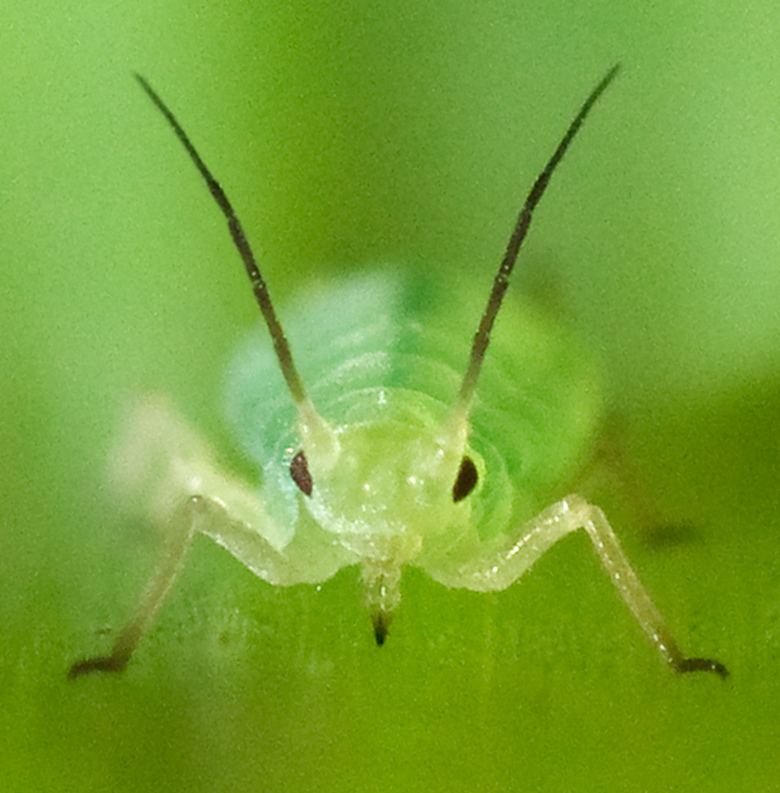
Aphids, carotenoids and photoheterotrophy
Some species of aphids have acquired the ability to synthesise red carotenoids by horizontal gene transfer from fungi. They are the only animals other than two-spotted spider mites and the oriental hornet with this capability. Using their carotenoids, aphids may well be able to absorb solar energy and convert it to a form that their
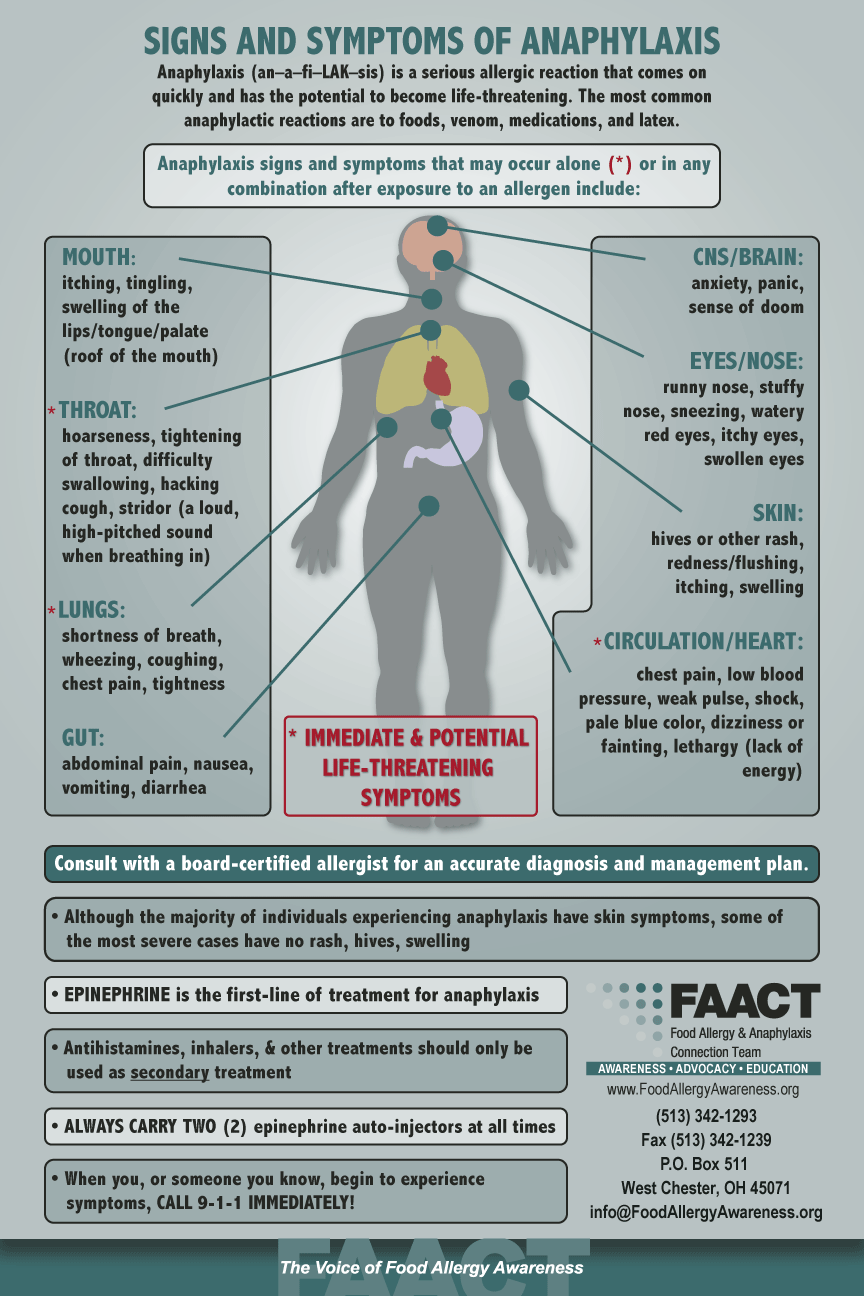
Allergolical (or allergological) syndrome that can show itself clinically with expressions of both respiratory allergy and alimentary allergy
Tabar AI, Acero S, Arregui C, Urdánoz M, Quirce S. Asma y alergia por el colorante carmín [Asthma and allergy due to carmine dye]. An Sist Sanit Navar. 2003;26 Suppl 2:65-73. Spanish. PMID: 13679965. Abstract Cochineal carmine, or simply carmine (E120), is a red colouring that is obtained
The chemical nature of flavokermesic acid
JanWouters∗AndréVerhecken The chemical nature of flavokermesic acid. Tetrahedron Letters Volume 28, Issue 11, 1987, Pages 1199-1202 Received 24 November 1986, Available online 9 March 2001 https://doi.org/10.1016/S0040-4039(00)95325-5 Abstract: Flavokermesic acid, a minor dye constituent isolated from Kermes insects, was identified as 1-methyl-3,6,8-trihydroxy-9,10-anthracene dione-2-carboxylic acid (synonym for laccaic acid
Production of Carminic Acid by Metabolically Engineered Escherichia coli
Production of Carminic Acid by Metabolically Engineered Escherichia coliDongsoo Yang, Woo Dae Jang, and Sang Yup Lee Journal of the American Chemical Society 2021 143 (14), 5364-5377 DOI: 10.1021/jacs.0c12406 Abstract: Carminic acid is an aromatic polyketide found in scale insects (i.e., Dactylopius coccus) and is a widely used

Carmine Controversy
Starbucks caught flack for using the ingredient in its strawberry-flavored drinks back in 2012, especially by vegans and those who didn't eat animals for religious reasons. (treehugger.com) Another article suggests they planned to replace the bugs in several products with lycopene.
Ryania speciosa, Ryanodine and Ryanoids
Ryania speciosa is a species of plant in the family Salicaceae. The species is significant partly because the ryanoid insecticides are derived from, and have the same mode of action as the alkaloid ryanodine, which was originally extracted from this South American plant, which is also used as a piscicide (fish poison). M. Vahl, 1797 In: Eclog. Am.
Cochineal
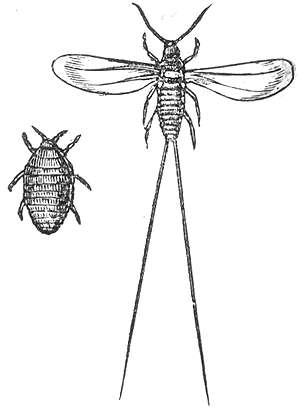
The cochineal (Dactylopius coccus) is a scale insect in the suborder Sternorrhyncha, from which the natural dye carmine is derived. A primarily sessile parasite native to tropical and subtropical South America through North America (Mexico and the Southwest United States), this insect lives on cacti in the genus Opuntia, feeding on plant moisture and nutrients. The insects are found on the pads
Polish Cochineal (Porphyrophora polonica)
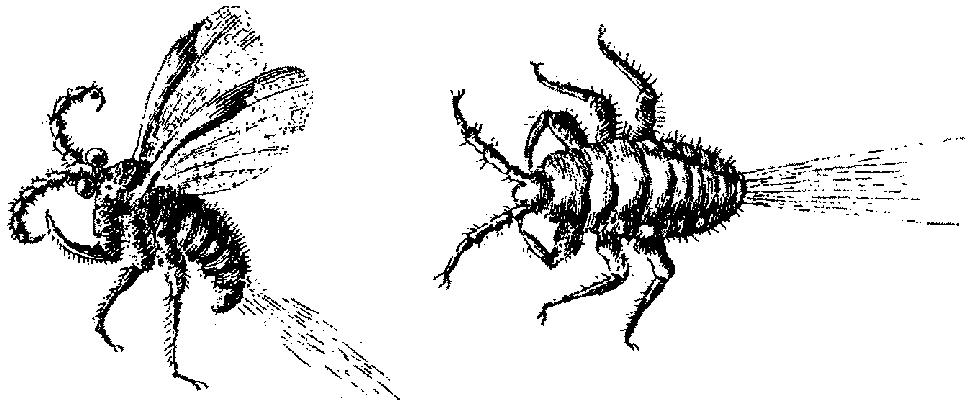
Polish cochineal (Porphyrophora polonica), also known as Polish carmine scales, is a scale insect formerly used to produce a crimson dye of the same name, colloquially known as "Saint John's blood". The larvae of P. polonica are sessile parasites living on the roots of various herbs—especially those of the perennial knawel—growing on the sandy soils of Central Europe and other parts of Eurasia. Before the

Armenian Cochineal (Porphyrophora hamelii)
The Armenian cochineal (Porphyrophora hamelii), also known as the Ararat cochineal or Ararat scale, is a scale insect indigenous to the Ararat plain and Aras (Araks) River valley in the Armenian Highlands and in Turkey. It was formerly used to produce an eponymous crimson carmine dyestuff known in Armenia as vordan karmir (Armenian: որդան կարմիր, literally "worm's red") and historically in Persia as kirmiz.[1][2][3][4][5][6] The species is critically endangered within Armenia.[7] The Armenian cochineal scale insect, Porphyrophora hamelii,
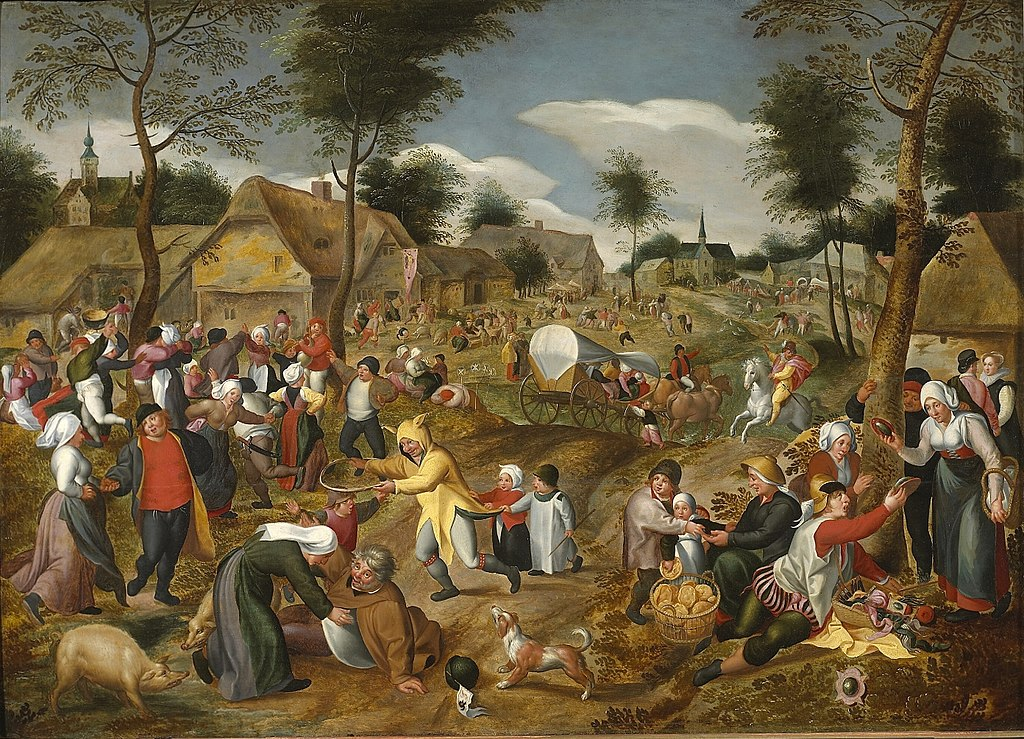
The crew of the Dutch ship Gelderland used the names “griff-eendt” and “kermisgans” for the dodo in 1598, in reference to fowl fattened for the Kermesse festival
The dodo (Raphus cucullatus) is an extinct flightless bird that was endemic to the island of Mauritius. Kermesse, or kermis, or kirmess, is a Dutch language term derived from 'kerk' (church) and 'mis' (mass) that became borrowed in English, French, Spanish and many other languages, originally denoting the mass said on the anniversary of the foundation of
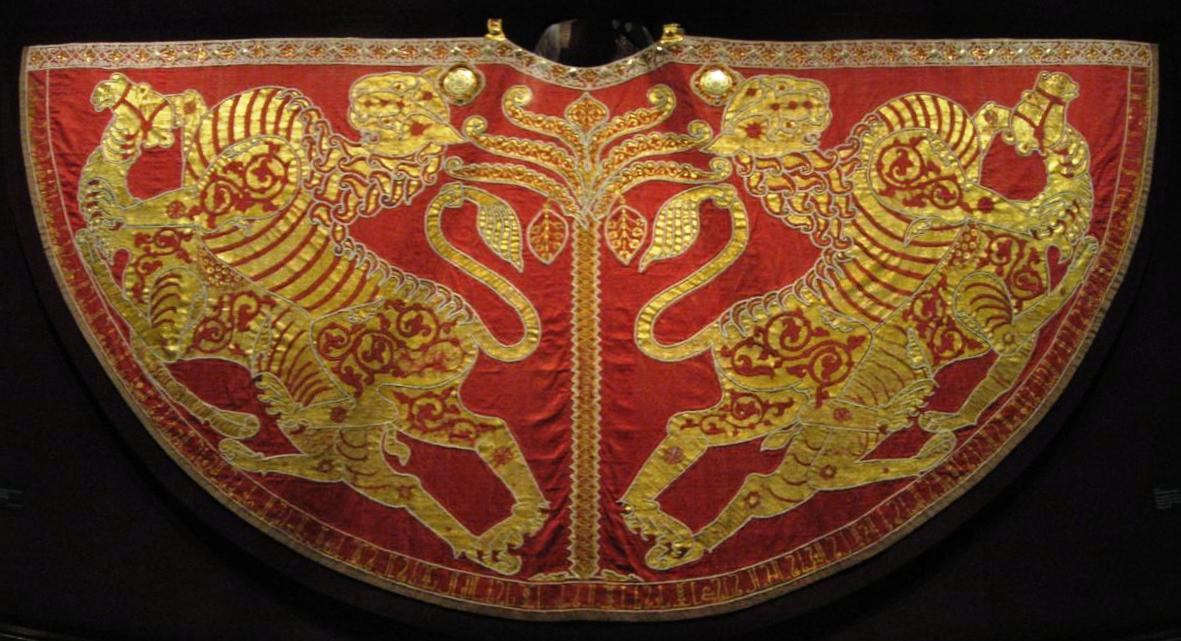
Kermes is a red dye
Kermes is a red dye derived from the dried bodies of the females of a scale insect in the genus Kermes, primarily Kermes vermilioThe Kermes insects are native in the Mediterranean region and are parasites living on the sap of the host plant, the Kermes oak (Quercus coccifera) and the Palestine oak (Quercus calliprinos). These insects were
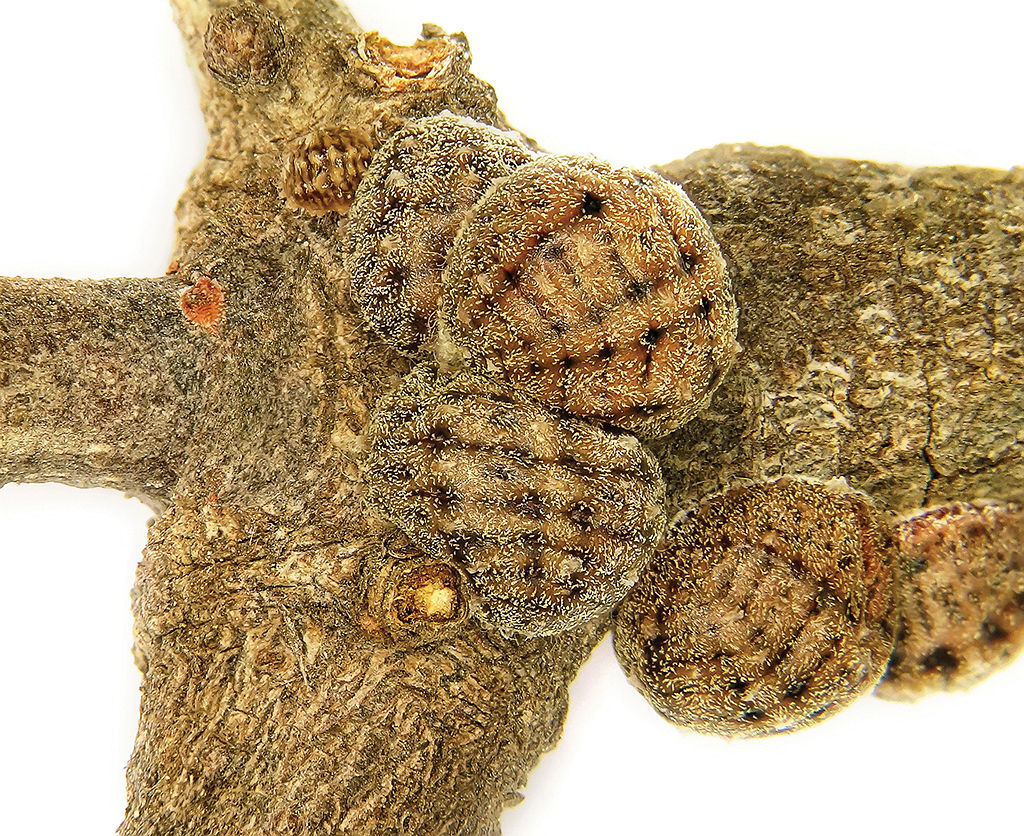
Kermes is a genus of scale insects in the order Hemiptera
Kermes echinatus Balachowsky mature reproductive females, general appearance. There are some 20 species,[3] including: Kermes bacciformis Leonardi, 1908 Kermes corticalis (Nassonov, 1908) Kermes echinatus (Balachowsky, 1953) Kermes gibbosus Signoret, 1875 Kermes ilicis (Linnaeus, 1758) Kermes roboris (Fourcroy, 1785) Kermes vermilio Planchon, 1864 References ^ Naturenet article with images and description of Kermes vermilio and its foodplant ^ "Crimson (n.)". Etymology Online. Retrieved 17 January 2020. ^ Spodek, Malkie; Ben-Dov, Yair (2012). "Morphology of the