




Three-finger proteins or three-finger protein domains (3FP or TFPD) are a protein superfamily consisting of small, roughly 60-80 amino acid residue protein domains with a common tertiary structure: three beta strand loops extended from a hydrophobic core stabilized by disulfide bonds. The family is named for the outstretched “fingers” of the three loops. Members of the family have no enzymatic activity, but are capable of forming protein-protein interactions with high specificity and affinity.Continue Reading
Von Willebrand factor (VWF) is a blood glycoprotein that promotes hemostasis, specifically, platelet adhesion. It is deficient and/or defective in von Willebrand disease and is involved in many other diseases, including thrombotic thrombocytopenic purpura, Heyde’s syndrome, and possibly hemolytic–uremic syndrome. Increased plasma levels in many cardiovascular, neoplastic, metabolic (e.g. diabetes), and connective tissue diseases are presumed to arise from adverse changes to the endothelium,Continue Reading

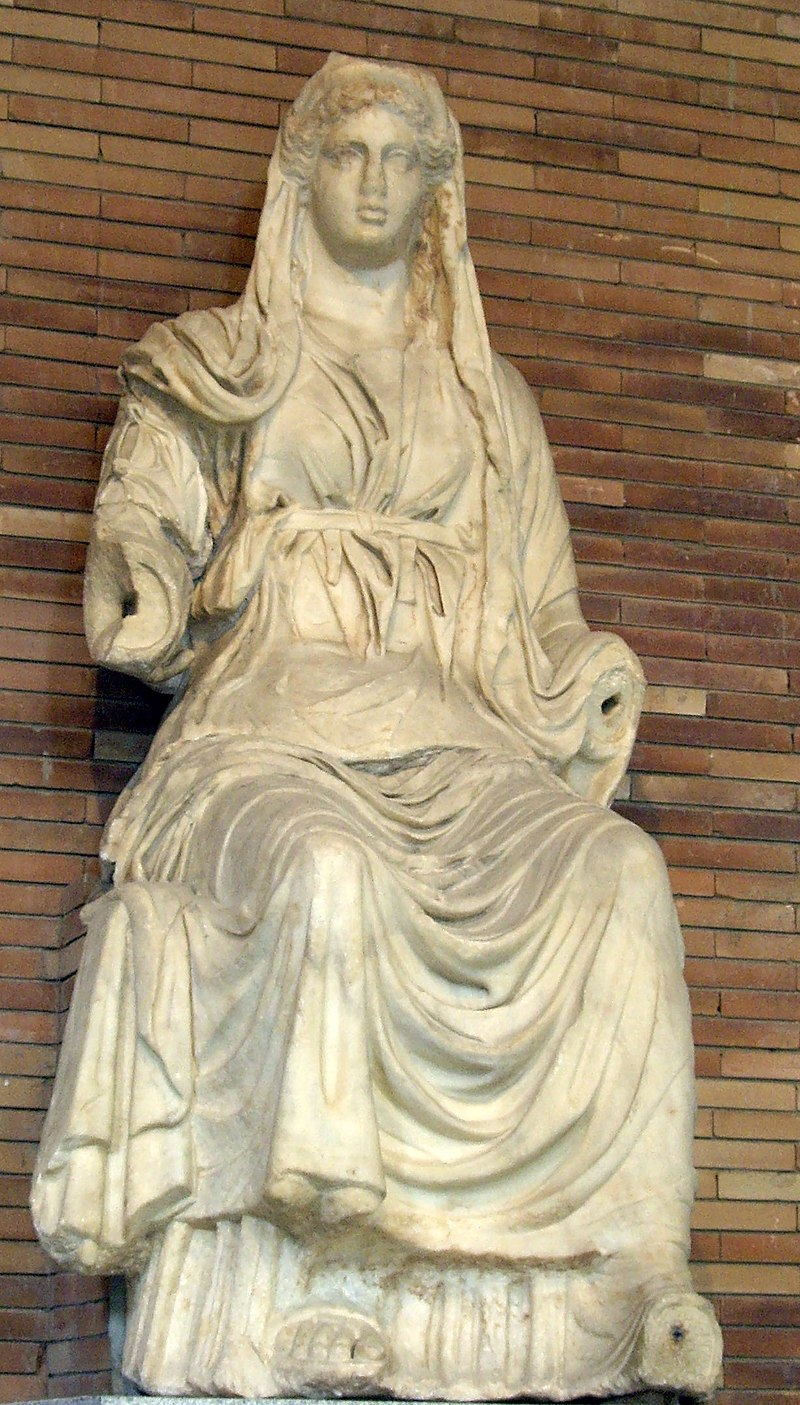
In ancient Roman religion, Ceres  was a goddess of agriculture, grain crops, fertility and motherly relationships. She was originally the central deity in Rome’s so-called plebeian or Aventine Triad, then was paired with her daughter Proserpina in what Romans described as “the Greek rites of Ceres”. Her seven-day April festival of Cerealia included the popular Ludi Ceriales (Ceres’ games). She was also honoured in the May lustration (lustratio) ofContinue Reading

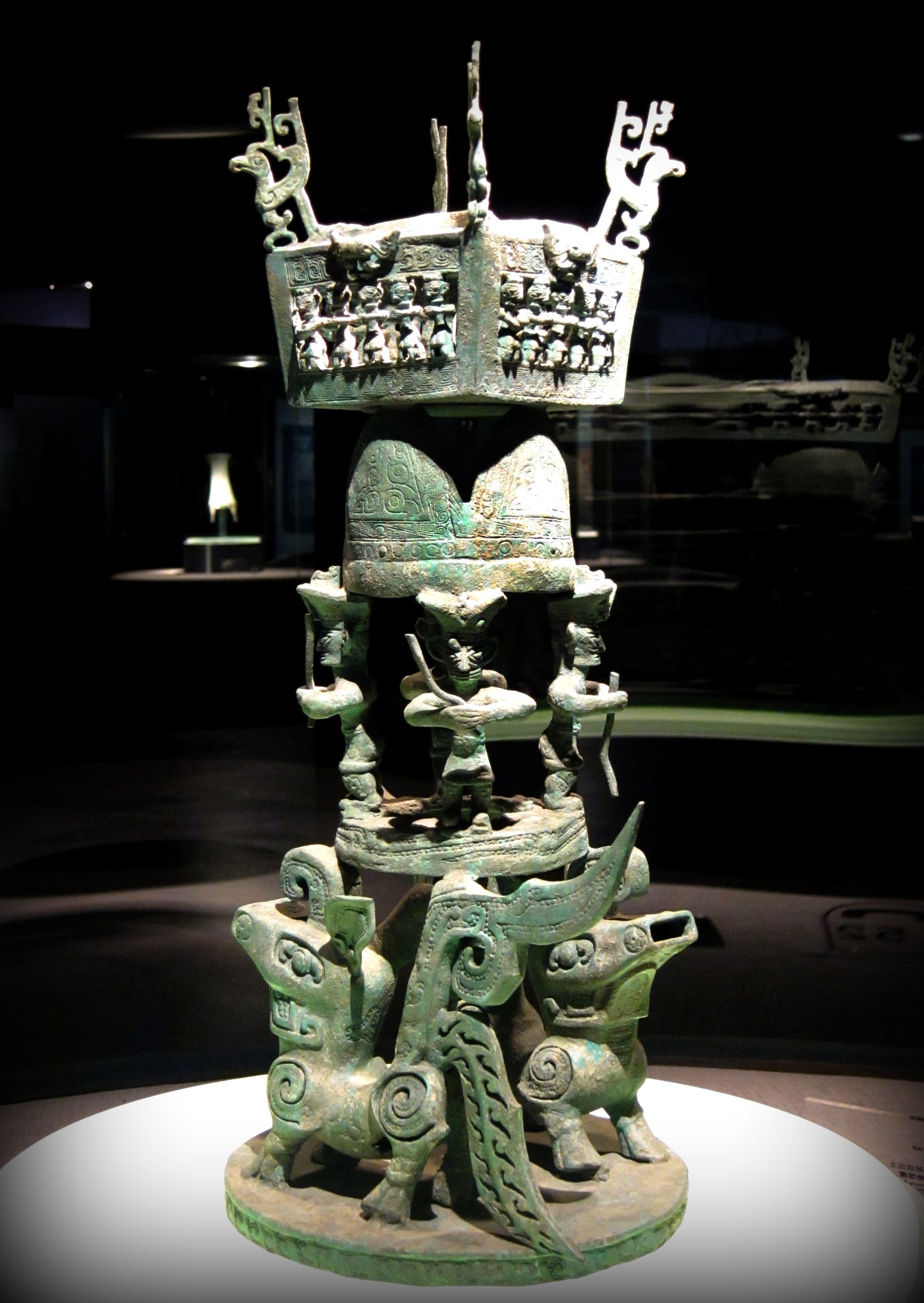
Sanxingdui (Chinese: 三星堆; pinyin: Sānxīngduī; lit. ‘Three Star Mound‘) is an archaeological site and a major Bronze Age culture in modern Guanghan, Sichuan, China. Largely discovered in 1986, following a preliminary finding in 1927, archaeologists excavated artifacts that radiocarbon dating placed in the twelfth–eleventh centuries BC. The archaeological site is the type site for the Sanxingdui culture that produced these artifacts, archeologists have identified the locale with the ancient kingdom of Shu. The artifactsContinue Reading

Here is a tale of pharmaceutical warfare that’ll make your scales stand on end! Welcome to Guam, where the brown tree snakes are throwing the wildest party since the Ice Age, and the locals are fighting back with… Tylenol? That’s right, folks! These slithery party crashers have been living itContinue Reading

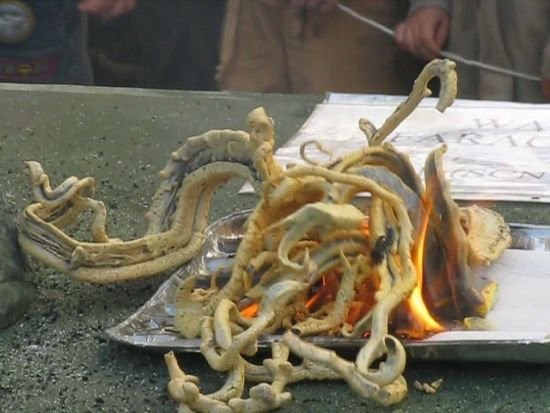
“Black snake” is a term that can refer to two similar types of fireworks: the Pharaoh’s snake and the sugar snake. The “Pharaoh’s snake” or “Pharaoh’s serpent” is the original version of the black snake experiment. It produces a more impressive snake, but its execution depends upon mercury (II) thiocyanate, which is noContinue Reading

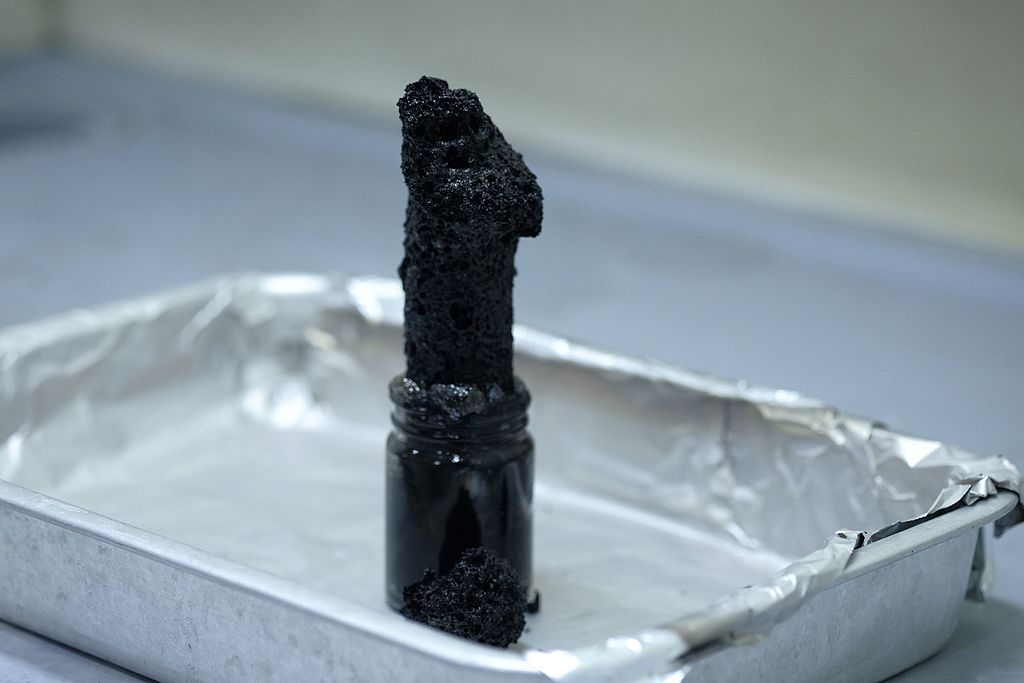
Carbon snake is a demonstration of the dehydration reaction of sugar by concentrated sulfuric acid. With concentrated sulfuric acid, granulated table sugar (sucrose) performs a degradation reaction which changes its form to a black solid-liquid mixture. The carbon snake experiment can sometimes be misidentified as the black snake, “sugar snake”, or “burning sugar” reaction, all of which involve baking soda ratherContinue Reading

According to Renaissance accounts, large, triangular fossil teeth often found embedded in rocky formations were believed to be petrified tongues of dragons and snakes and so were referred to as “tongue stones” or “glossopetrae”. Glossopetrae were commonly thought to be a remedy or cure for various poisons and toxins; they were used in the treatment of snake bites. DueContinue Reading

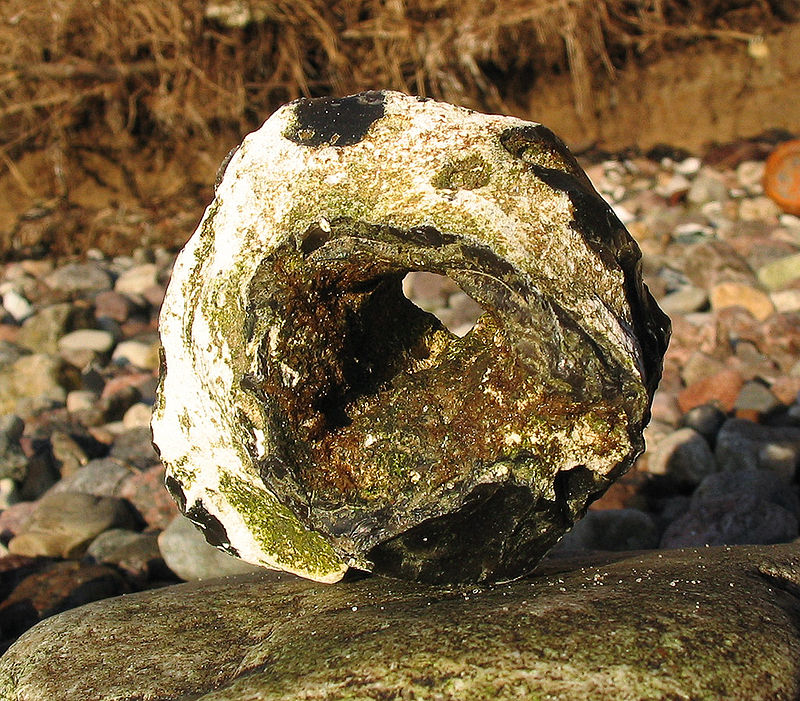
An adder stone is a type of stone, usually glassy, with a naturally occurring hole through it. Such stones, which usually consist of flint, have been discovered by archaeologists in both Britain and Egypt. Commonly, they are found in Northern Germany at the coasts of the North and Baltic Seas. In Britain they are also called hag stones, witch stones, serpent’s eggs, snake’s eggs,Continue Reading