

Arsenic Etymology
arsenic (n.) late 14c., “yellow arsenic, arsenic trisulphide,” from Old French arsenic, from Latin arsenicum, from late Greek arsenikon “arsenic” (Dioscorides; Aristotle has it as sandarake), adapted from Syriac (al) zarniqa “arsenic,” from Middle Persian zarnik “gold-colored” (arsenic trisulphide has…

Leech Etymology
leech (n.1) “bloodsucking aquatic worm,” from Old English læce (Kentish lyce), of unknown origin (with a cognate in Middle Dutch lake). Commonly regarded as a transferred use of leech (n.2), but according to OED the Old English…
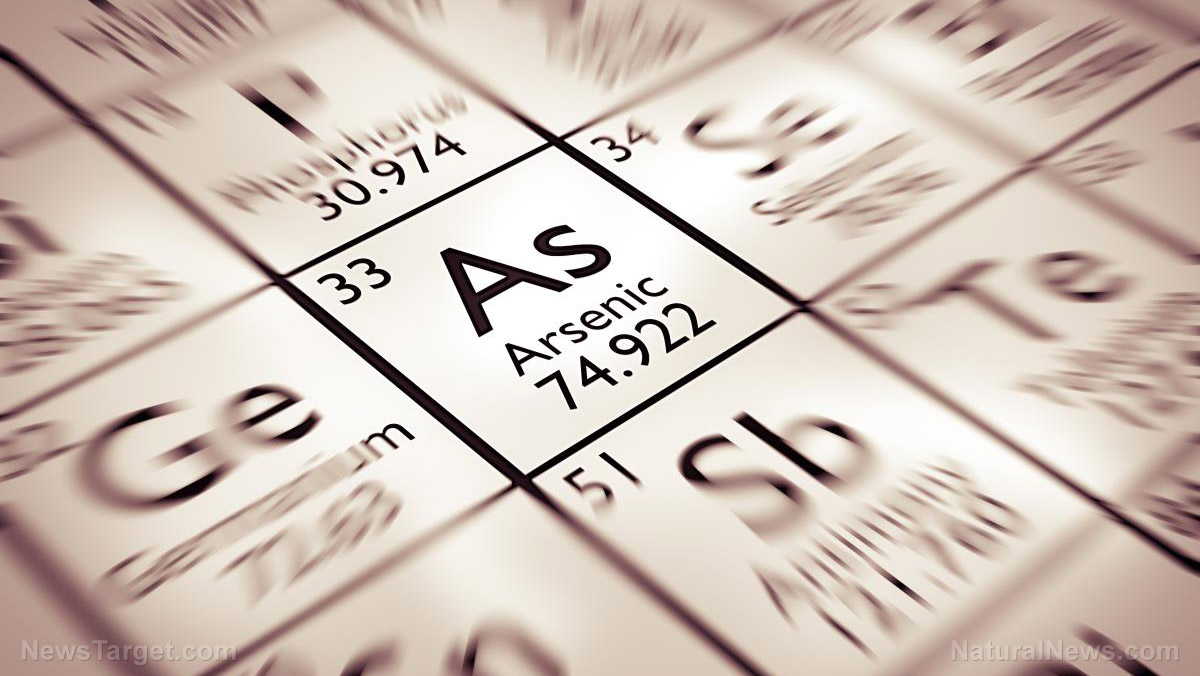
Arsenic at Wellcome Collection
539 Results for “arsenic” Arsenic in drinking water / Subcommittee on Arsenic in Drinking Water, Committee on Toxicology, Board on Environmental Studies and Toxicology, Commission on Life Sciences, National Reseach…

Leeches at Wellcome Collection
61 Results for “Leeches” A fierce battle between the supporters of John Brown (Bruno), in favour of treatment with stimulants, and those of F.J.V. Broussais, in favour of bloodletting. Pen…


Arsenic and Old Leeches
In 1816 Dr. James Rawlins Johnson published his Treatise on the Medicinal Leech. Besides the aforementioned methods of leech use, he studied the leech itself with exacting care. He tested to…

The tale known as “The Poison Dress” or “Embalmed Alive” features a dress that has in some way been poisoned
The tale known as “The Poison Dress” or “Embalmed Alive“[1] features a dress that has in some way been poisoned. This is a recurring theme throughout legends and folktales of various cultures, including ancient Greece, Mughal…


Green synthesis of gold nanoparticles using aspartame and their catalytic activity for p-nitrophenol reduction
Wu S, Yan S, Qi W, Huang R, Cui J, Su R, He Z. Green synthesis of gold nanoparticles using aspartame and their catalytic activity for p-nitrophenol reduction. Nanoscale Res…

Aspartame Notes
NOTES ASPARTAME Under various names, aspartame is an ingredient in tens of thousands of consumables. some researchers suggest it is “by far” the most dangerous food additive. this is a…
Bacterial biofilms on gold grains
Implications for geomicrobial transformations of gold