


The age-old debate between hard rock and heavy metal
In ancient Egypt, flint was the very essence of divinity. Imagine the god Thoth, with his ibis head and scribe’s palette, his heart not of flesh and blood, but of…
Ascus (Mythology)
Ascus (Ancient Greek: Ἄσκος) was a giant from ancient Greek mythology, who in conjunction with Lycurgus of Thrace chained the god Dionysus and threw him into a river. The god Hermes (or, according to other tellings, Zeus) rescued Dionysus, conquered…
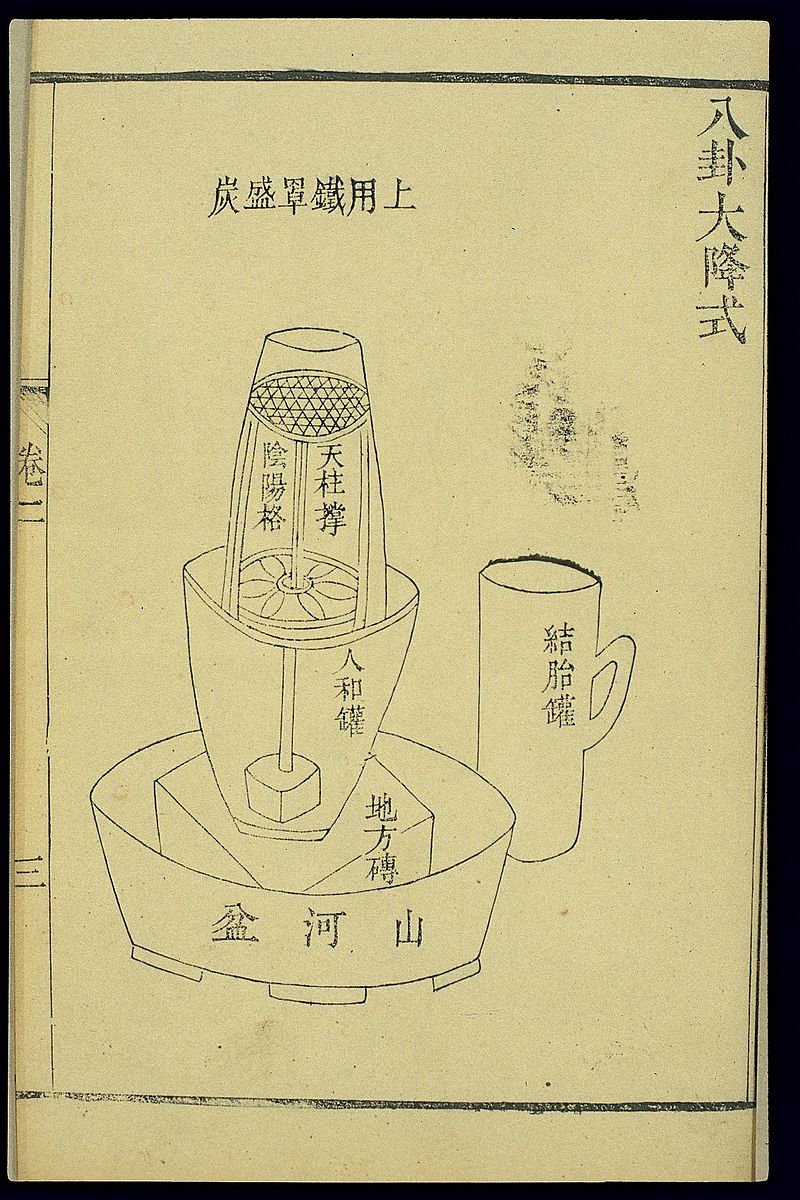
Langgan 琅玕 is the ancient Chinese name of a gemstone which remains an enigma in the history of mineralogy; it has been identified, variously, as blue-green malachite, blue coral, white coral, whitish chalcedony, red spinel, and red jade
It is also the name of a mythological langgan tree of immortality found in the western paradise of Kunlun Mountain, and the name of the classic waidan alchemical elixir of immortality langgan huadan 琅玕華丹 “Elixir Efflorescence of Langgan”. Waidan,…
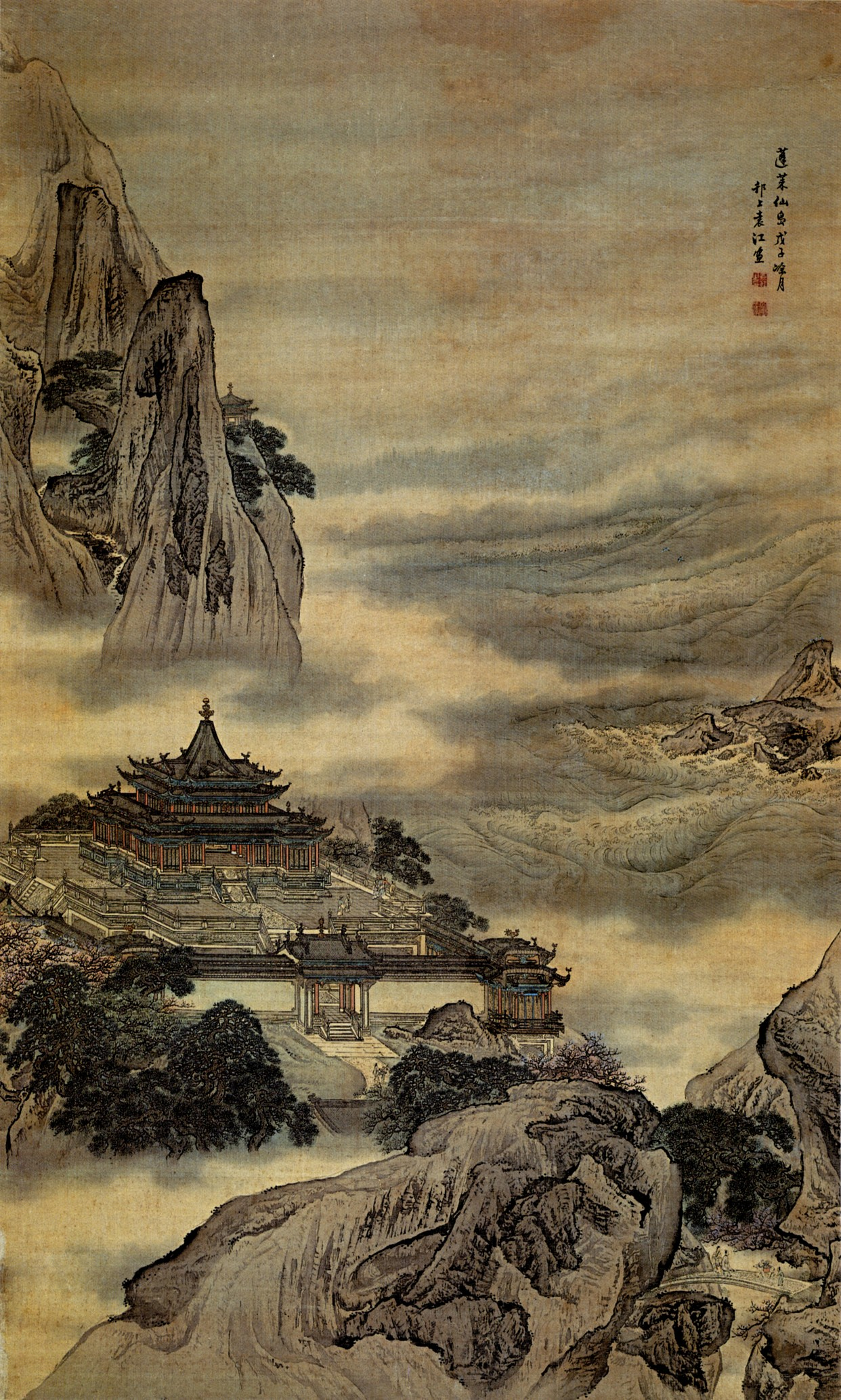
In Chinese alchemy, elixir poisoning refers to the toxic effects from elixirs of immortality that contained metals and minerals such as mercury and arsenic
In Chinese alchemy, elixir poisoning refers to the toxic effects from elixirs of immortality that contained metals and minerals such as mercury and arsenic. The official Twenty-Four Histories record numerous Chinese emperors, nobles, and officials who died from taking elixirs to prolong their lifespans.…
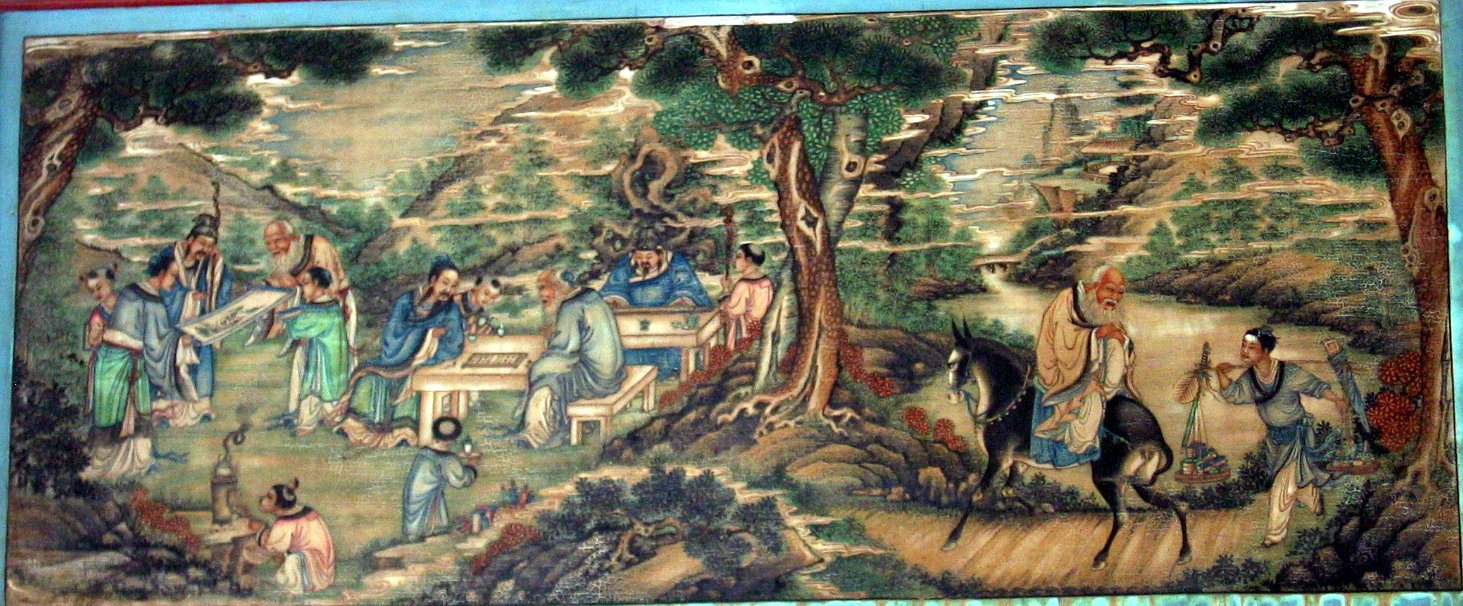
Cold-Food Powder or Five Minerals Powder, poisonous psychoactive drug popular during the Six Dynasties (220–589) and Tang dynasty (618–907)
Cold-Food Powder (Chinese: 寒食散; pinyin: hánshísǎn; Wade–Giles: han-shih-san) or Five Minerals Powder (Chinese: 五石散; pinyin: wǔshísǎn; Wade–Giles: wu-shih-san) was a poisonous psychoactive drug popular during the Six Dynasties (220–589) and Tang dynasty (618–907) periods of China. Terminology Both Chinese names hanshisan and wushisan have the suffix -san (散, lit. “fall apart; scattered”), which means “medicine in powdered form” in Traditional Chinese…
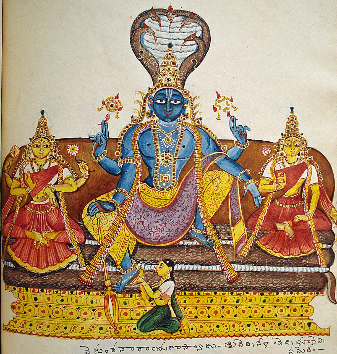
Kaustubha, divine ruby or gem in Hindu mythology
Kaustubha (Sanskrit: कौस्तुभ, romanized: Kaustubha, lit. ‘crest jewel’) is a divine ruby or ratnam (gem) in Hindu mythology.[1] This gem is in the possession of Vishnu, granting him the epithet of Kaustubhadhari. It is believed in Hindu scriptures to be the most magnificent ratnam in all…
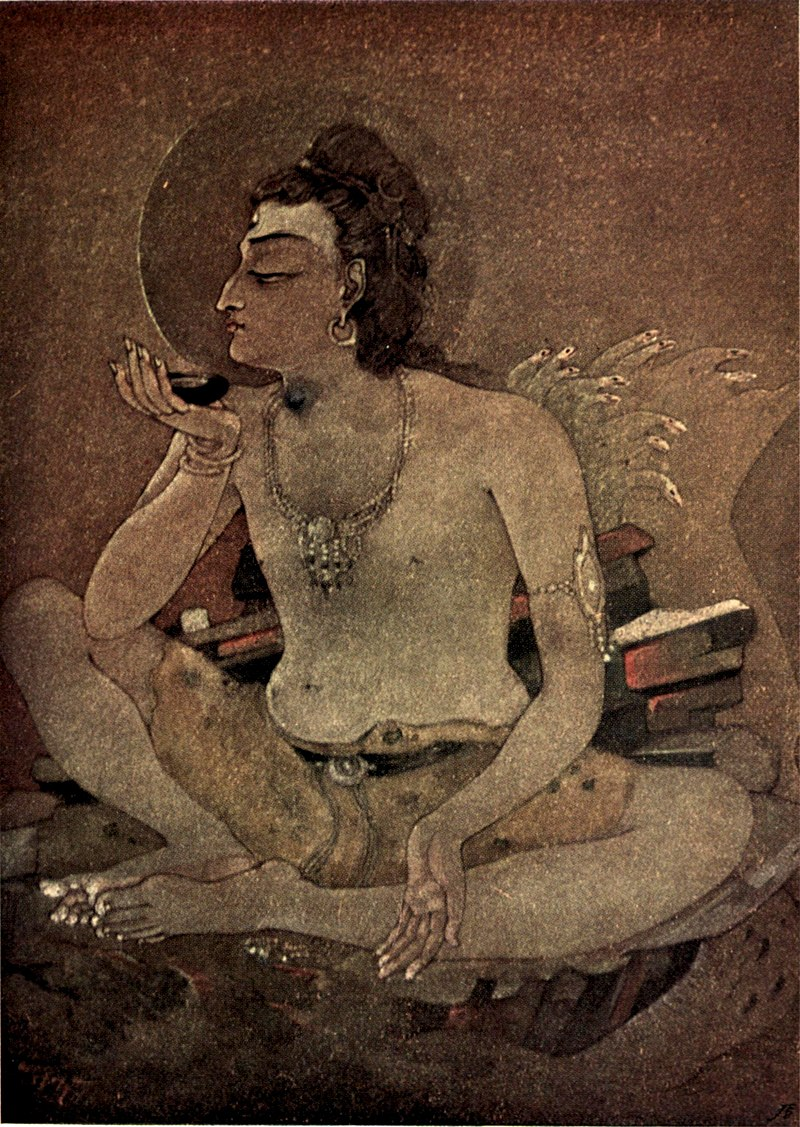
Halāhala or kālakūṭa poison
Halāhala (Sanskrit हलाहल) or kālakūṭa (Sanskrit कालकूटं, literally: ‘black mass’ or ‘time puzzle’[1]) is the name of a poison in Hindu mythology. It was created from the Ocean of Milk when the devas and the asuras churned it (see Samudra Manthana) in order…

Kodoku: The Venomous Vortex of Ancient Curses
Here’s one that might make your skin crawl and your blood run cold! Welcome to the world of Kodoku, the sinister sorcery that turns creepy crawlies into catastrophic curses! Imagine,…

Gu: The Venomous Vortex of Ancient Chinese Sorcery
Here is another that may make your skin crawl and your blood run cold! Welcome to the world of Gu, the sinister sorcery that turns creepy crawlies into catastrophic curses!…

Freeze branding aka CryoBranding and the resulting brands, trichoglyphs, is a technique involving a cryogenic coolant instead of heat to produce permanent marks on a variety of animals
The coolant is used to lower the temperature of a branding iron such that its application to shaved skin will permanently alter hair follicles. The intense cold destroys the pigmentation apparatus in the animal’s hair follicles, leaving all subsequent hair growth…
The Goldfinch in art
The goldfinch is a widespread and common seed-eating bird in Europe, North Africa, and western and central Asia. As a colourful species with a pleasant twittering song, and an associated belief…
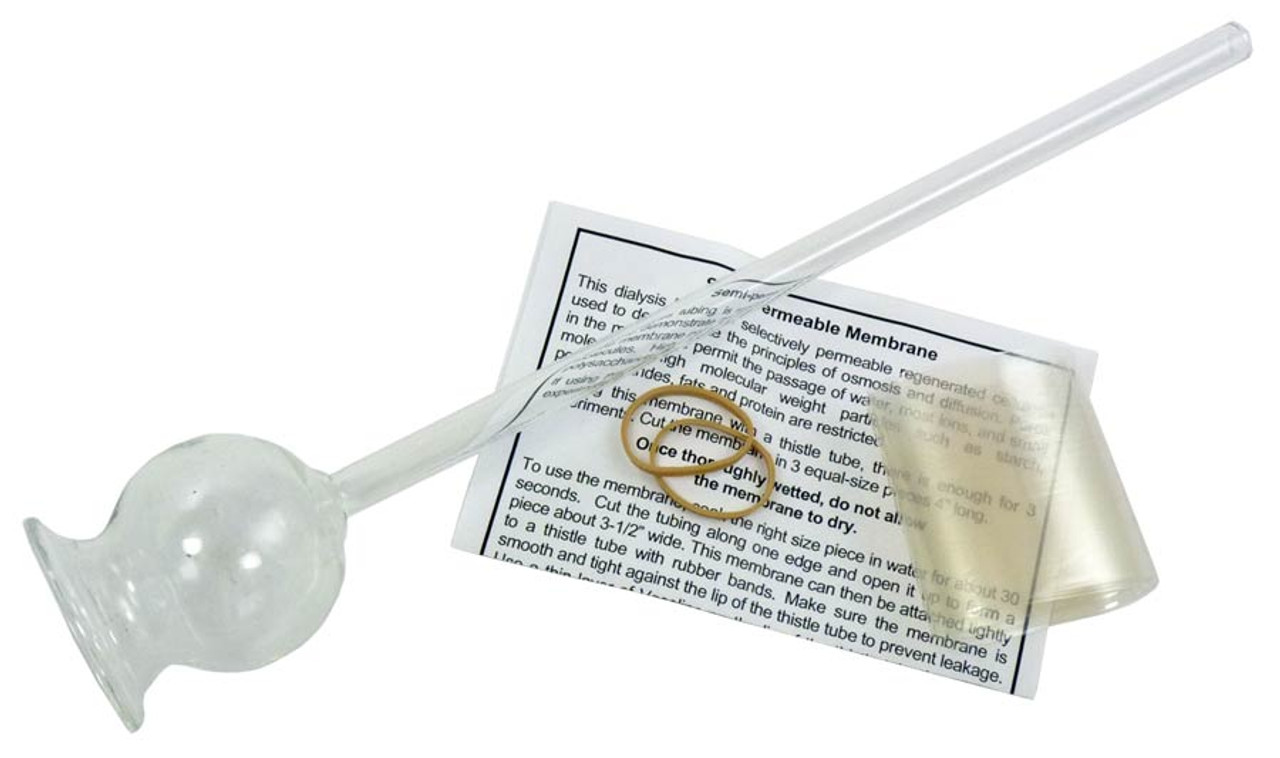
Thistle tubes, thistle feeders, distelfinks and goldfinches
A thistle tube is a piece of laboratory glassware consisting of a shaft of tube, with a reservoir and funnel-like section at the top. Thistle tubes are typically used by chemists to add liquid to an existing system or…