
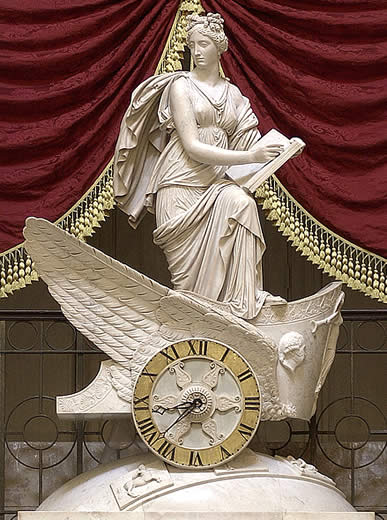
Car of History chariot clock features a life size statue of Clio, the muse of history
A chariot clock is a type of mantel/table figural clock in the form of a chariot whose dial is set into the wheel or elsewhere, its origins date back to the second half of the 16th century…
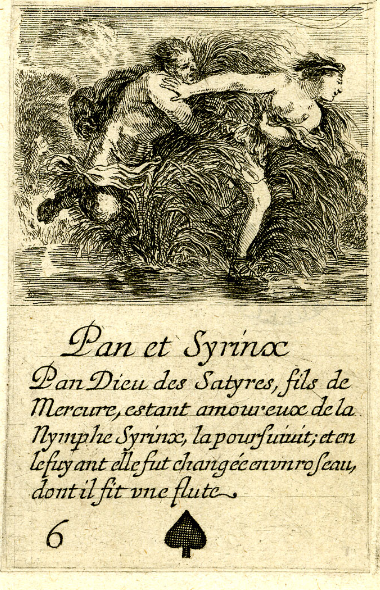
In classical Greek mythology, Syrinx was a nymph and a follower of Artemis, known for her chastity
Mythology Story Syrinx was a beautiful wood nymph who had many times attracted the attention of satyrs, and fled their advances in turn. She worshipped Artemis, the goddess of wilderness, and…
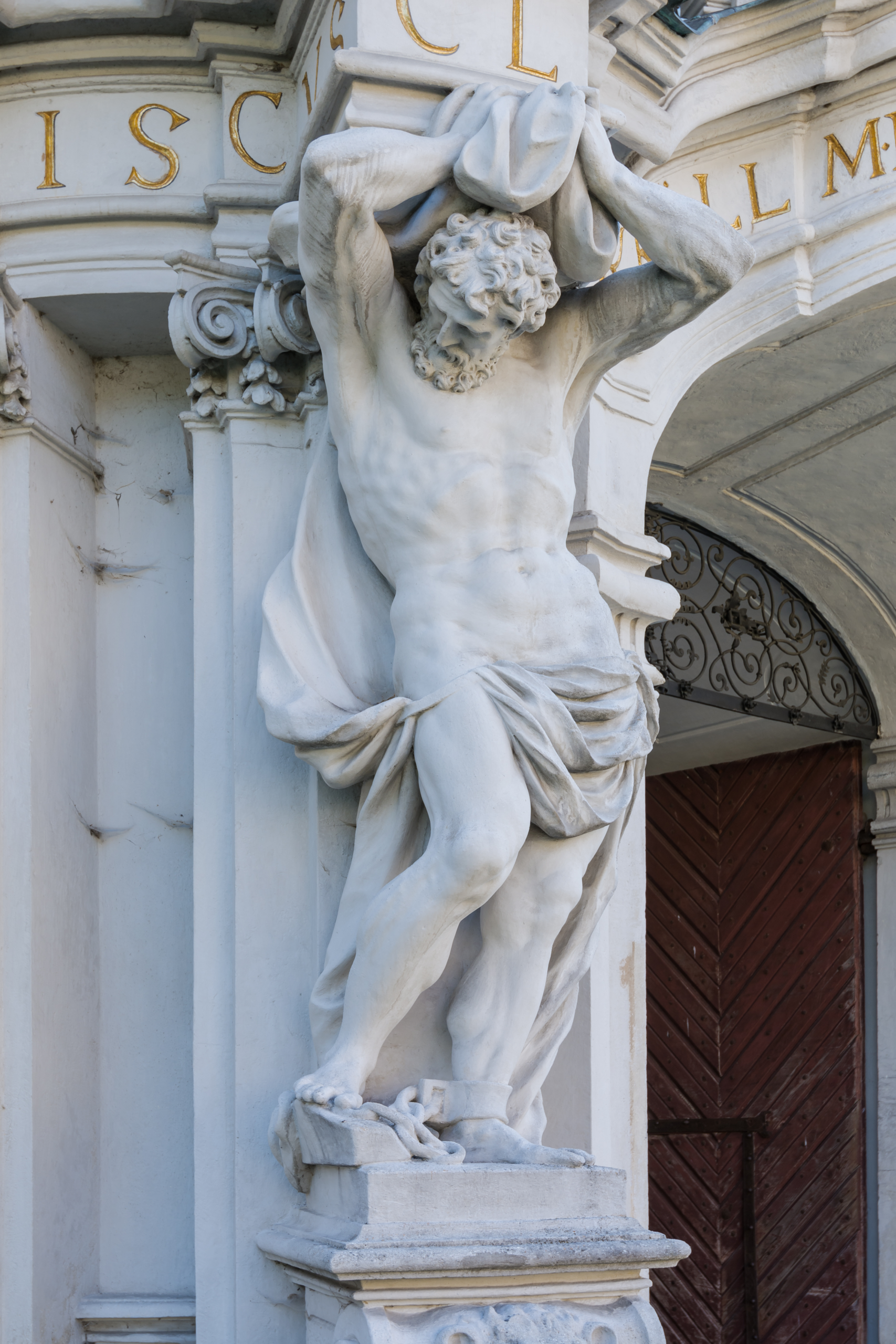
Atlantes (architecture)
In European architectural sculpture, an atlas (also known as an atlant, or atlante or atlantid; plural atlantes) is a support sculpted in the form of a man, which may take the place of a column, a pier or a pilaster. The Roman term…
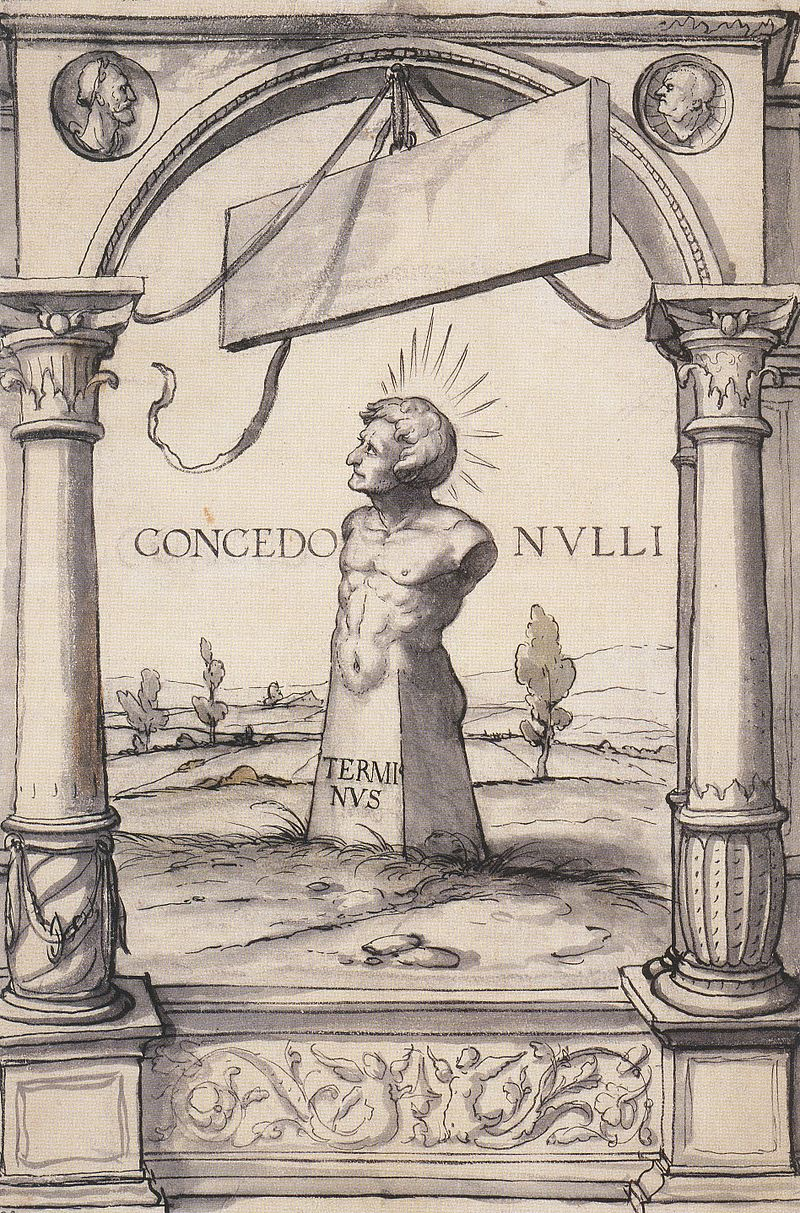
Terminus (Roman god)
In Roman religion, Terminus was the god who protected boundary markers; his name was the Latin word for such a marker. Sacrifices were performed to sanctify each boundary stone, and landowners celebrated a festival called the “Terminalia” in…
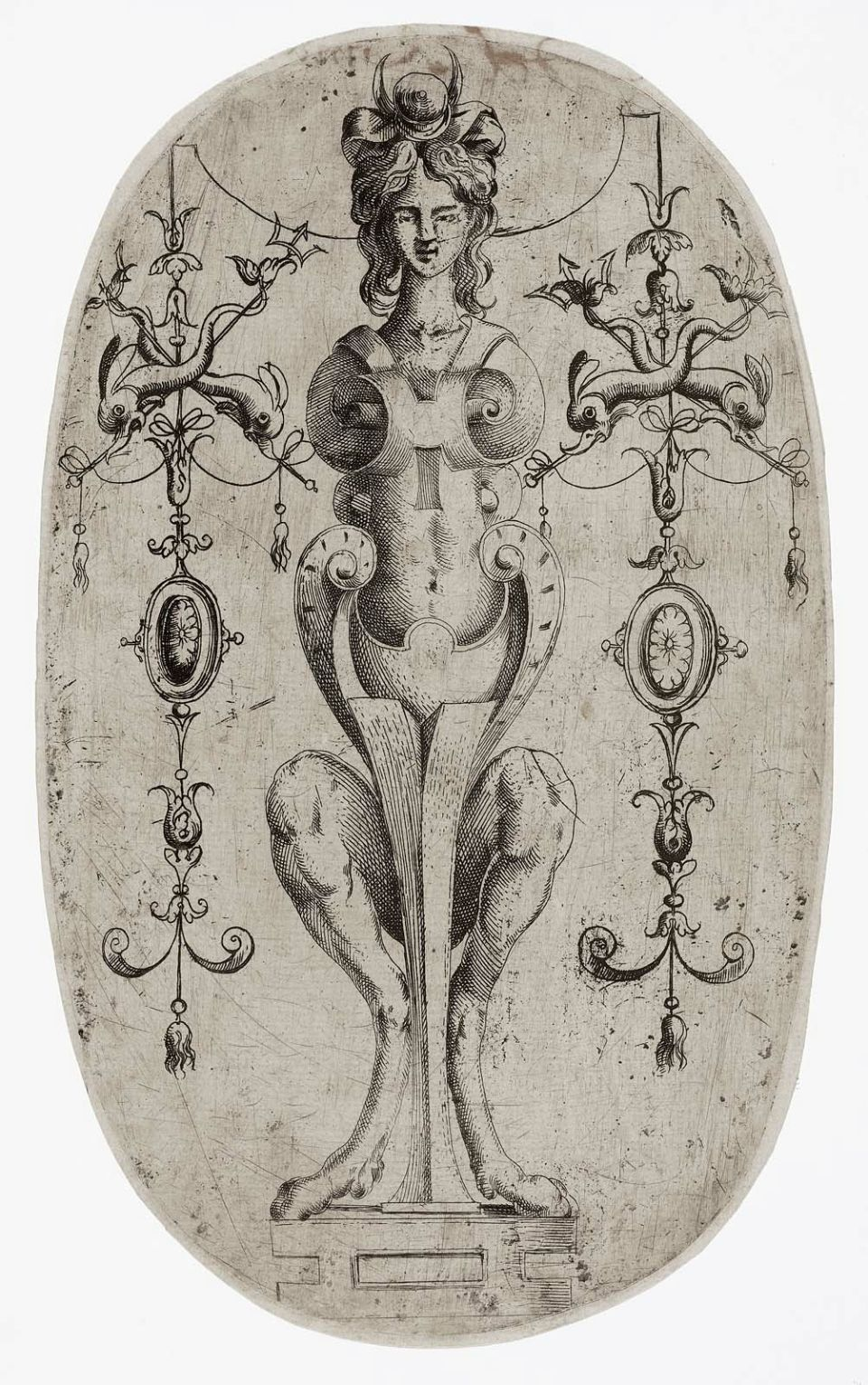
Terms, not to be confused with Herms…sometimes (architecture)
In Classical architecture and in art a term or terminal figure (plural: terms or termini) is a human head and bust that continues down as a square tapering pillar-like form. It is usually distinguished from a herm, which has a…
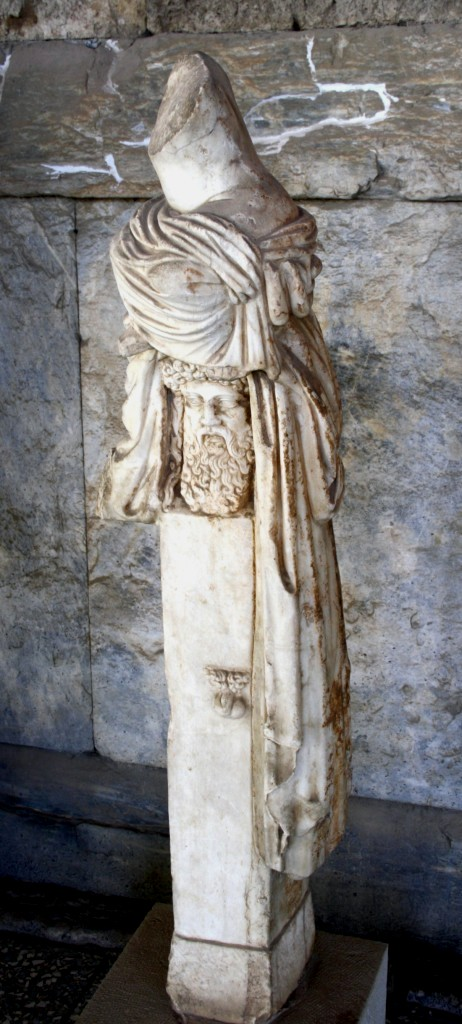
Statue of Hermes (five fables)
There are five fables of ancient Greek origin that deal with the statue of Hermes. All have been classed as burlesques that show disrespect to the god involved and some scepticism concerning…
Herma
Picture this: You’re strolling through a classical Greek agora, minding your own business, when BAM! You’re face-to-face with a square pillar sporting a head, maybe some pecs if you’re lucky,…
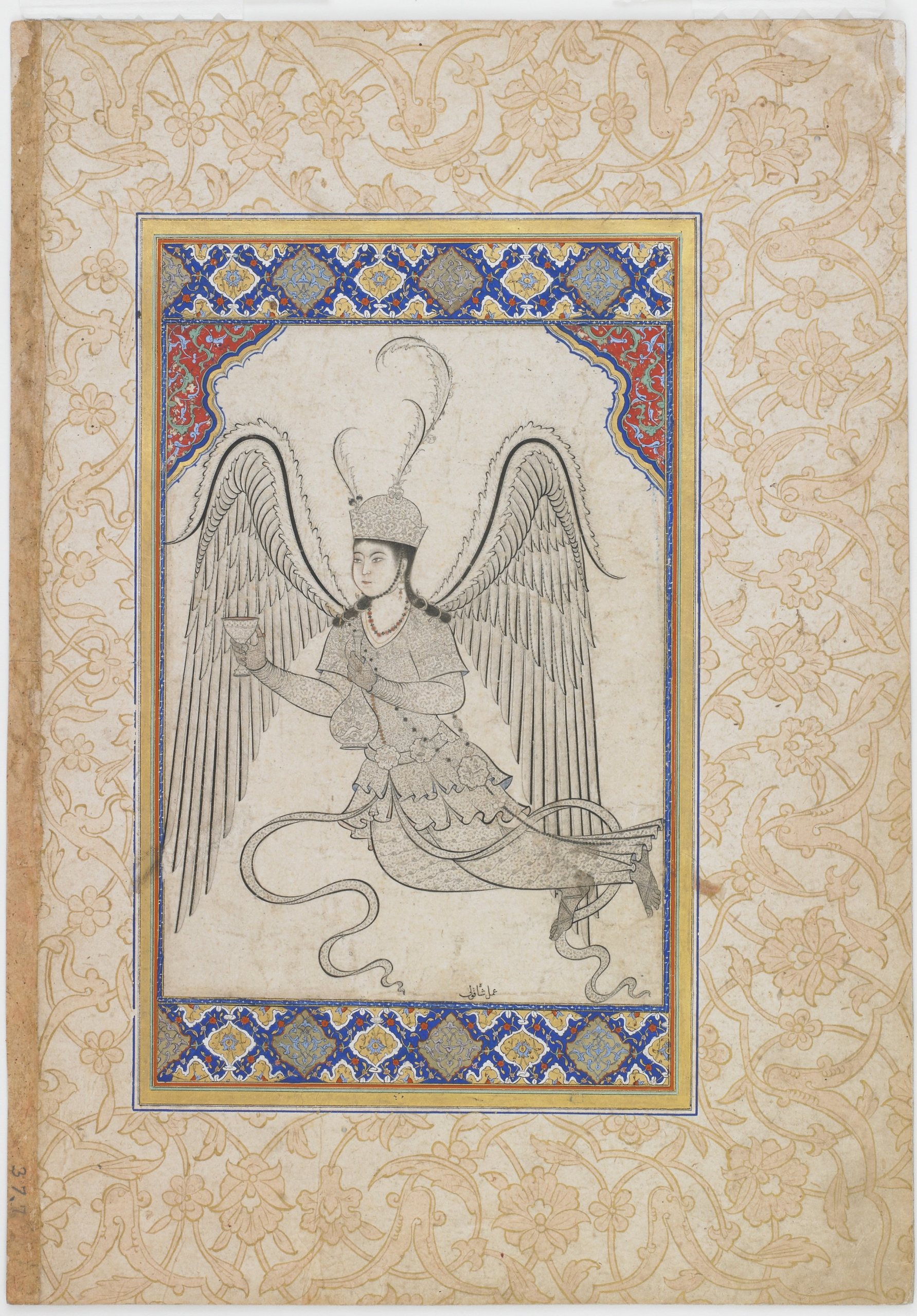
Peris
In Persian mythology, Peris are exquisite, winged spirits renowned for their beauty. Peris were later adopted by other cultures. They are described in one reference work as mischievous beings that have been denied entry to paradise until they…
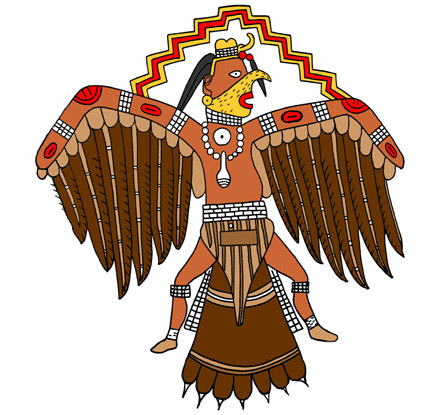
Red Horn (Hešucka) aka He Who Wears (Man) Faces on His Ears and Big Boy…and Werebirds
Red Horn is a culture hero in Siouan oral traditions, specifically of the Ioway and Hocąk (Winnebago) nations. He has different names. Only in Hocąk literature is he known as “Red Horn” (Hešucka), but among the Ioway and Hocągara…
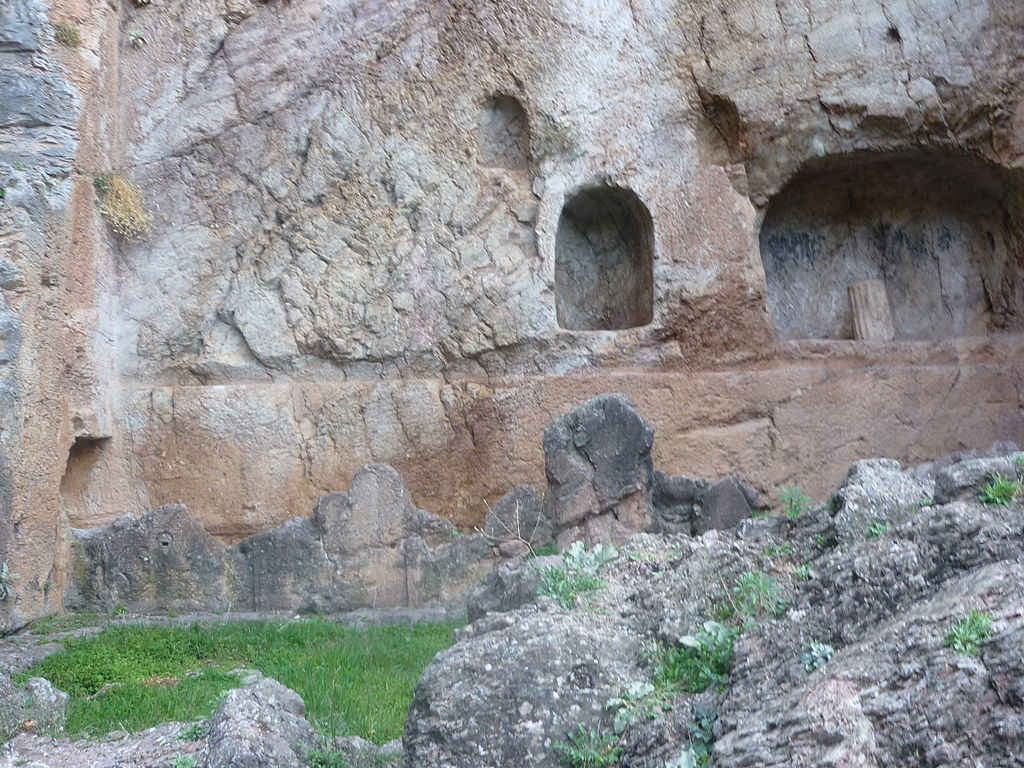
Castalian Spring
The Castalian Spring, in the ravine between the Phaedriades at Delphi, is where all visitors to Delphi — the contestants in the Pythian Games, and especially pilgrims who came to consult the Delphic Oracle — stopped to wash themselves…
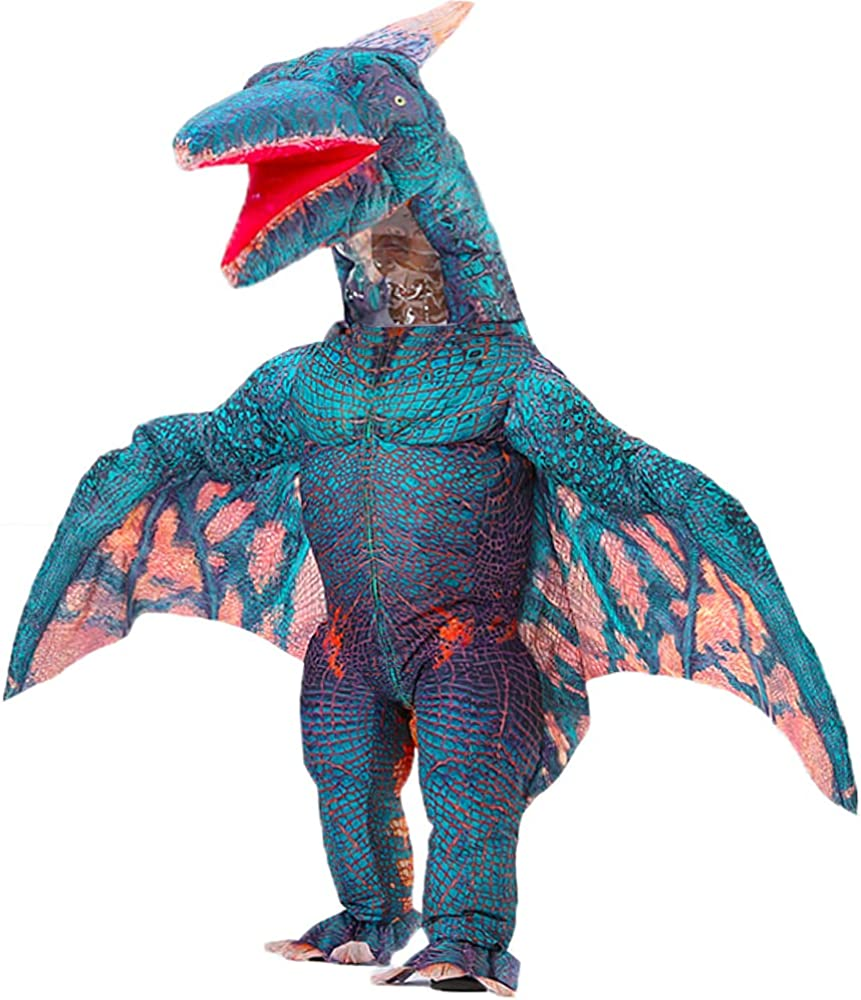
Pterion and Pteron Notes
The pterion is the region where the frontal, parietal, temporal, and sphenoid bones join. It is located on the side of the skull, just behind the temple. Structure The pterion is located in the temporal fossa, approximately 2.6 cm behind and 1.3 cm…
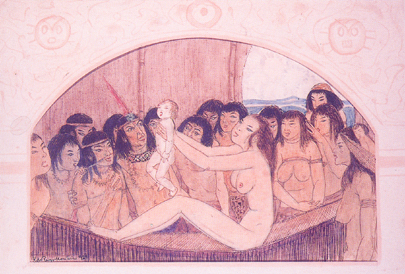
The Amazonian legend of Maní is related to the cult of Manioc, the native staple food that sprang from her grave
Maní, a Tupí myth of origins, is the name of an indigenous girl with very fair complexion. The Amazonian legend of Maní is related to the cult of Manioc, the native staple food that sprang from…