

 🔥 Salt Snatchers and The Cosmic Stick-Up of Your Soul’s Swagger (with receipts)
 ⚡⚡Voltage Famine: Sodium, SCN⁻, and the Biochemical Coup
 🧂 Sodium & SCN⁻: The Stratified Terrain of School Meals
 👁️ Sodium & SCN⁻ as Ocular Guardians
 🧬 How PTH and Vitamin D Pills Mask Sodium Deficiency
 🧂 Salt-Linked Town Suffixes (and stuff)
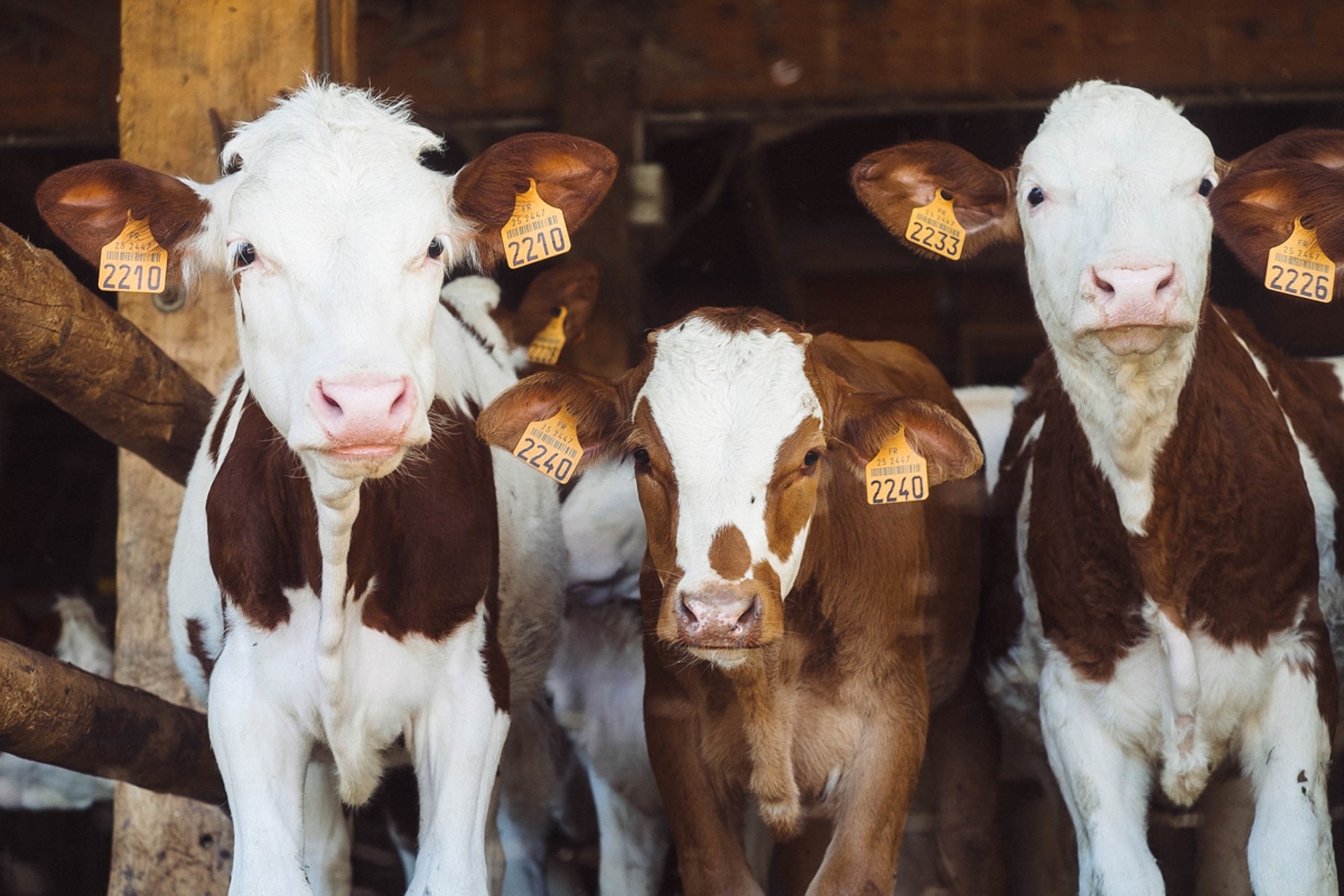 🐄📜 The Culling Threshold: Rapeseed Meal, Livestock Illness, Birth of Canola

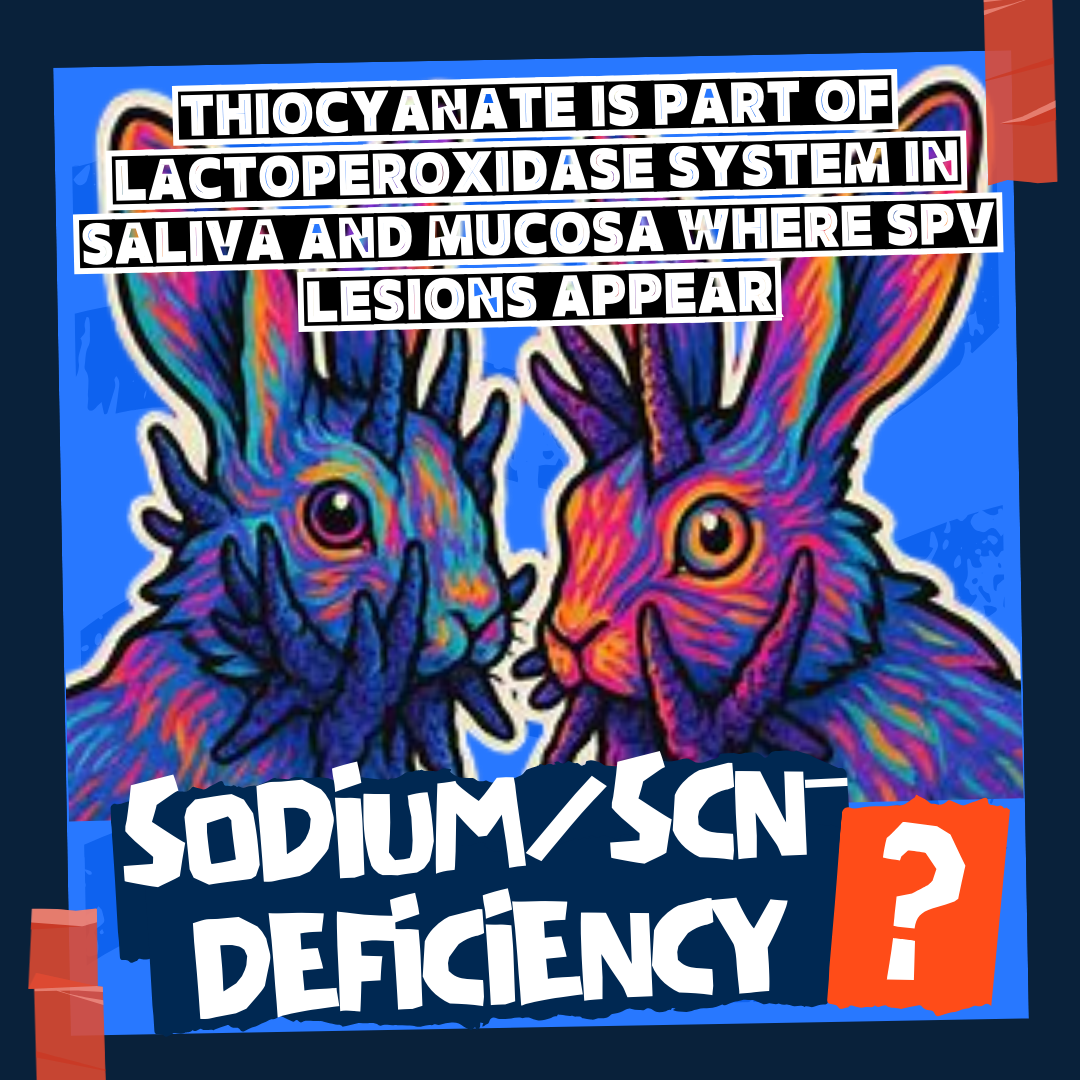


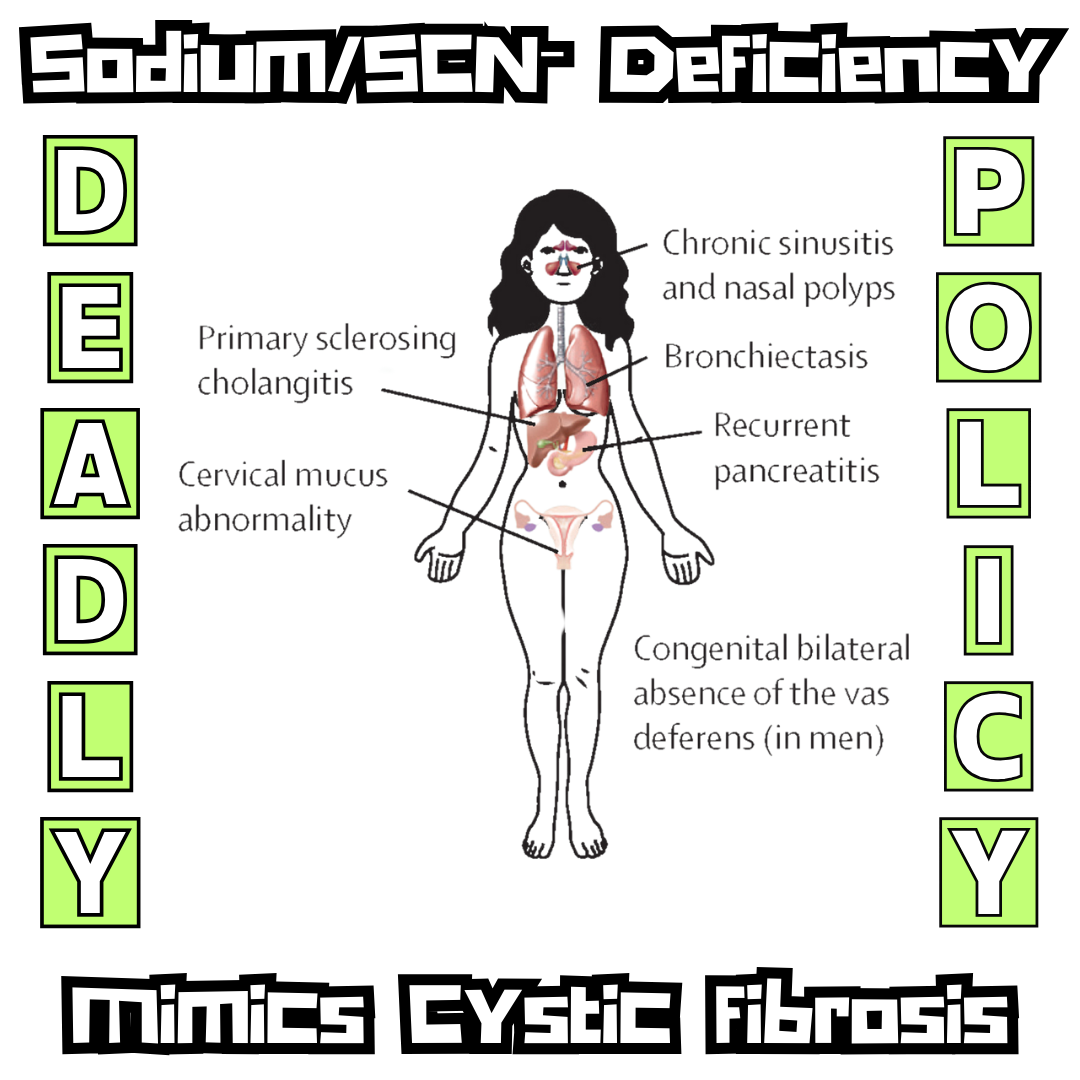



What Is The CCC (Calorie Control Council)
The Calorie Control Council, established in 1966, is self-described as an international association representing the low- and reduced-calorie food and beverage industry. Other sites lead a reader to believe they are…

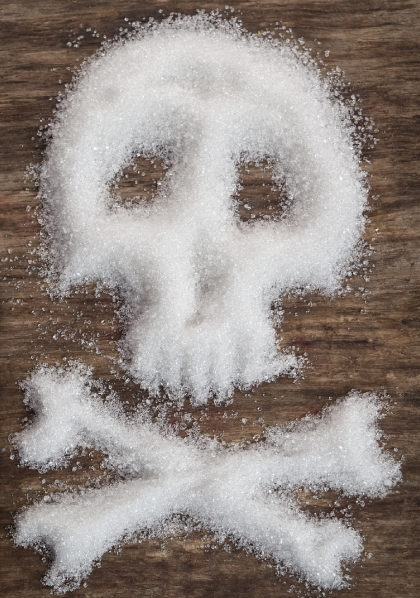
Aspartame Notes
NOTES ASPARTAME Under various names, aspartame is an ingredient in tens of thousands of consumables. some researchers suggest it is “by far” the most dangerous food additive. this is a…
Human placental lactogen (hPL)
Human placental lactogen (hPL), also called human chorionic somatomammotropin (HCS), is a polypeptideplacental hormone, the human form of placental lactogen (chorionic somatomammotropin). Its structure and function are similar to those of human growth hormone. It modifies the metabolic state…
Human chorionic gonadotropin (hCG)
Human chorionic gonadotropin (hCG) is a hormone for the maternal recognition of pregnancy produced by trophoblast cells that are surrounding a growing embryo (syncytiotrophoblast initially), which eventually forms the placenta after implantation. Cole LA (2009). “New discoveries on the…
Prostaglandins (PG)
The prostaglandins (PG) are a group of physiologically active lipid compounds called eicosanoids “Eicosanoid Synthesis and Metabolism: Prostaglandins, Thromboxanes, Leukotrienes, Lipoxins”. themedicalbiochemistrypage.org. Retrieved 2018-09-21. having diverse hormone-like effects in animals. Prostaglandins have been found in almost every tissue in humans and other…
Bacterial biofilms on gold grains
Implications for geomicrobial transformations of gold
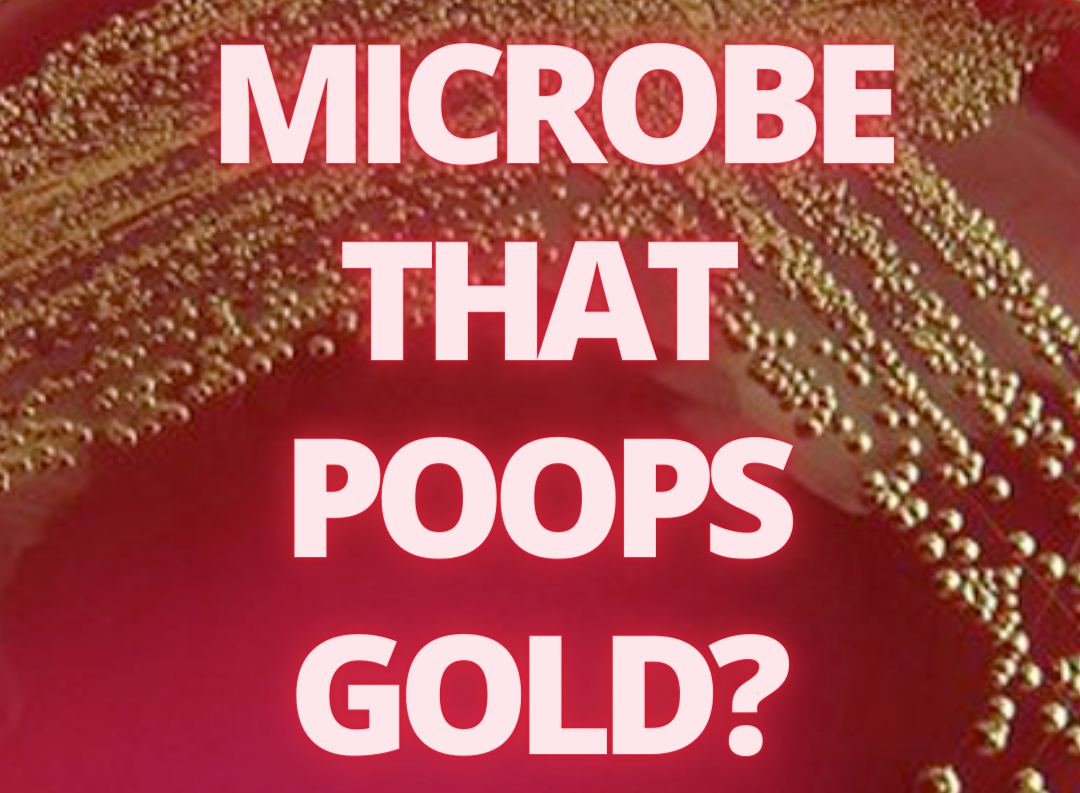
Delftia acidovorans
Delftia acidovorans is a Gram-negative, motile, non-sporulating, rod-shaped bacterium known for its ability to biomineralize gold and bioremediation characteristics.