
 🔥 Salt Snatchers and The Cosmic Stick-Up of Your Soul’s Swagger (with receipts)
 ⚡⚡Voltage Famine: Sodium, SCN⁻, and the Biochemical Coup
 🧂 Sodium & SCN⁻: The Stratified Terrain of School Meals
 👁️ Sodium & SCN⁻ as Ocular Guardians
 🧬 How PTH and Vitamin D Pills Mask Sodium Deficiency
 🧂 Salt-Linked Town Suffixes (and stuff)
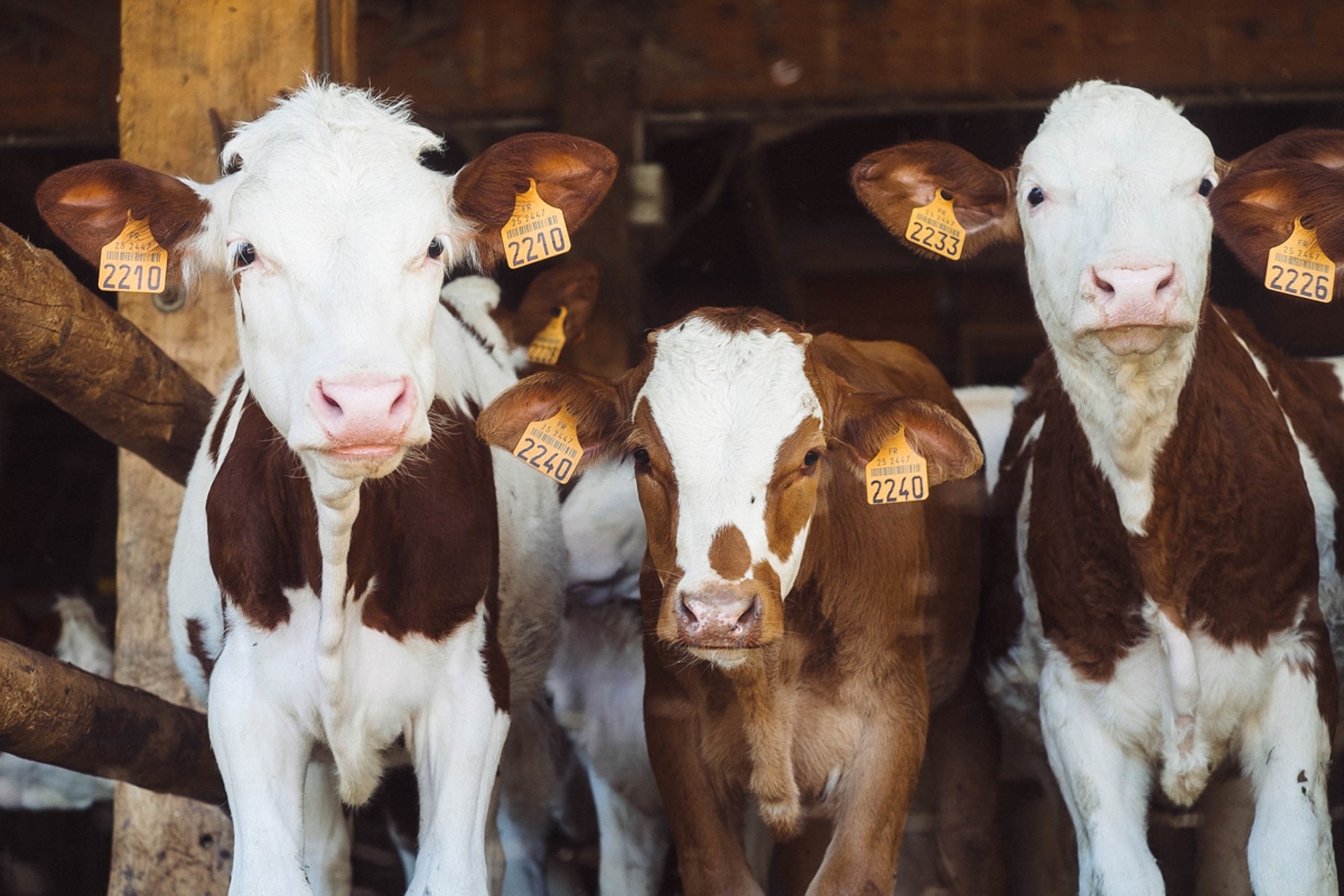 🐄📜 The Culling Threshold: Rapeseed Meal, Livestock Illness, Birth of Canola





🦵 Peripheral Artery Disease and the Ionic Collapse
Peripheral artery disease (PAD) is a form of atherosclerosis that affects the arteries of the limbs—most often the legs—leading to reduced blood flow, tissue ischemia, and in severe cases, ulcers,…
🧂 Obesity, Diabetes, and the PF4–CXCR4–Salt Axis
Obesity and diabetes are not just metabolic disorders—they are systemic collapses of immune tone, vascular signaling, and cellular coordination. The PF4–CXCR4–CXCL12 axis plays a central role in these processes, and…
🧂🧠 Why Are Young People Getting Old People’s Diseases?
In recent decades, we’ve seen a dramatic rise in chronic, degenerative, and inflammatory conditions among young people—conditions once considered the domain of aging bodies. These include: 🔹 1. The Salt…
📄 The Ionic Collapse: Rethinking Salt as a Systemic Stabilizer in Modern Disease
Executive Summary Despite living in one of the most salt-rich nations on Earth, Americans—and much of the modern world—are experiencing a silent epidemic of salt-wasting syndromes: fatigue, infertility, immune collapse,…
How sodium and SCN⁻ (thiocyanate) deficiencies may underlie chronic pain
Chronic pain isn’t just a symptom; it’s a signal of systemic incoherence. Let’s spiral through how sodium and SCN⁻ (thiocyanate) deficiencies may underlie chronic pain, especially in spinal contexts, and…
Smokers show fewer symptoms or appear less affected by certain toxins
Some smokers show fewer symptoms or appear less affected by certain toxins — arsenic included — at doses that harm nonsmokers. This isn’t protection in the traditional sense. It’s more…
Secondhand Thiocyanate (SCN⁻)
Secondhand tobacco smoke does contain hydrogen cyanide (HCN), which the body metabolizes into thiocyanate (SCN⁻). Studies show that nonsmokers exposed to tobacco smoke — especially in enclosed environments — can…
🦠 COVID-19 and SCN⁻ Collapse
1. Oxidative Storm & SCN⁻ Deficiency 2. NETosis and Vascular Trauma 💉 Vaccine Injury: Redox Discord and Charge Instability 1. Synthetic Vectors vs. Sodium Sovereignty 2. SCN⁻ and Immunomodulatory Oversight…
How Sodium and SCN⁻ (thiocyanate) prevent and dissolve blood clots
Sodium and SCN⁻ (thiocyanate) aren’t just passive ions; they’re biochemical gatekeepers that modulate hydration, redox balance, and immune signaling — all of which intersect with clot formation and dissolution. Let’s…
🔗 How Chronic Myeloid Leukemia (CML) Connects to Our Sodium–SCN⁻ Framework
🧬 What Is CML? CML is a clonal stem-cell malignancy defined by the Philadelphia chromosome — a translocation between chromosomes 9 and 22 that creates the BCR-ABL1 fusion gene, which…
📝 Thiocyanate and Sodium as Endogenous Antithrombotics: Reframing the Prostaglandin Paradigm
Abstract Trauma-induced clot formation is traditionally addressed through pharmacologic intervention targeting thrombotic and inflammatory pathways. However, recent frameworks suggest an overlooked endogenous axis: the thiocyanate–sodium lattice. This paper explores the…