




In carnivorous plants digestive enzymes and acids break down insects and in some plants small animals. In some plants the leaf collapses on the prey to increase contact, others have a small vessel of digestive liquid. Then digestion fluids are used to digest the prey to get at the needed nitrates and phosphorus. The absorption of the neededContinue Reading
USS Nepenthe (SP-112), a luxury yacht belonging to James Deering Nepenthe was built as a civilian yacht, of a type designated “houseboat” at the time to describe the relative focus on livability in comparison with the usual powerboats, in 1917 by the Mathis Yacht Building Company at Camden, New Jersey with completion in December 1916. The yacht was built for industrialistContinue Reading

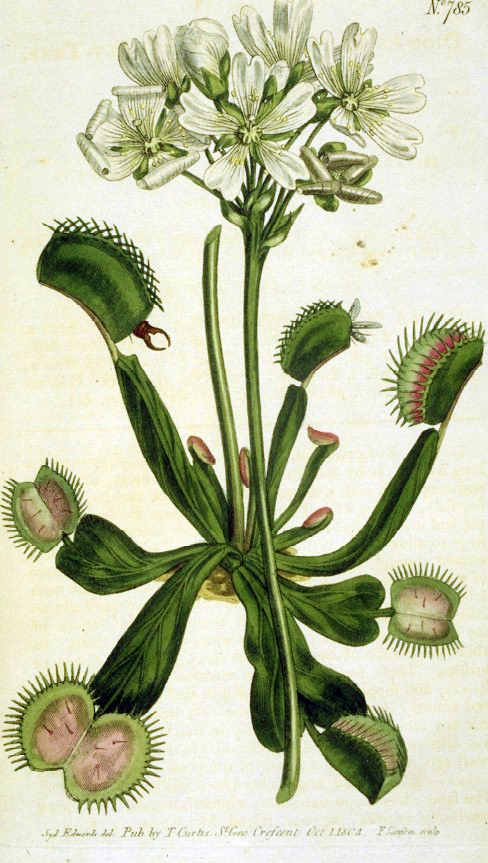
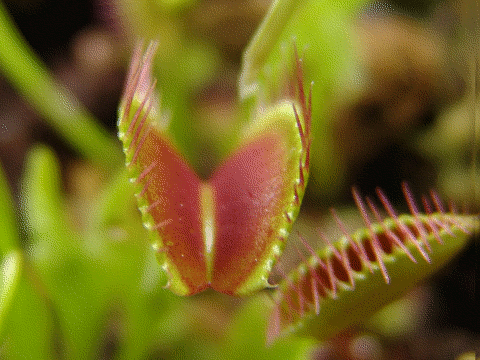
The Venus flytrap (Dionaea muscipula) is a carnivorous plant native to subtropical wetlands on the East Coast of the United States in North Carolina and South Carolina. It catches its prey—chiefly insects and arachnids—with a trapping structure formed by the terminal portion of each of the plant’s leaves, which is triggered by tiny hairs (called “trigger hairs” or “sensitive hairs”) on their inner surfaces. When anContinue Reading

Plant arithmetic is a form of plant cognition whereby plants appear to perform arithmetic operations – a form of number sense in plants. Arithmetic by species Venus flytrap The Venus flytrap can count to two and five in order to trap and then digest its prey. The Venus flytrap is a carnivorous plant that catches its prey with a trapping structureContinue Reading

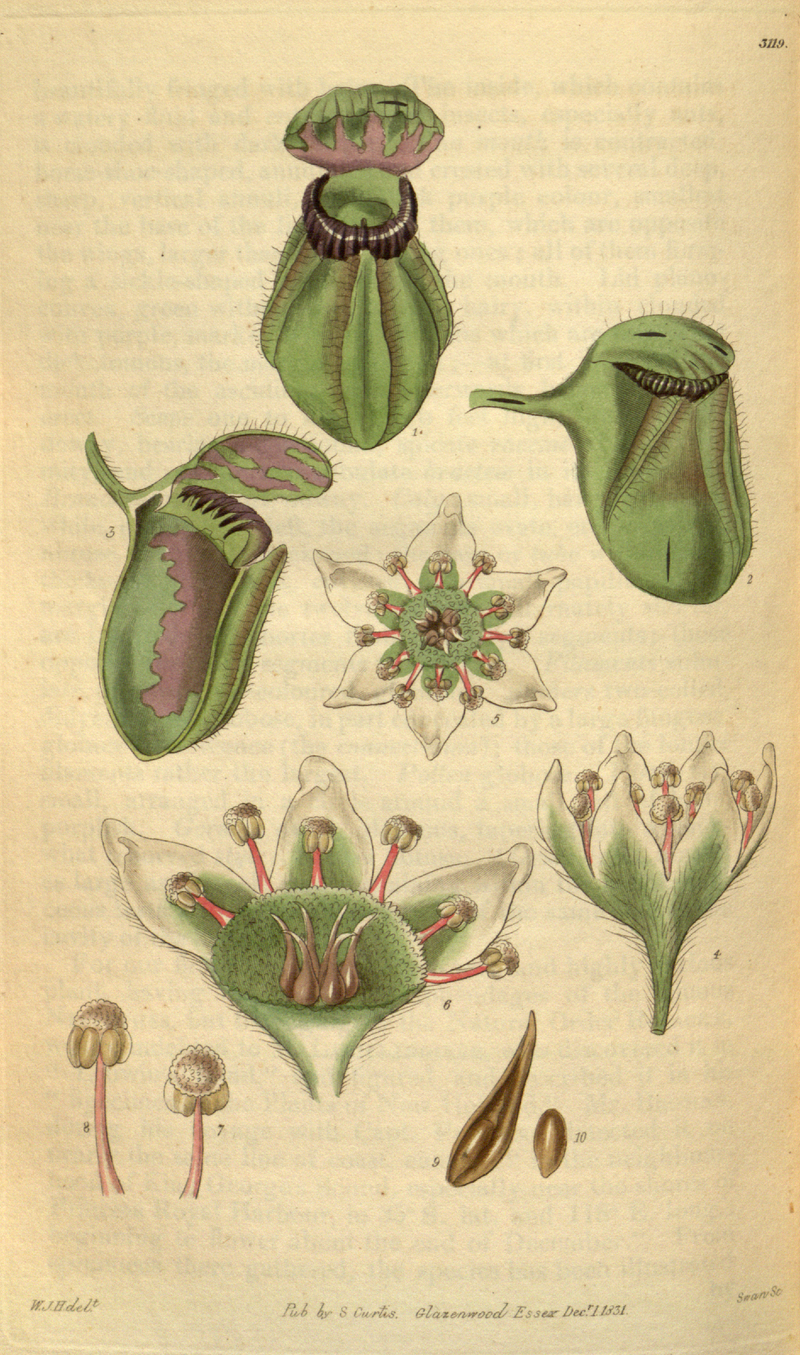
Cephalotus (Greek: κεφαλή “head”, and οὔς/ὠτός “ear”, to describe the head of the anthers) is a genus which contains one species, Cephalotus follicularis the Albany pitcher plant, a small carnivorous pitcher plant. The pit-fall traps of the modified leaves have inspired the common names for this plant, which include ‘Albany pitcher plant”, “Western Australian pitcher plant”, “Australian pitcher plant”, or “fly-catcher plant.” It is an evergreen herbContinue Reading