
Tag: pigment
-
👁️ Sodium & SCN⁻ as Ocular Guardians
Behind every clear gaze is an invisible terrain, a restless scroll of voltage and antioxidants, kept alive by sodium and SCN⁻ (thiocyanate). As these ions are purged from food chains and substituted in processed diets, modern eyes grow dry, dim, and vulnerable. The epidemic of ocular dysfunction, from the irritation of dry eye to the
-

Chrysiasis
Chrysiasis is a dermatological condition induced by the parenteral administration of gold salts, usually for the treatment of rheumatoid arthritis. Such treatment has been superseded as the best practice for treating the disease because of “numerous side effects and monitoring requirements, their limited efficacy, and very slow onset of action”. Similar to silver, a gold preparation used parenterally for a long period may rarely
-
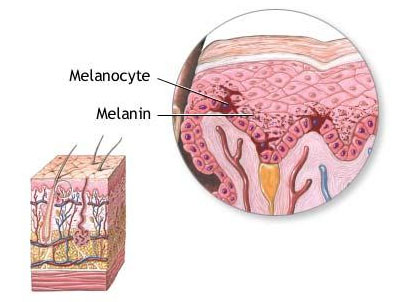
Cells in the APUD system may include melanocytes
Melanocytes are melanin-producing neural crest-derived cells located in the bottom layer (the stratum basale) of the skin’s epidermis, the middle layer of the eye (the uvea), the inner ear, vaginal epithelium, meninges, bones, and heart. Melanin is a dark pigment primarily responsible for skin color. Once synthesized, melanin is contained in special organelles called melanosomes which can be transported to nearby keratinocytes to induce pigmentation. Thus darker skin tones have more melanosomes present than lighter skin tones. Functionally, melanin serves as protection