
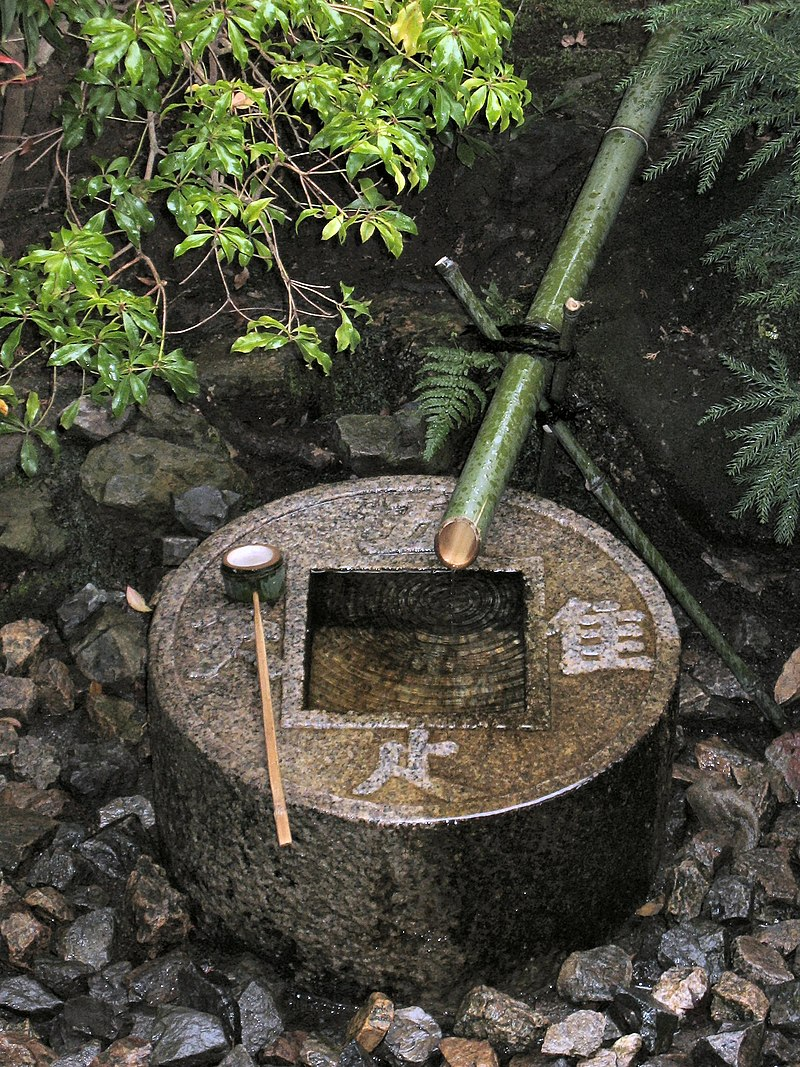
Tsukubai, a washbasin provided at the entrance to a holy place
In Japan, a tsukubai (蹲踞) is a washbasin provided at the entrance to a holy place for visitors to purify themselves by the ritual washing of hands and rinsing of the mouth. This type…
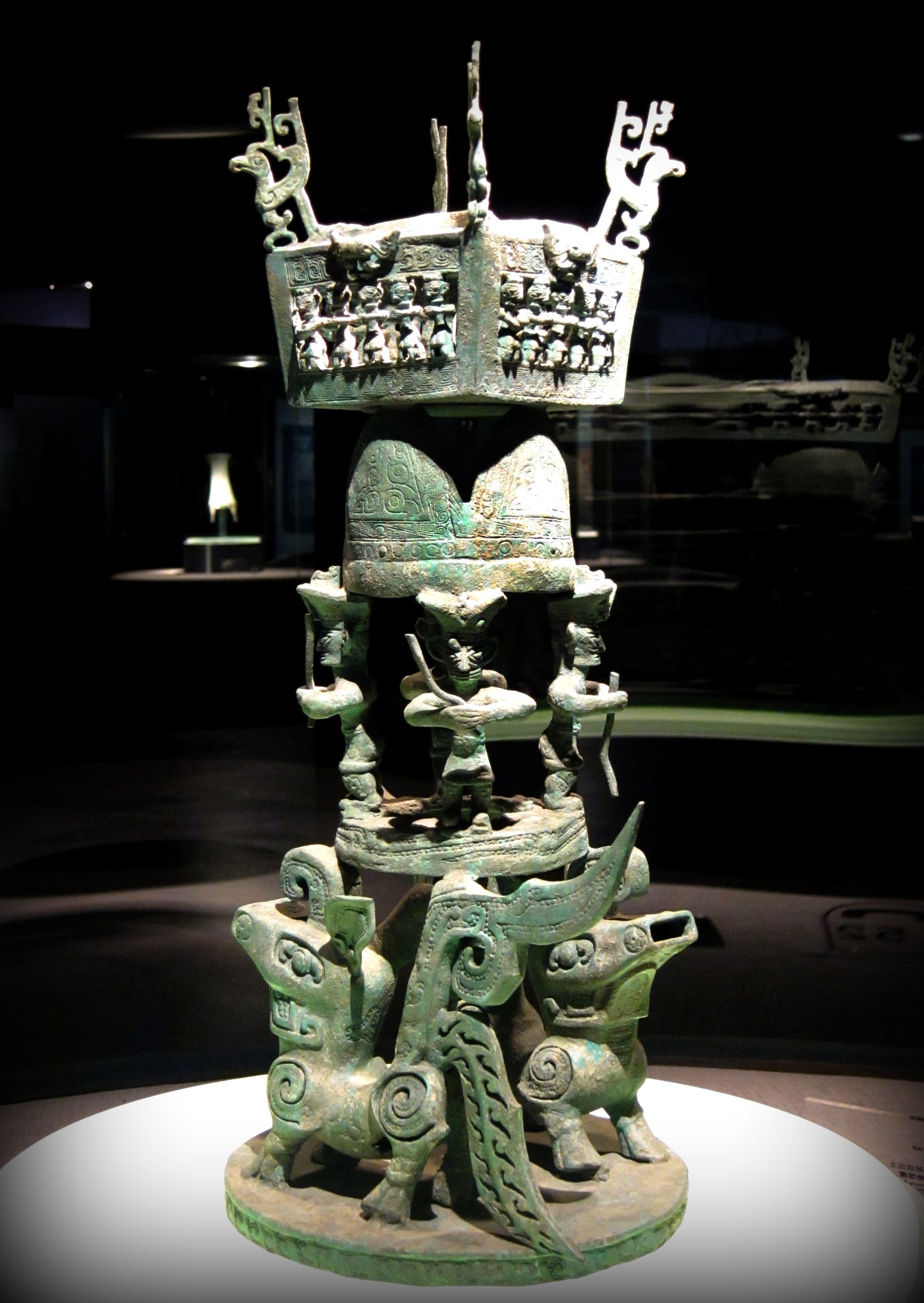
Sanxingdui (‘Three Star Mound’)
Sanxingdui (Chinese: 三星堆; pinyin: Sānxīngduī; lit. ‘Three Star Mound‘) is an archaeological site and a major Bronze Age culture in modern Guanghan, Sichuan, China. Largely discovered in 1986, following a preliminary finding in 1927, archaeologists excavated artifacts that radiocarbon dating placed in the twelfth–eleventh centuries BC. The archaeological site is the type…
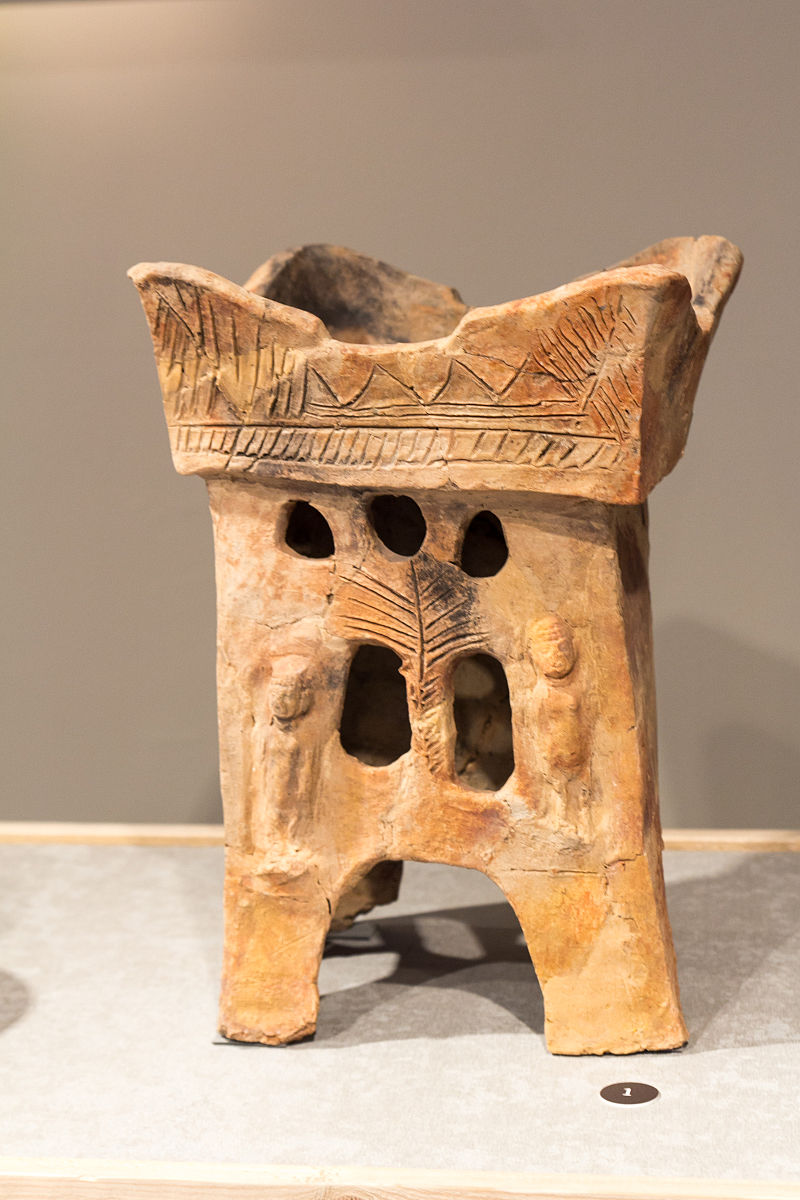
Asherah and Asherim notes
In the ancient Levant, doves were used as symbols for the Canaanite mother goddess Asherah. The Canaanite religion was the group of ancient Semitic religions practiced by the Canaanites living in the ancient Levant from at least the early Bronze Age through the first…
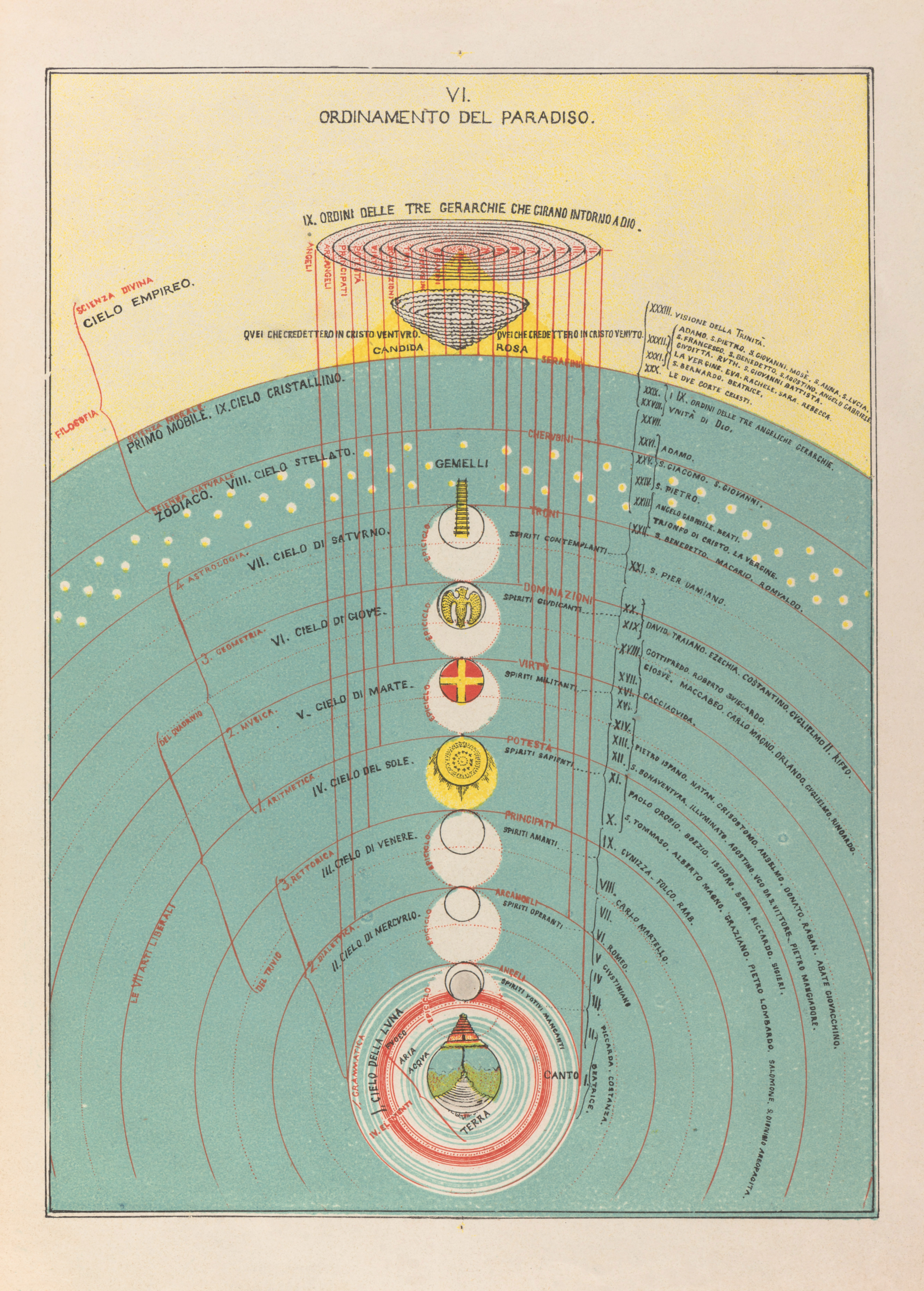
Seven heavens notes
In religious or mythological cosmology, the seven heavens refer to seven levels or divisions of the Heavens. The concept, also found in the ancient Mesopotamian religions, can be found in Judaism, Christianity, and Islam; a similar concept is also…
In Judaism, The Guf or Treasury of Souls is sometimes described as a columbarium
In post-biblical Judaism, souls are envisioned as bird-like (Bahir 119), a concept that may be derived from the Biblical notion that dead spirits “chirp” (Isa. 29:4). The Guf, or Treasury of Souls,…
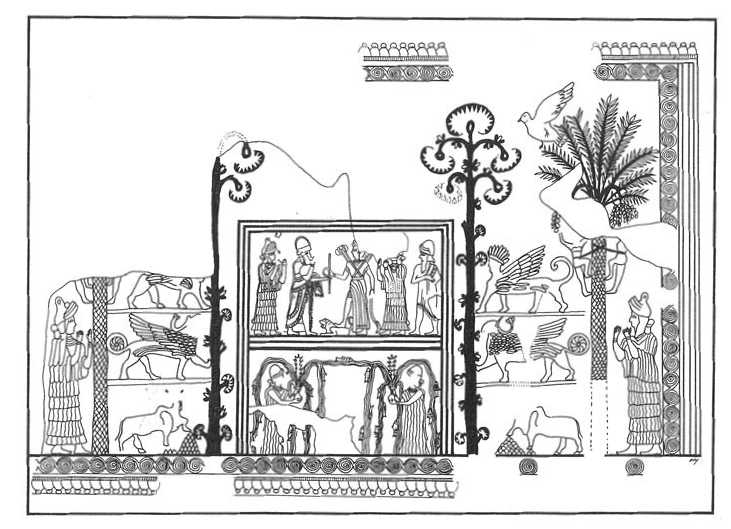
Doves are shown on cult objects associated with Inanna as early as the beginning of the third millennium BC
In ancient Mesopotamia, doves were prominent animal symbols of Inanna-Ishtar, the goddess of love, sexuality, and war. Doves are shown on cultic objects associated with Inanna as early as the beginning of the…
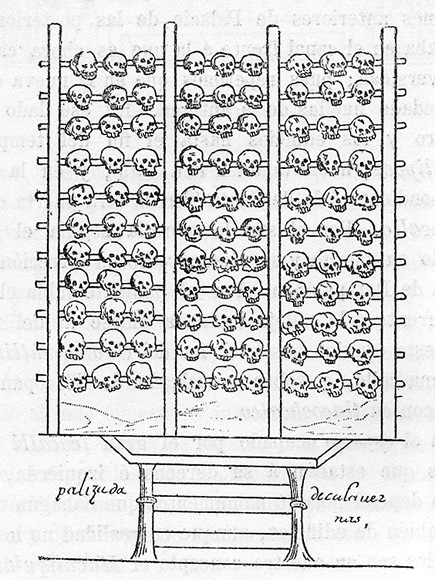
A tzompantli or skull rack was used for the public display of human skulls, typically of war captives or sacrificial victims
A tzompantli (Nahuatl pronunciation: [t͡somˈpant͡ɬi]) or skull rack was a type of wooden rack or palisade documented in several Mesoamerican civilizations, which was used for the public display of human skulls, typically those of war captives or other sacrificial victims. It…
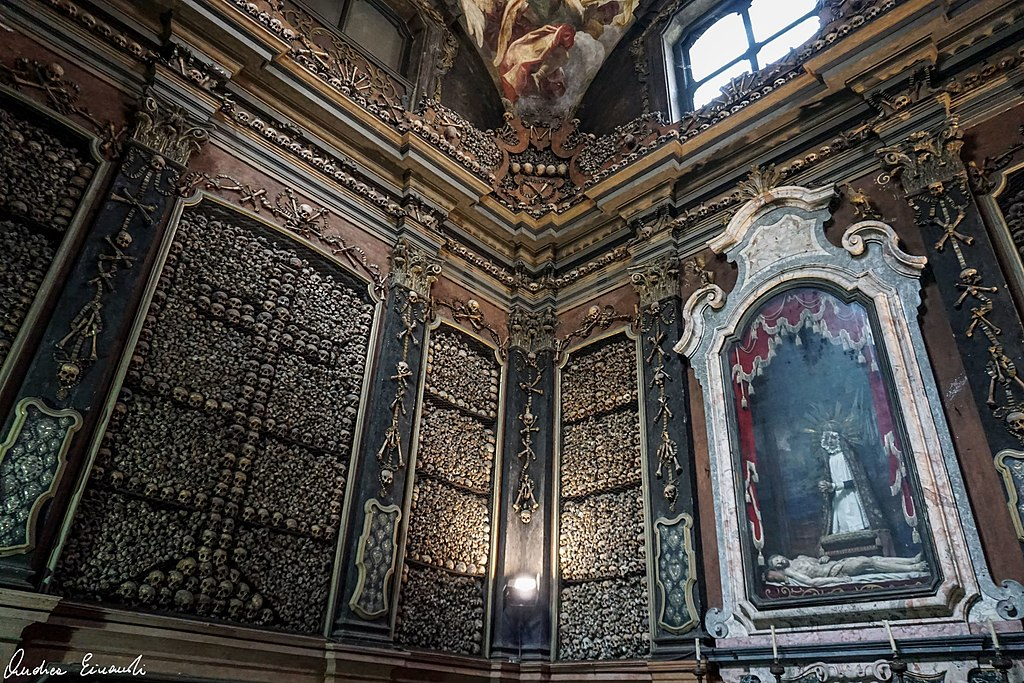
San Bernardino alle Ossa, Milan
San Bernardino alle Ossa is a church in Milan, northern Italy, best known for its ossuary, a small side chapel decorated with numerous human skulls and bones. In 1210, when an adjacent cemetery…
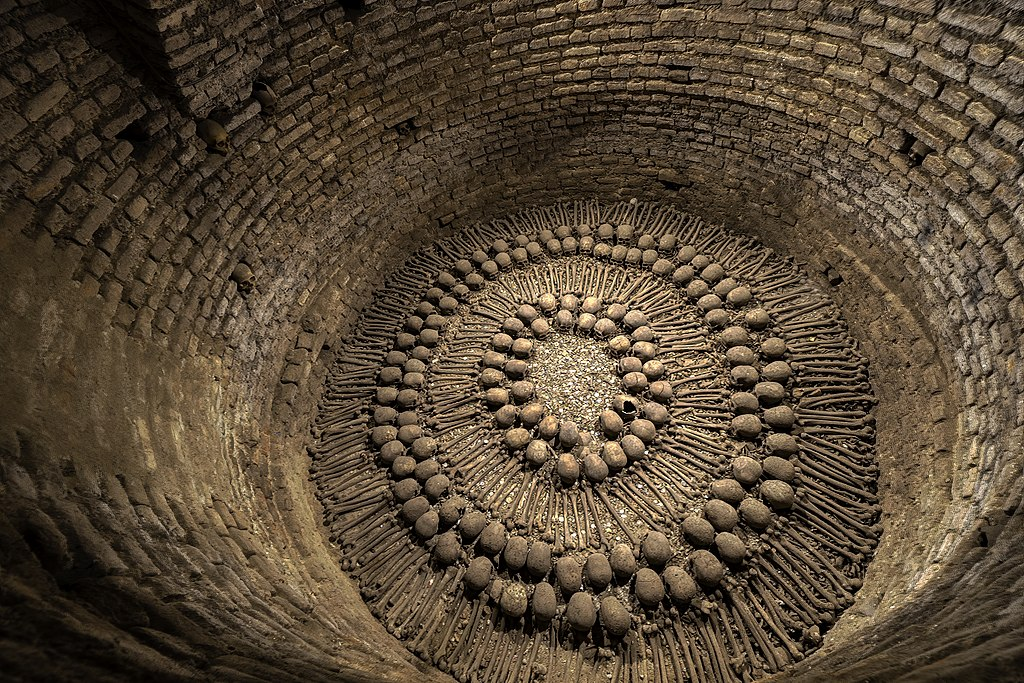
Catacombs of Lima, Peru
The Catacombs of Lima (Spanish: Catacumbas de Lima) are underground ossuaries in the historic centre of Lima, Peru. The catacombs were built under the Basilica and Convent of San Francisco and currently function as a museum. History In 1546, the Franciscan order began construction of the Basilica…
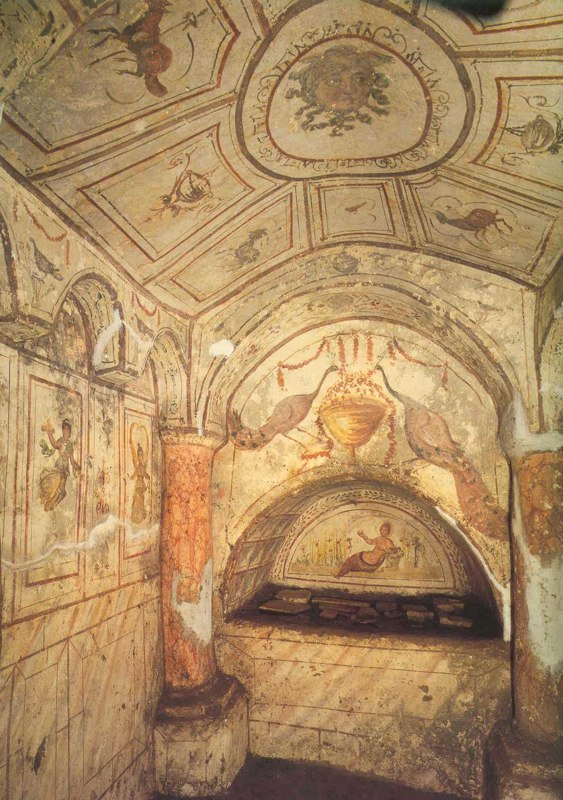
An arcosolium is an arched recess used as a place of entombment
An arcosolium, plural arcosolia, is an arched recess used as a place of entombment. The word is from Latin arcus, “arch”, and solium, “throne” (literally “place of state”) or post-classical “sarcophagus“.[dubious – discuss] Early arcosolia were carved…
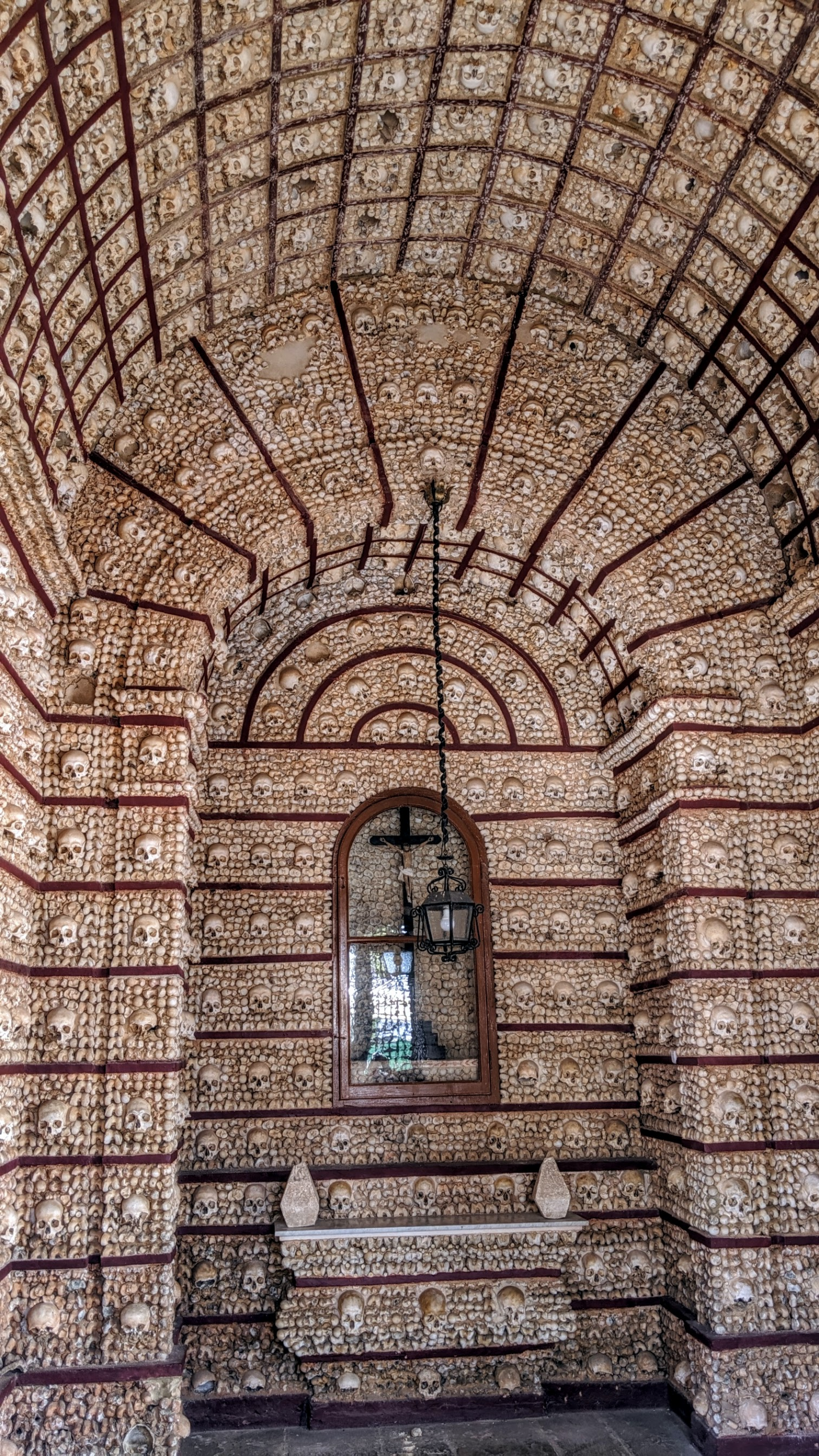
Chapel of Bones (Faro, Portugal)
The Capela dos Ossos (English: Chapel of Bones) is an ossuary chapel in Faro, Portugal, which belongs to the 18th century Carmelite church Nossa Senhora do Carmo. Above the entrance, there is the following inscription: Pára aqui a considerar…
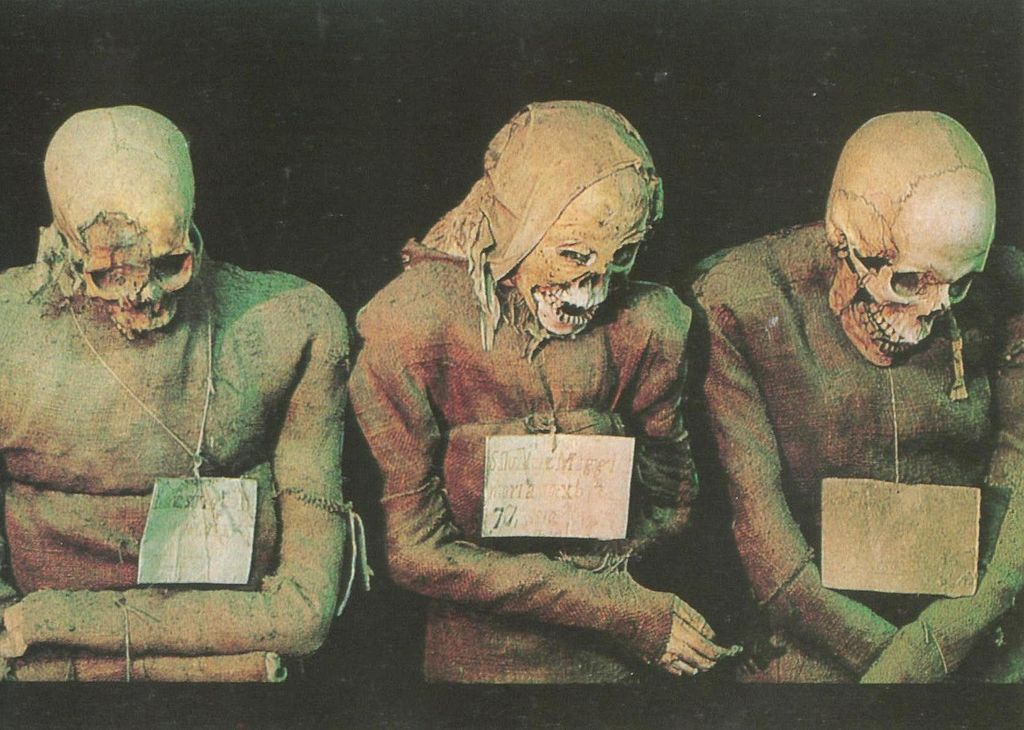
The Capuchin Catacombs of Palermo
The Capuchin Catacombs of Palermo (also Catacombe dei Cappuccini or Catacombs of the Capuchins) are burial catacombs in Palermo, Sicily, southern Italy. Today they provide a somewhat macabre tourist attraction as well as an extraordinary historical record. Historical background Palermo’s Capuchin monastery outgrew its original cemetery in…