

Haruspex
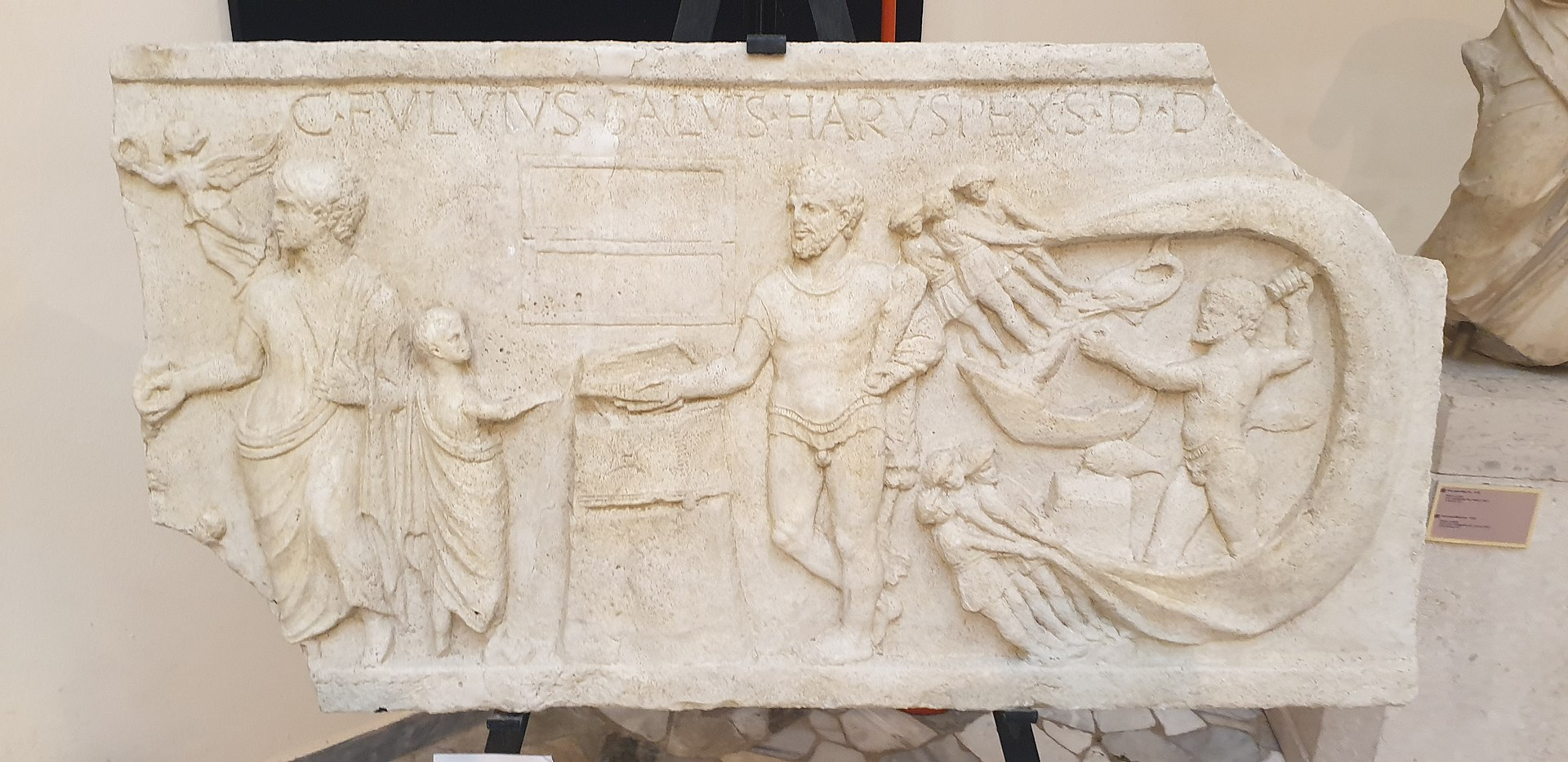
In the religion of ancient Rome, a haruspex (plural haruspices; also called aruspex) was a person trained to practise a form of divination called haruspicy (haruspicina), the inspection of the entrails (exta—hence also extispicy (extispicium)) of sacrificed animals, especially the livers of sacrificed sheep and poultry. The…
Joseph Priestley
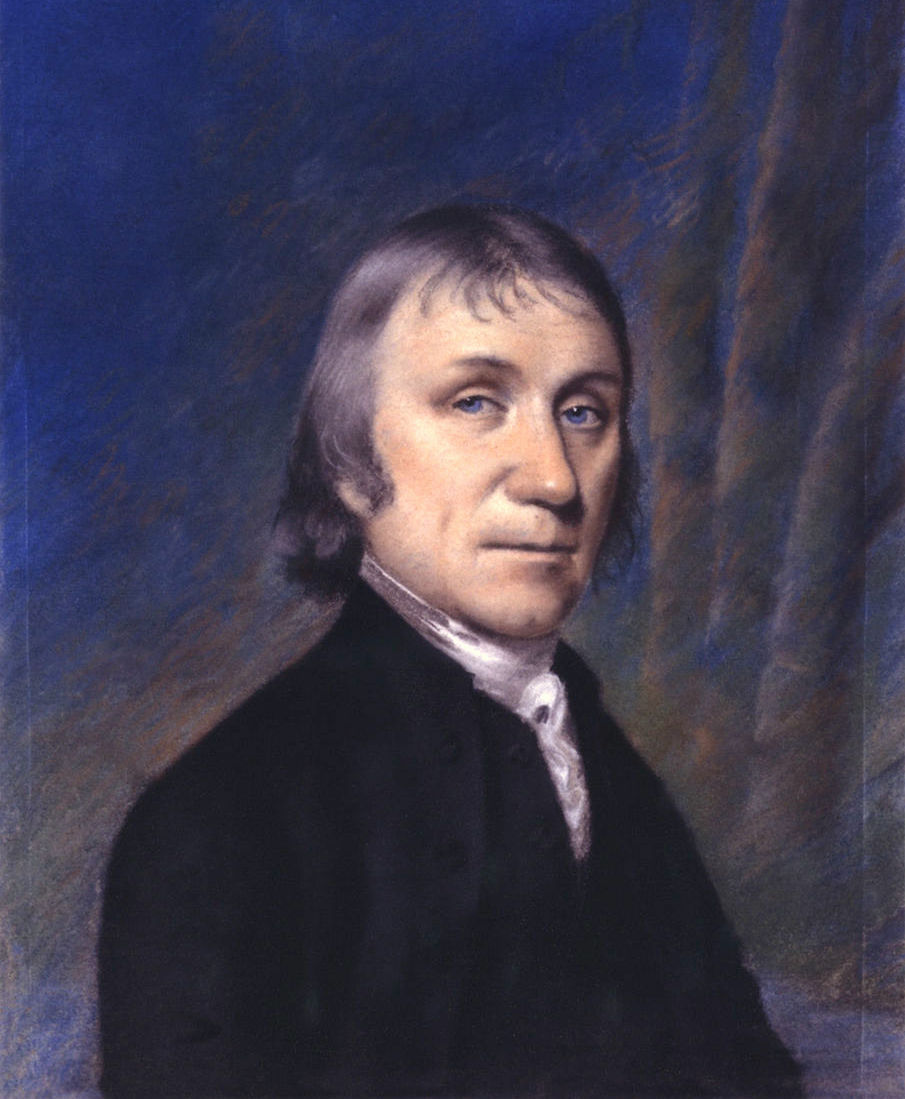
JOSEPH PRIESTLEY 1733-1804 English chemist, natural philosopher, separatist theologian, grammarian, multi-subject educator, globetrotter, liberal political theorist and discoverer of oxygen read about Pristley at wikipedia Priestley is credited with the…
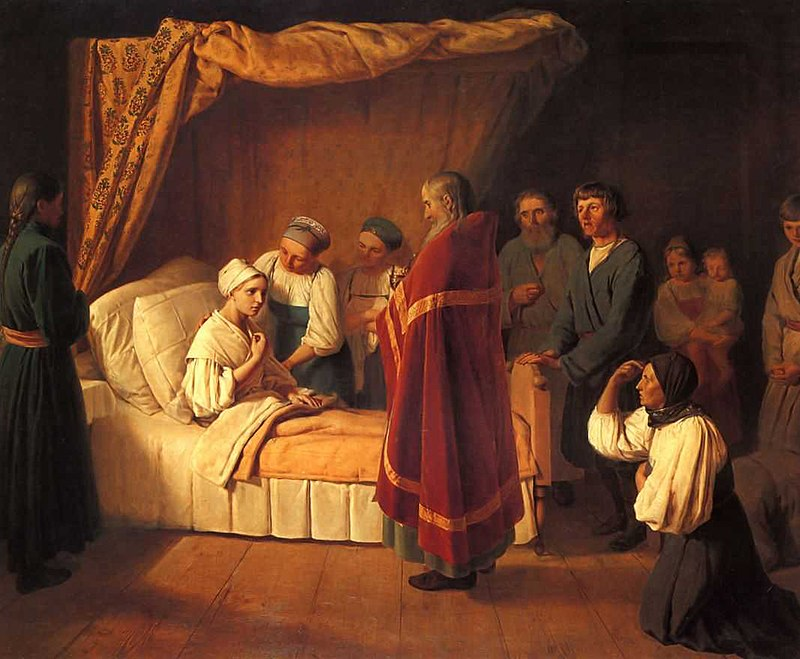
Treasuries of death, viaticum, obol, more
Viaticum is a term used – especially in the Catholic Church – for the Eucharist (also called Holy Communion), administered, with or without Anointing of the Sick (also called Extreme Unction), to a person who is dying;…
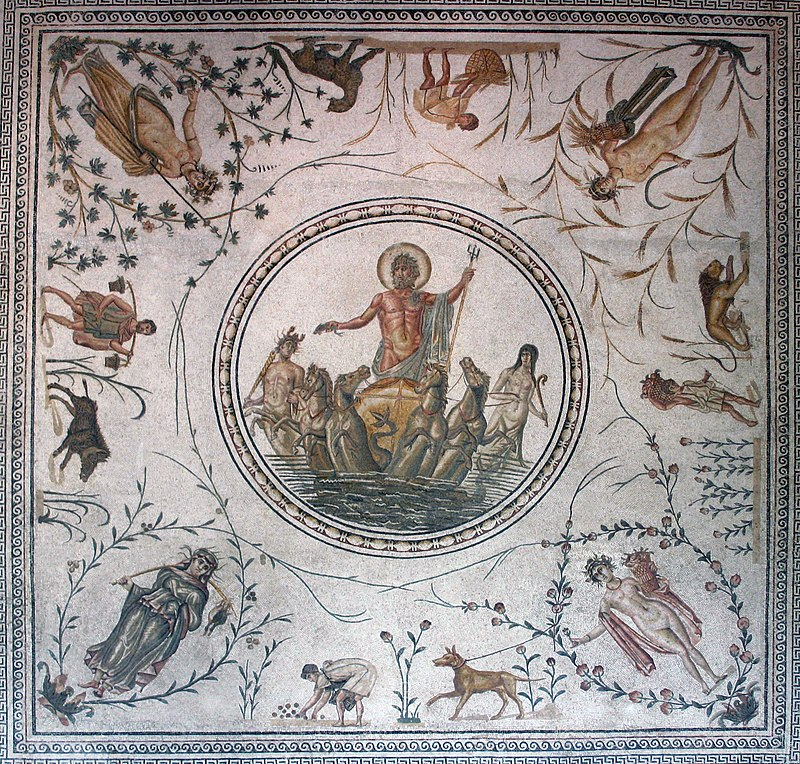
Neptune
Neptune (Neptūnus) is the god of freshwater and the sea in Roman religion. He is the counterpart of the Greek god Poseidon. In the Greek tradition, he is a brother of Jupiter and Pluto; the brothers preside over the realms of heaven,…

Nechtan
Nechtan is a figure in Irish mythology who is associated with a spring marking the source of the River Boyne, known as Nechtan’s Well or the Well of Wisdom. He was the husband of Boann, eponymous goddess…
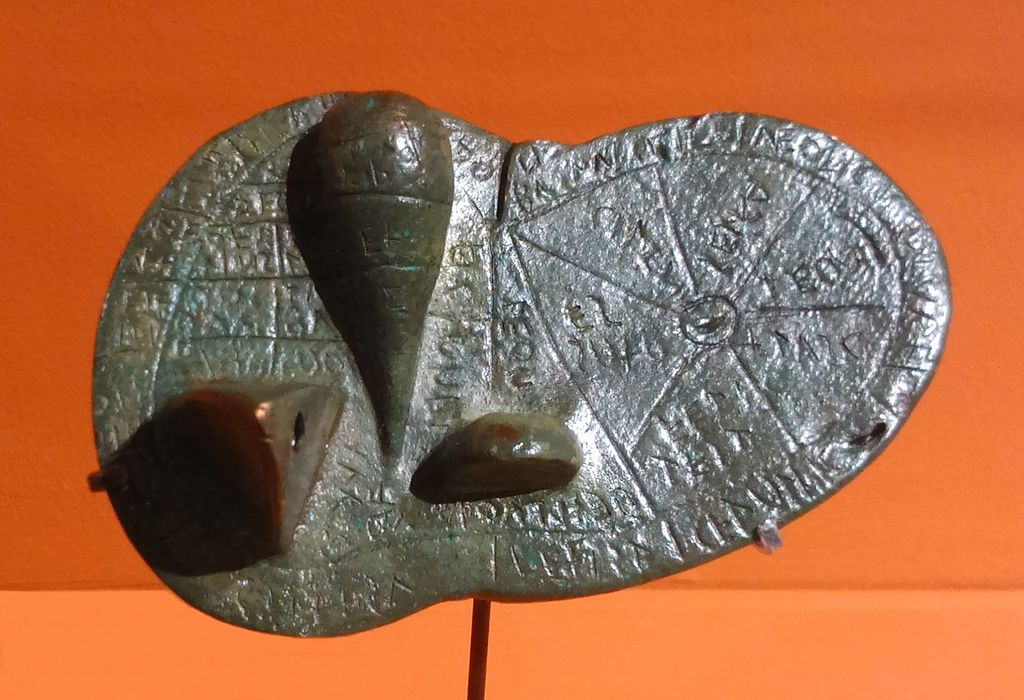
Adam Napat (and Nethuns)
Apam Napat is a deity in the Indo-Iranian pantheon associated with water. His names in the Vedas, Apām Napāt, and in Zoroastrianism, Apąm Napāt, mean “child of the waters” in Sanskrit and Avestan respectively. Napāt (“grandson”, “progeny”) is cognate with Latin nepos and English nephew.[a] In the Rig Veda, he is…
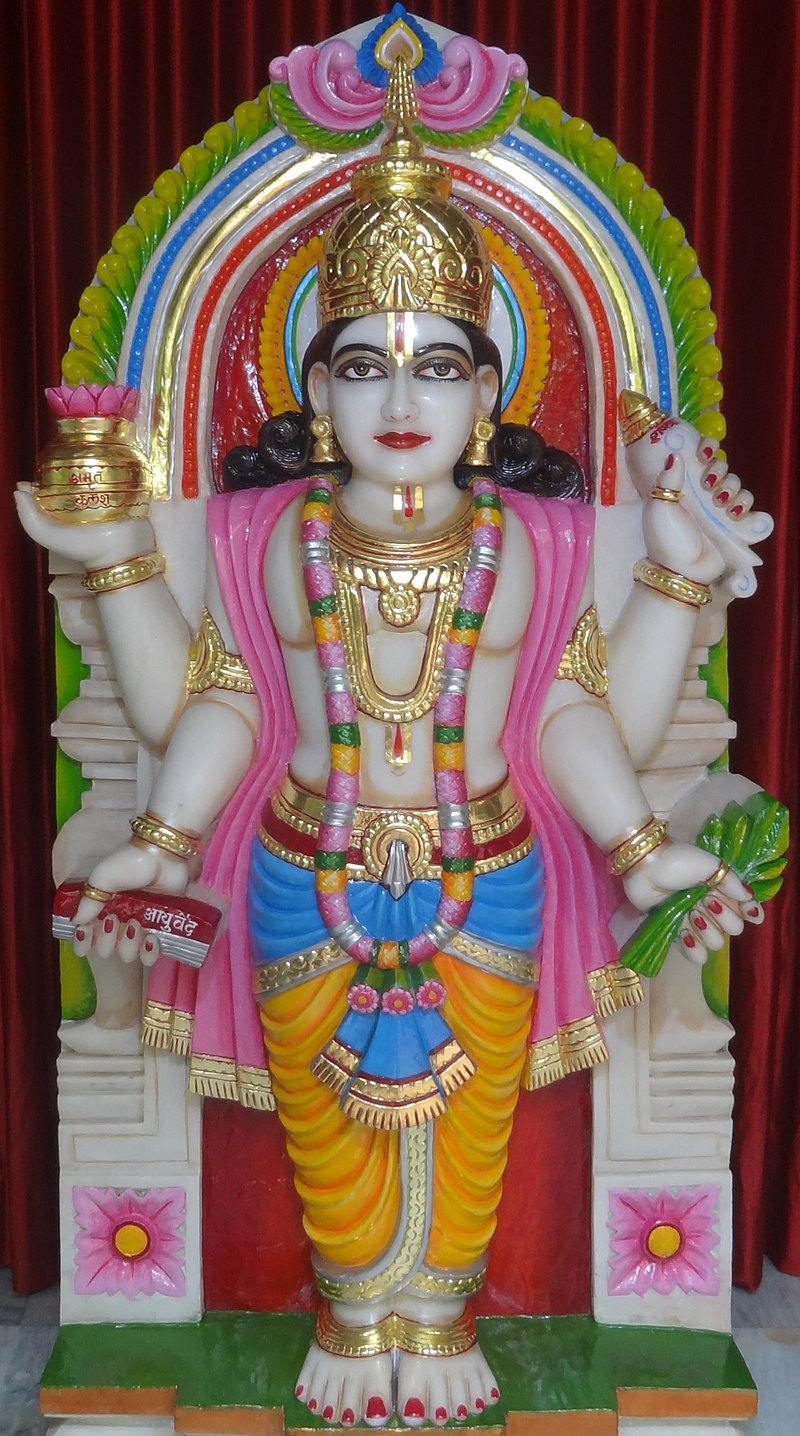
Dhanvantari
Dhanvantari (Dhanvantari, Dhanvamtari, ‘moving in a curve’) is the physician of the devas in Hinduism. He is regarded to be an avatar of Vishnu. He is mentioned in the Puranas as the god of Ayurveda. During his incarnation on earth, he reigned…

“Elixir of long life”
The relevance of urine examination has been reported since the ancient times. Urine was connected to religious traditions attracting the interest of the people as “the elixir of long life”.…
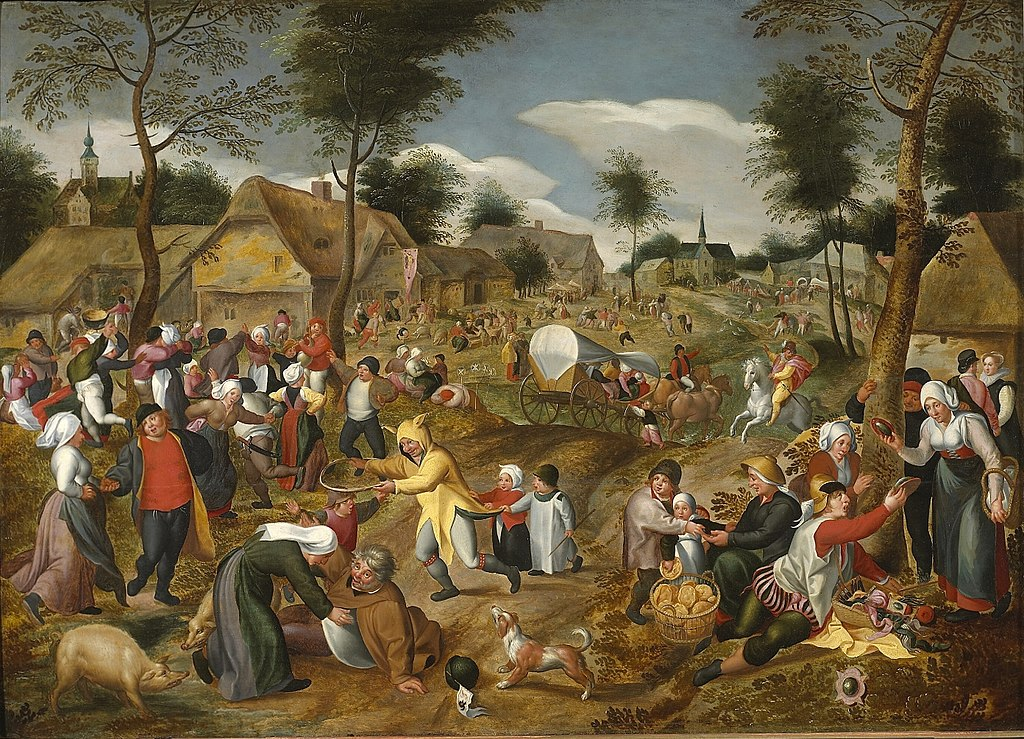
The crew of the Dutch ship Gelderland used the names “griff-eendt” and “kermisgans” for the dodo in 1598, in reference to fowl fattened for the Kermesse festival
The dodo (Raphus cucullatus) is an extinct flightless bird that was endemic to the island of Mauritius. Kermesse, or kermis, or kirmess, is a Dutch language term derived from ‘kerk’ (church) and ‘mis’ (mass) that became…
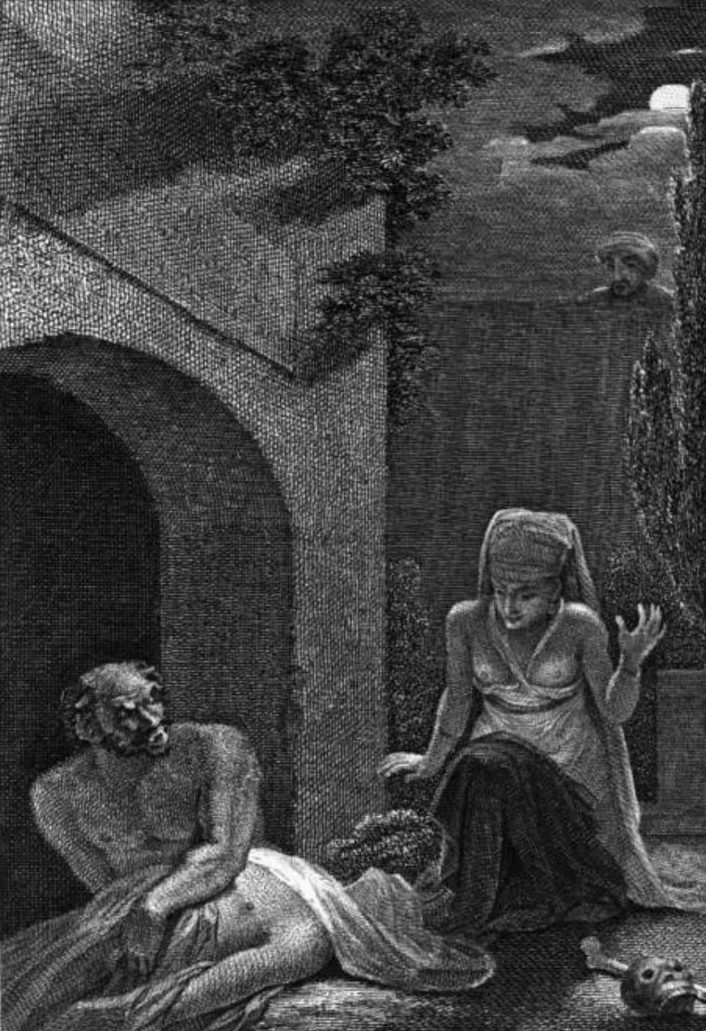
Ghouls (and a few other things)
The Ghoul A Monstrous Mashup of Myth and Macabre Meet the ghoul, a creature so delightfully demonic it’ll make you shiver with excitement. Born from the mystical realms of pre-Islamic…
Rennet
For the apple varieties, see Reinette Rennet is a complex set of enzymes produced in the stomachs of ruminant mammals. Chymosin, its key component, is a protease enzyme that curdles the casein in milk. In addition to chymosin, rennet contains other enzymes, such as pepsin and a lipase. Rennet…