Underworld
-
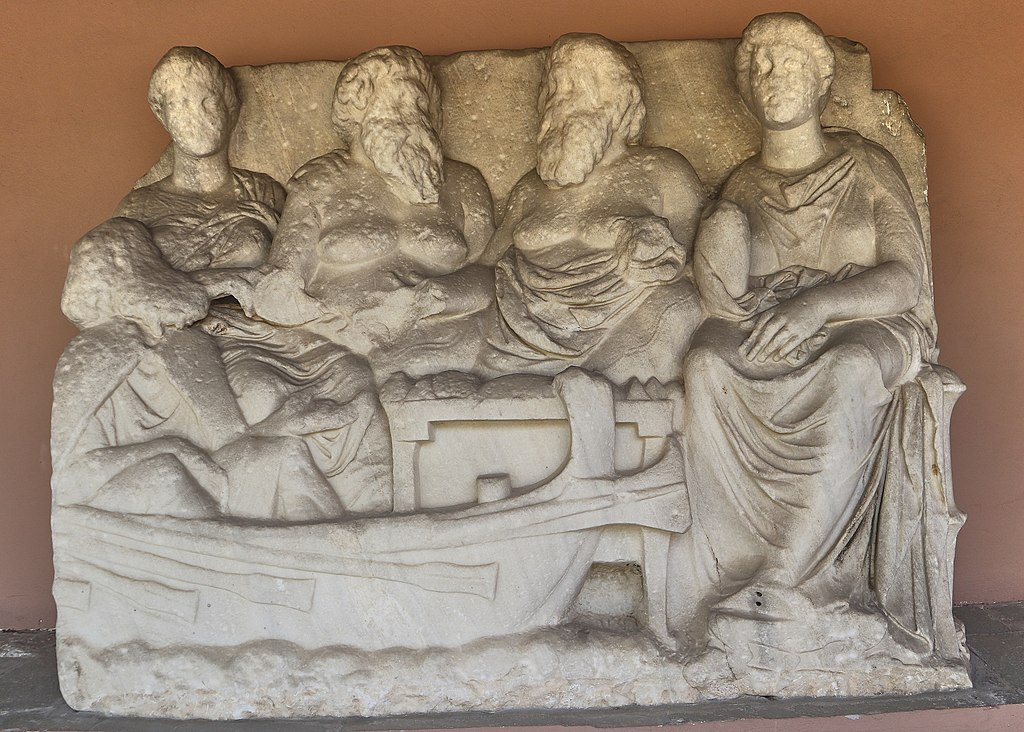
Chthonic is a word related to all things underworld
The word chthonic, or chthonian, is derived from the Ancient Greek word χθών, “khthon”, meaning earth or soil. It translates more directly from χθόνιος or “in, under, or beneath the earth” which can be differentiated… Read more.
-
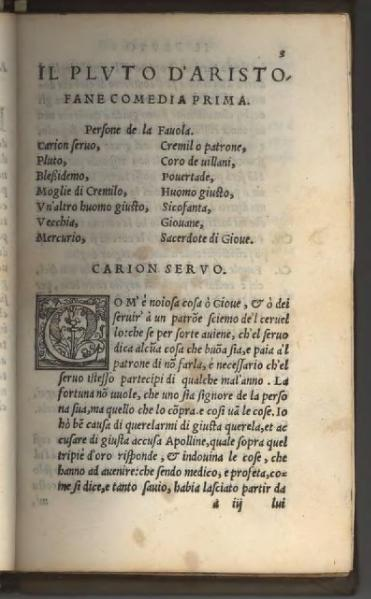
Plutus is an Ancient Greek comedy 388 BCE
Plutus Written by Aristophanes Chorus Rustics Characters ChremylosCario(n)PlutusPeniaHermes Mute mutual Date premiered 388 BCE Original language Ancient Greek Genre Ancient Greek comedyPolitical satire Setting Classical Athens Plutus is an Ancient Greek comedy by… Read more.

·
-
Underworld list (Wikipedia)
The underworld, also known as the netherworld or hell, is the supernatural world of the dead in various religious traditions and myths, located below the world of the living. Chthonic is the technical adjective for things of the underworld. The… Read more.
·
-
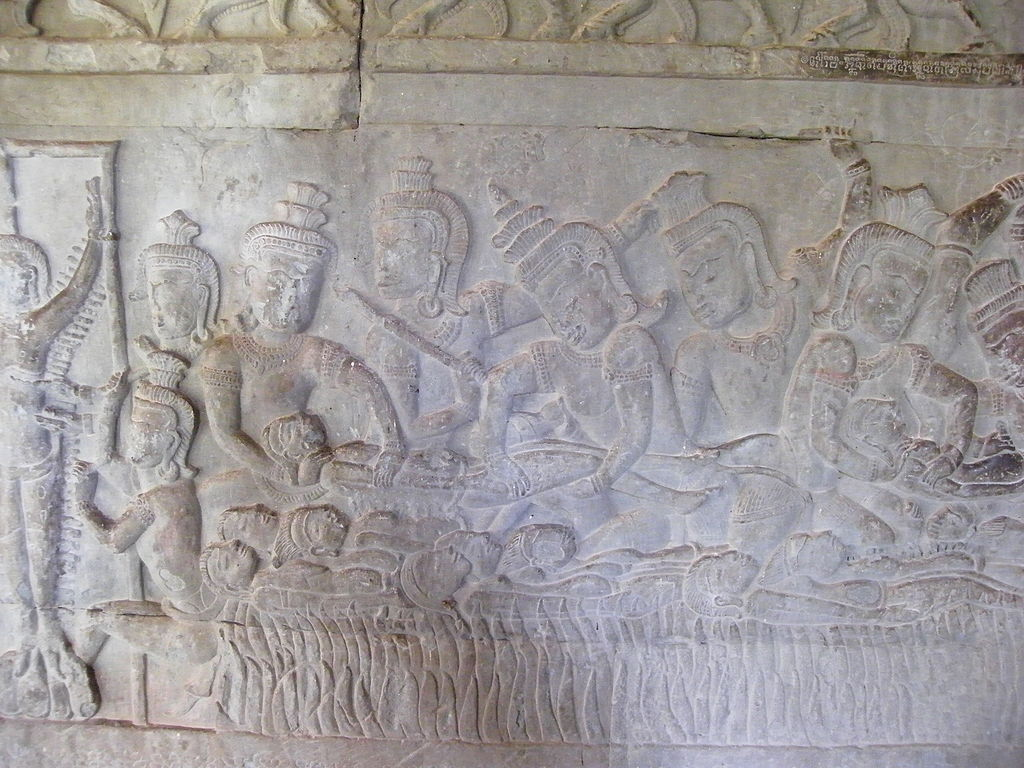
Naraka is a place of torment according to some schools of Hinduism, Jainism and Buddhism and a dynasty
Naraka (Sanskrit: नरक) is the realm of hell in Indian religions. According to some schools of Hinduism, Jainism and Buddhism, Naraka is a place of torment. The word Neraka (modification of Naraka) in Indonesian and Malaysian has also been used to describe the Islamic concept of Hell. For the… Read more.
·
-
Youdu is the capital of Hell in Chinese mythology
Youdu (幽都) in Chinese mythology is the capital of Hell, or Diyu. Among the various other geographic features believed of Diyu, the capital city has been thought to be named Youdu. It is generally… Read more.
-
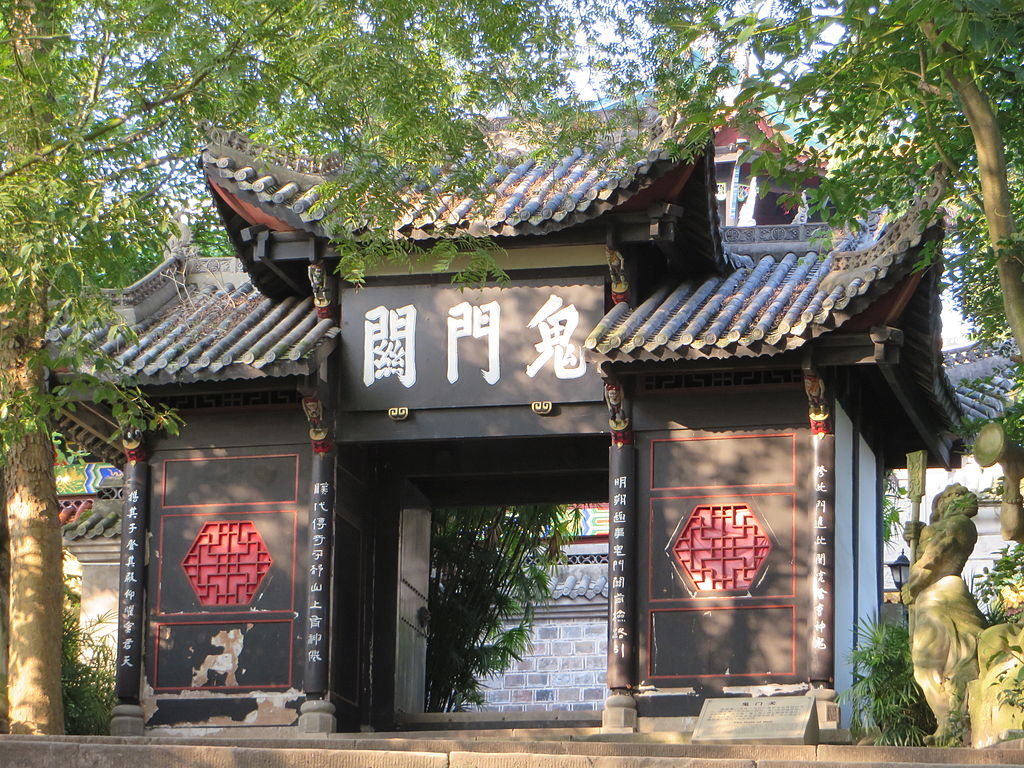
Gate of the Ghosts
The Gate of the Ghosts (simplified: 鬼门关; traditional: 鬼門關), or Devil’s Gate, Demon Gate, known as Guimen guan in Chinese, is a pass in the Underworld in Chinese mythology. The gate is a pailou (also known as a paifang, a traditional style of Chinese architectural arch or… Read more.
-
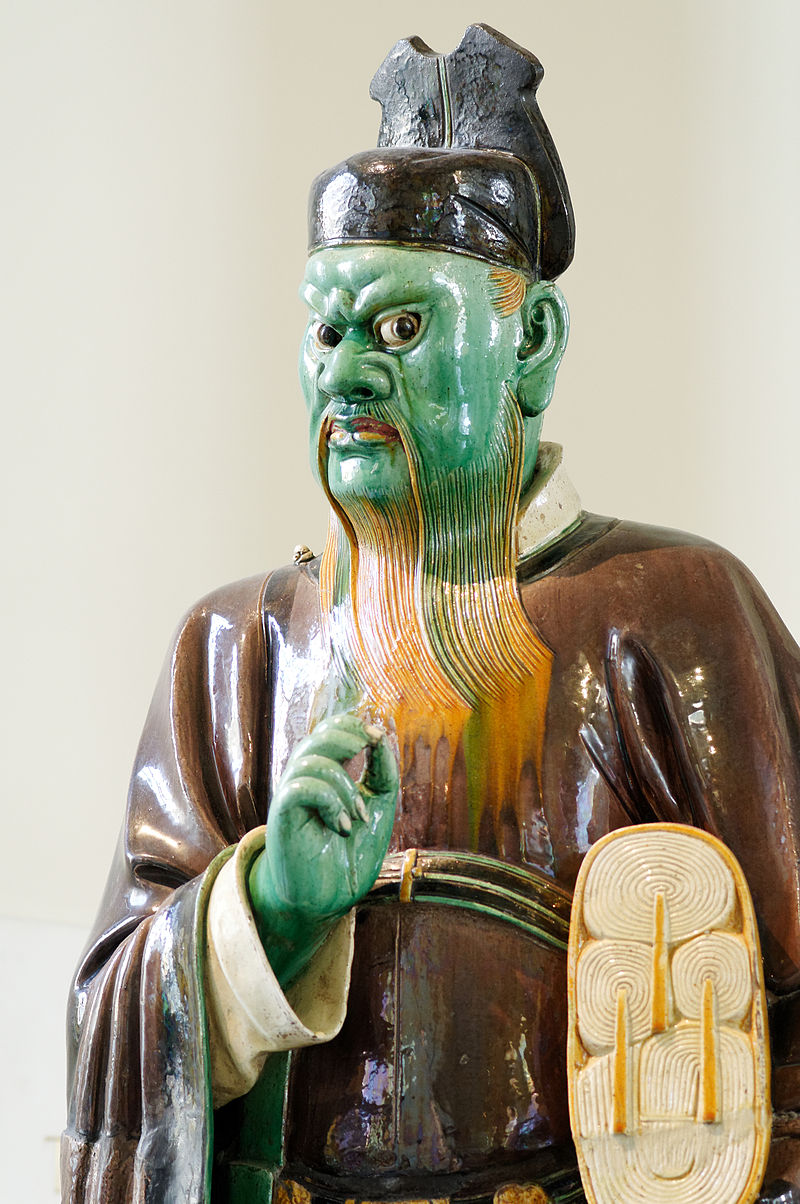
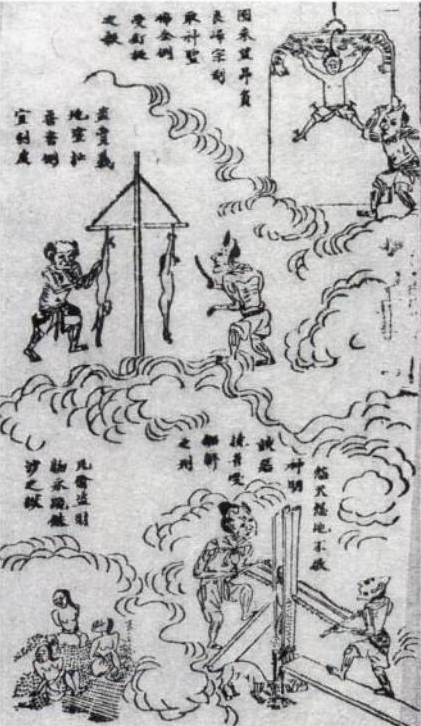
Diyu (‘earth prison’) is the realm of the dead in Chinese mythology
Diyu (simplified Chinese: 地狱; traditional Chinese: 地獄; pinyin: dìyù; lit. ‘earth prison’) is the realm of the dead or “hell” in Chinese mythology. It is loosely based on a combination of the Buddhist concept of Naraka, traditional Chinese beliefs about… Read more.
-
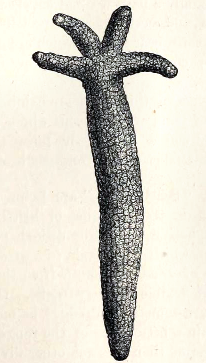
Echinoderm reproduction and pluteus larva
An echinoderm is any member of the phylum Echinodermata. The adults are recognisable by their (usually five-point) radial symmetry, and include starfish, brittle stars, sea urchins, sand dollars, and sea cucumbers, as well as the sea lilies or “stone lilies”. Adult echinoderms… Read more.
-
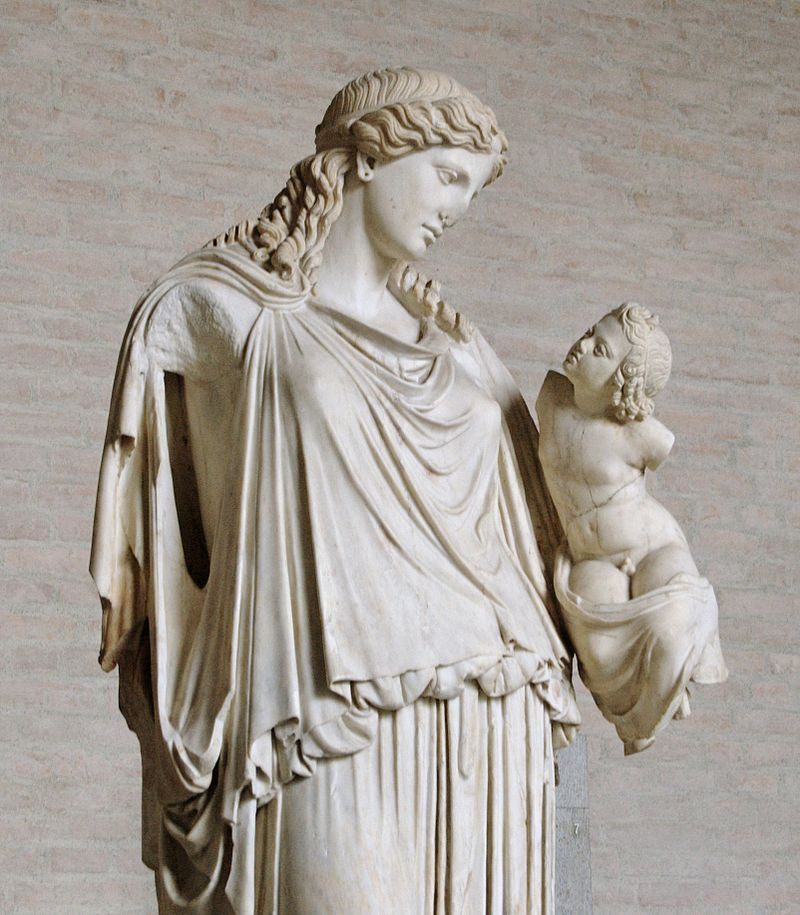
Plutus Notes
In ancient Greek religion and mythology, Plutus (Ploûtos, lit. “wealth”) is the god and the personification of wealth, and the son of the goddess of agriculture Demeter and the mortal Iasion. Family Plutus is most commonly the son of Demeter and Iasion, with whom she lay in a… Read more.
-
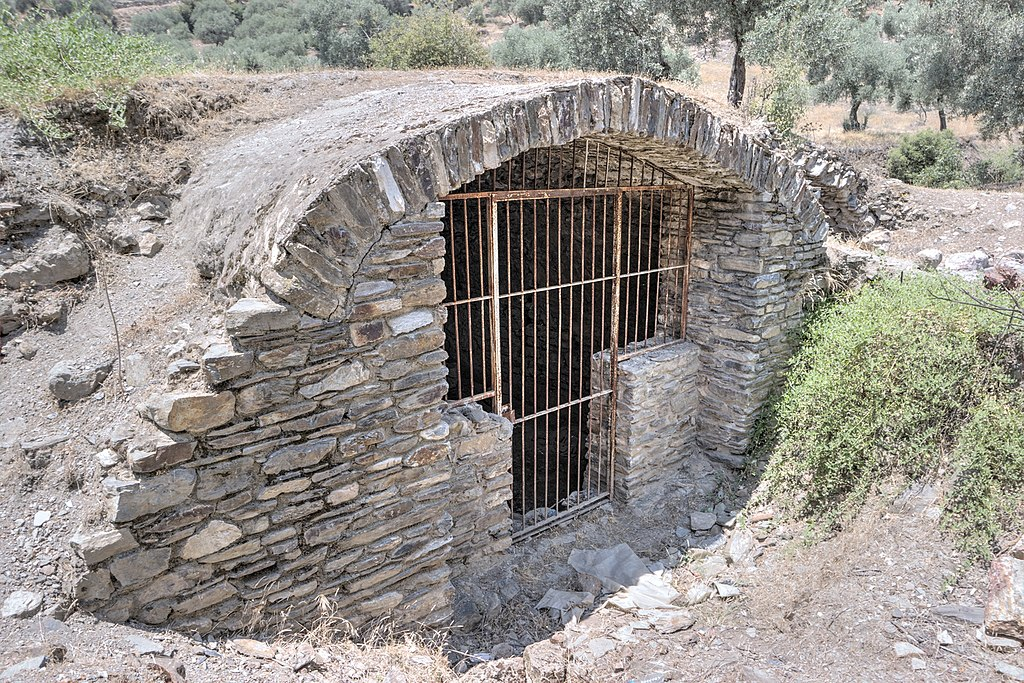
Acharaca was a village of ancient Lydia with a Ploutonion or a temple of Pluto and a cave named Charonium
Acharaca was a village of ancient Lydia, Anatolia on the road from Tralles (modern Aydın, Turkey) to Nysa on the Maeander, with a Ploutonion or a temple of Pluto, and a cave, named Charonium (Ancient Greek: Χαρώνειον άντρον), where the… Read more.