Plants
-
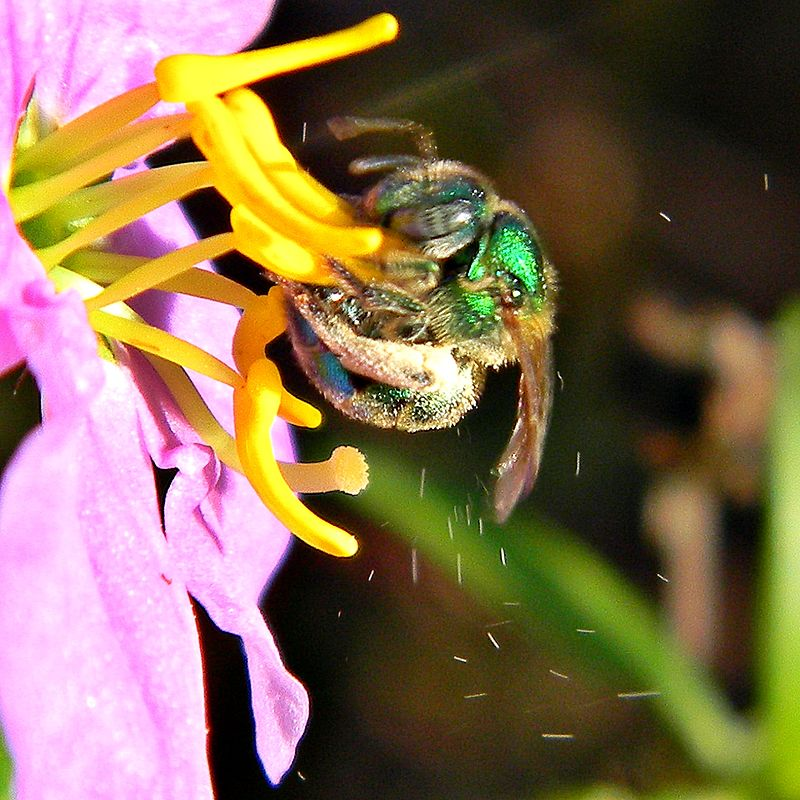
Buzz Pollination or Sonication
Buzz pollination or sonication is a technique used by some bees, such as solitary bees to release pollen which is more or less firmly held by the anthers. The anthers of buzz-pollinated plant species are typically tubular, with… Read more.
-
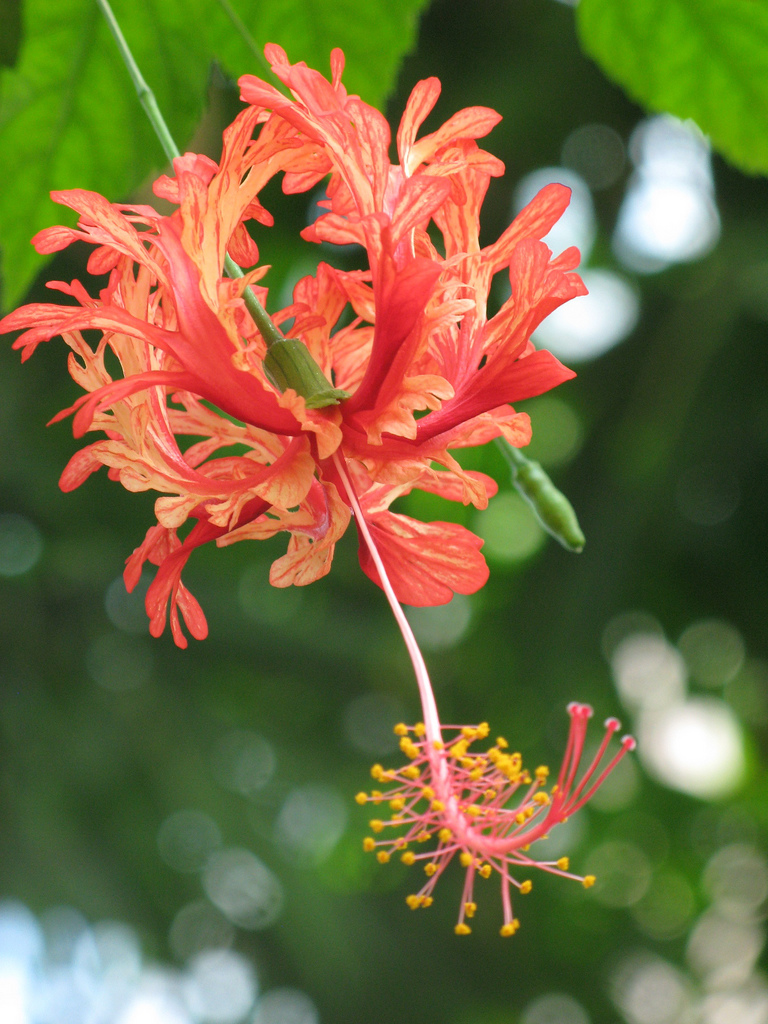
Hibiscus schizopetalus aka Japanese lantern is a species of Hibiscus
Hibiscus schizopetalus is a species of Hibiscus native to tropical eastern Africa in Kenya, Tanzania and Mozambique. Its common names include fringed rosemallow, Japanese lantern, coral hibiscus, and spider hibiscus. Description Hibiscus schizopetalus is a shrub growing to 3 metres (9.8 ft) tall. The red or pink flowers are… Read more.
-
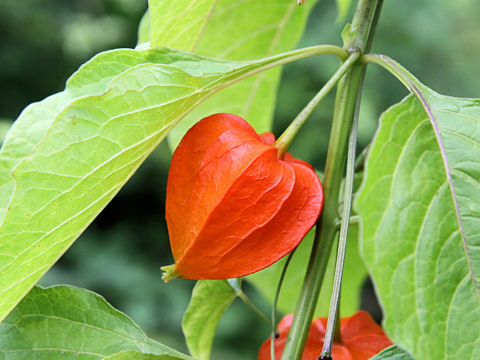
Alkekengi aka Chinese lantern is a species of flowering plant in the nightshade family
Scientific classification Kingdom: Plantae Clade: Tracheophytes Clade: Angiosperms Clade: Eudicots Clade: Asterids Order: Solanales Family: Solanaceae Subfamily: Solanoideae Tribe: Physaleae Genus: AlkekengiMill. Species: A. officinarum Binomial name Alkekengi officinarumMoench Alkekengi officinarum,… Read more.
-
herm. and Herm.
herm. is a botanical/zoological abbreviation for hermaphrodite, a sexually reproducing organism that produces both male and female gametes. Herm. following the name of a Christian saint denotes that the saint was a hermit Read more.
-
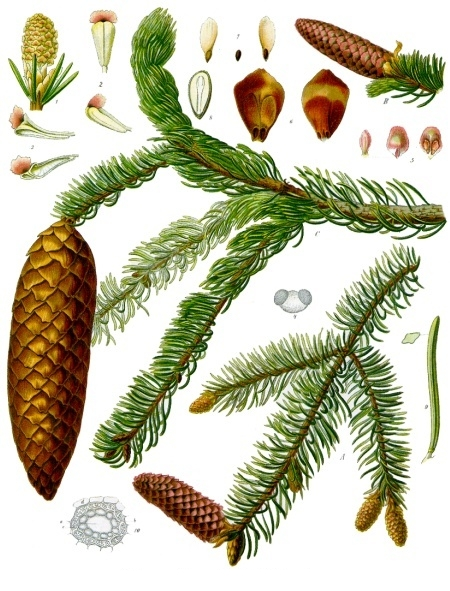
Piceol is a phenolic compound found in the needles and in mycorrhizal roots of Norway spruces and more
Piceol is a phenolic compound found in the needles and in mycorrhizal roots of Norway spruces (Picea abies). Picein is the glucoside of piceol. Pungenin is a also phenolic compound found in the needles of Blue Spruce (Picea pungens). It is… Read more.
-
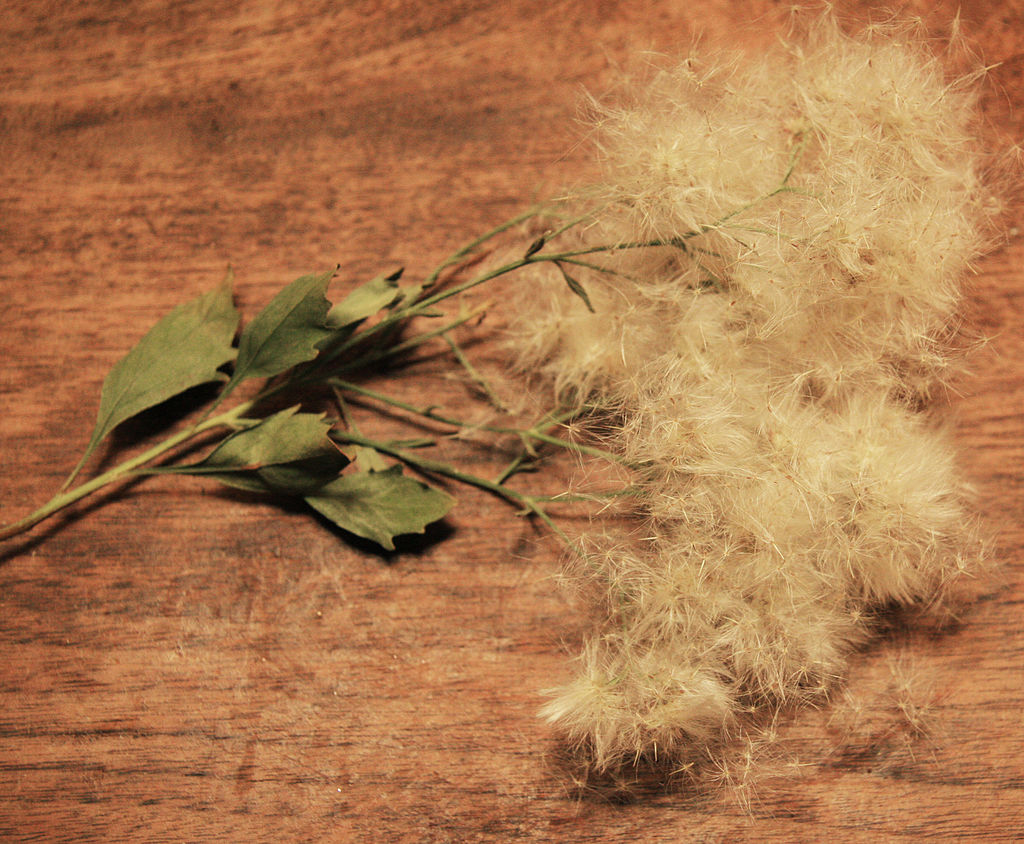
Baccharis is a genus of perennials and shrubs in the aster family (Asteraceae)
They are commonly known as baccharises but sometimes referred to as “brooms”, because many members have small thin leaves resembling the true brooms. They are not at all related to these however, but… Read more.
-
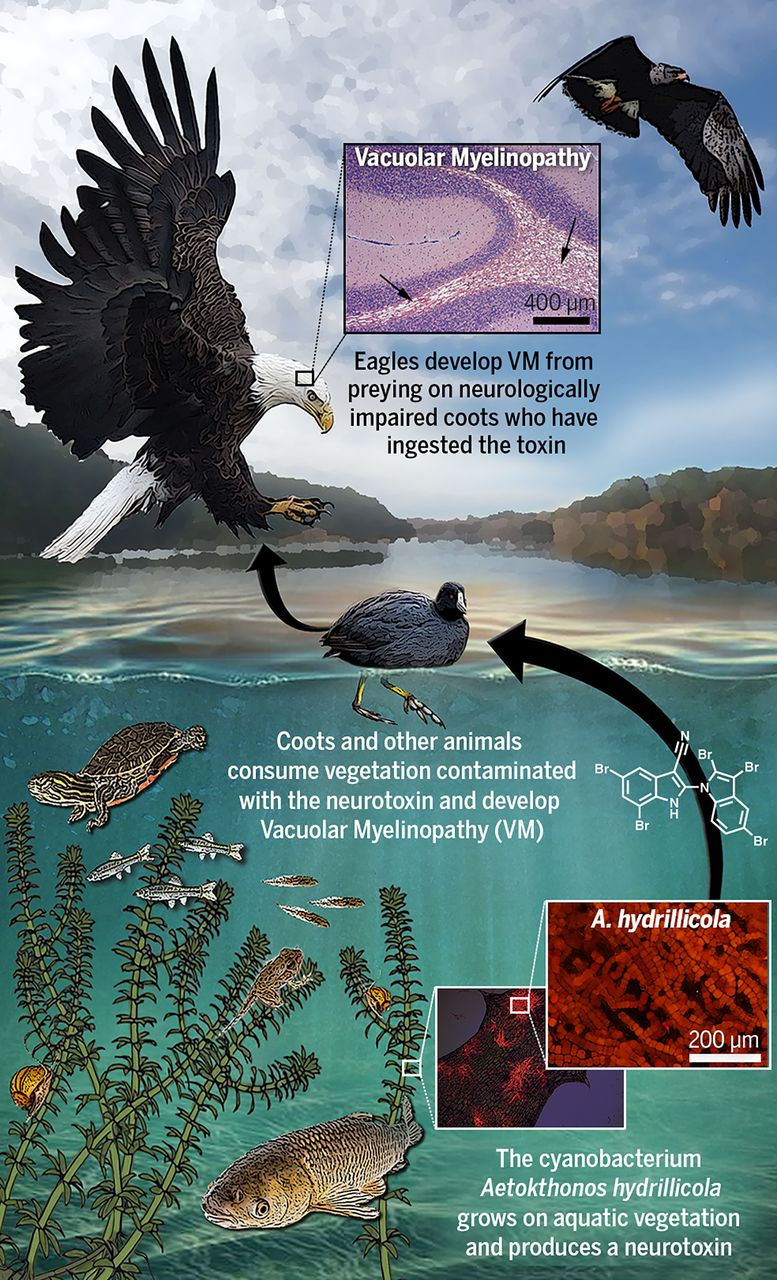
Aetokthonotoxin (AETX) aka ‘eagle toxin’ discovered in 2021
Aetokthonotoxin (AETX), colloquially ‘eagle toxin’, was discovered in 2021 as the cyanobacterial neurotoxin causing vacuolar myelinopathy (VM) in eagles in North America. Avian vacuolar myelinopathy (AVM) is a fatal neurological disease that affects various waterbirds and raptors. It is most common… Read more.
-
Cassava is used in a number of commercially available laundry products
Cassava is also used in a number of commercially available laundry products, especially as starch for shirts and other garments. Using cassava starch diluted in water and spraying it over fabrics… Read more.
-
Adrenaline has been isolated from the plant Scoparia dulcis found in Northern Vietnam
Scoparia dulcis is a species of flowering plant in the plantain family. Plantaginaceae, the plantain family, is a large, diverse family of flowering plants in the order Lamiales that includes common flowers such as snapdragon and foxglove. It is unrelated… Read more.
·
-
Phytoecdysteroids are plant-derived ecdysteroids
Phytoecdysteroids are plant-derived ecdysteroids. Phytoecdysteroids are a class of chemicals that plants synthesize for defense against phytophagous (plant eating) insects. These compounds are mimics of hormones used by arthropods in the molting… Read more.
·
-
Xylose is the main building block for the hemicellulose
Xylose is the main building block for the hemicellulose xylan, which comprises about 30% of some plants (birch for example), far less in others (spruce and pine have about 9% xylan). Xylose… Read more.
·
-
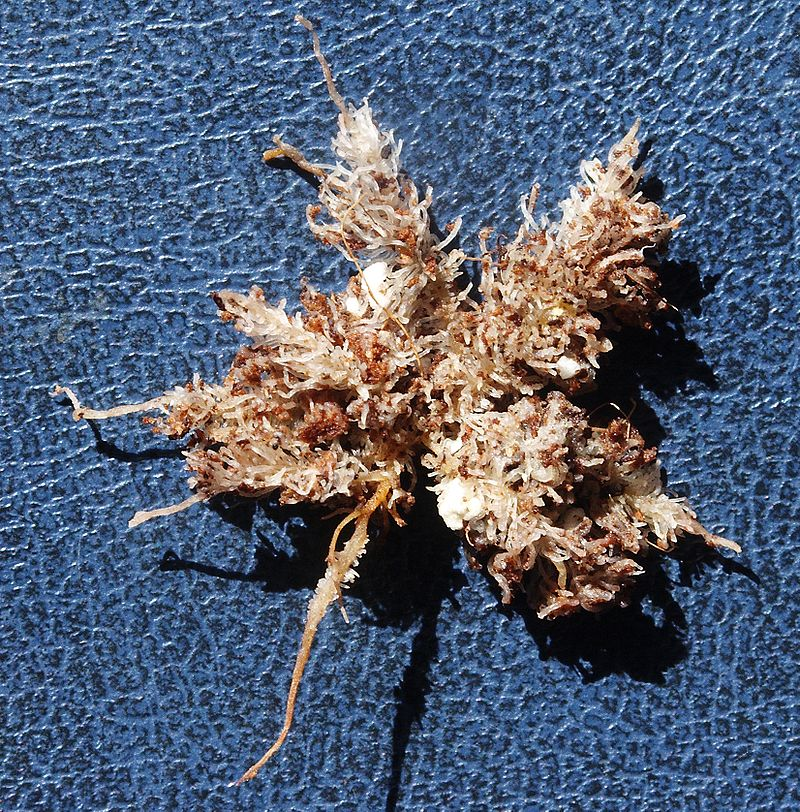
Cluster roots aka proteoid roots
Cluster roots, also known as proteoid roots, are plant roots that form clusters of closely spaced short lateral rootlets. They may form a two- to five-centimetre-thick mat just beneath the leaf litter. They enhance nutrient… Read more.

·